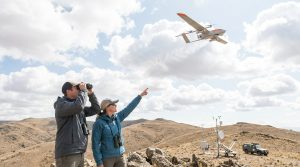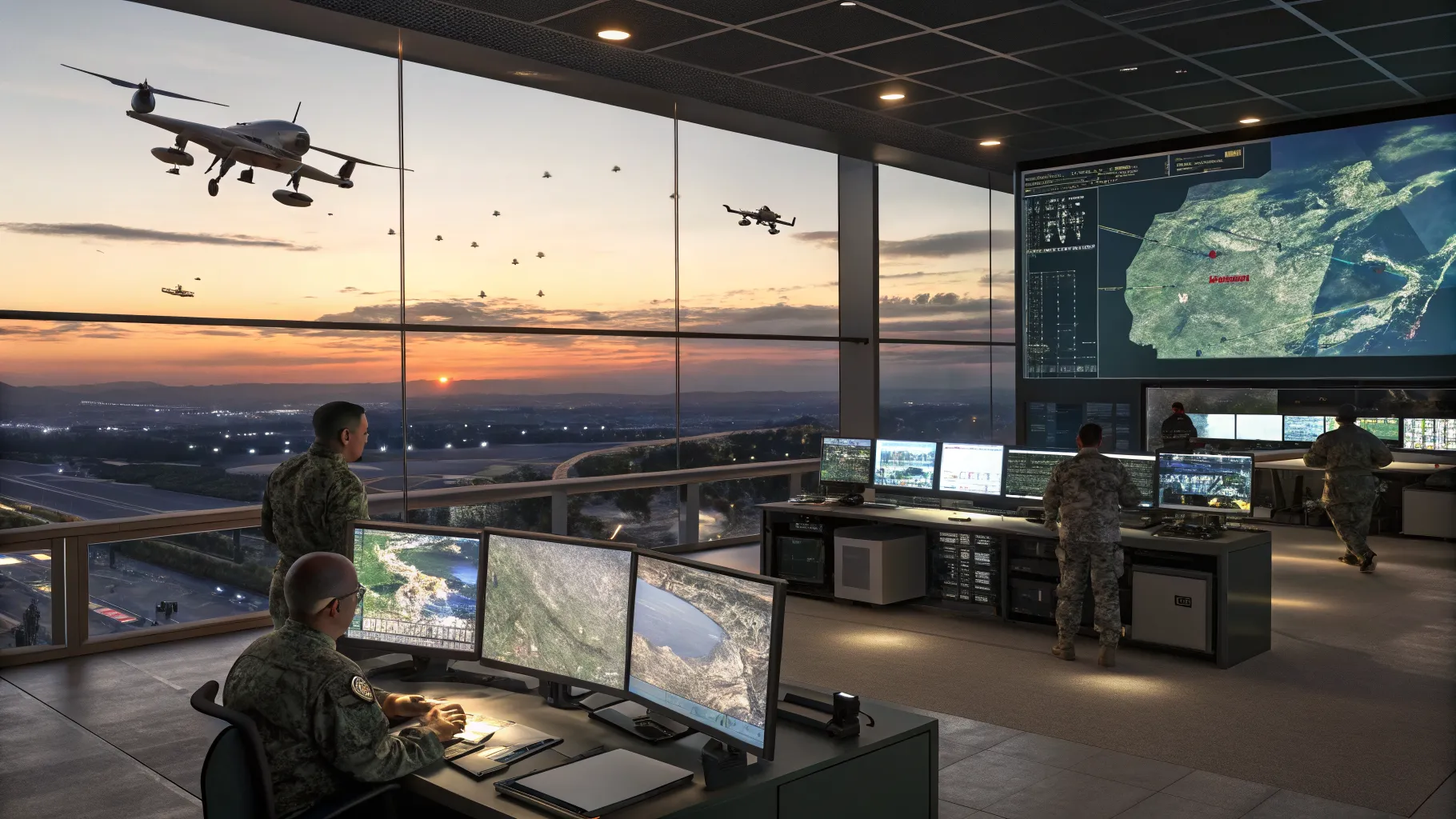
The head of U.S. Southern Command has announced a new autonomous warfare command that will use drones and other unmanned systems across Latin America. The move signals a shift in how the United States plans to track and counter regional threats, from illicit trafficking to maritime security. The command will coordinate technology, training, and partnerships to respond faster and with fewer personnel at risk.
U.S. Southern Command, known as SOUTHCOM, oversees military cooperation in Central and South America and the Caribbean. It often works with partner nations on counter-narcotics, humanitarian aid, and disaster response. The new command adds a tech-focused arm to those missions, aiming to speed data gathering and widen coverage over sea and land without constant human presence.
“SOUTHCOM’s top commander announced a first-of-its-kind autonomous warfare command focused on deploying drones and unmanned systems to counter regional threats across Latin America.”
What the New Command Will Do
The command is expected to coordinate air, sea, and land drones for surveillance and targeted operations. Unmanned aircraft can monitor long coastlines and remote border areas. Surface and undersea drones can patrol shipping lanes and river routes used by smugglers. Ground robots may support base security and logistics.
Officials have long argued that these tools reduce risk to service members and cut costs over time. They also extend patrol hours and improve detection. The new structure suggests a push to centralize planning and set common standards across units and partner nations.
Why It Matters for Latin America
Latin America faces shifting security challenges. Smuggling networks adapt routes through jungles, rivers, and coastlines. Illegal fishing harms coastal economies. Natural disasters strain already limited resources. Drones can map damage, find survivors, and track illegal activity faster than manned patrols.
For partner governments, access to shared imagery and training can improve border control and maritime awareness. It can also support environmental monitoring and search-and-rescue. Yet the expansion of unmanned systems raises questions about how data is shared and who directs missions in sovereign airspace and waters.
Legal and Ethical Questions
Autonomous and semi-autonomous systems demand clear rules of engagement. Lawyers and human rights groups often press for strict oversight when sensors and algorithms influence decisions. They also call for transparency on how targets are identified and how civilian risk is assessed.
Regional leaders may seek agreements on airspace use, data retention, and incident reporting. Congressional committees in the United States are likely to review funding, privacy safeguards, and compliance with international law. Public trust will depend on visible safeguards and accountability.
- Define human control in operations that use autonomous functions.
- Set data-sharing limits with partner nations.
- Create incident review processes with public summaries.
Regional and Industry Impact
The command could shape demand for small, long-endurance drones, maritime unmanned vehicles, and secure communications. U.S. and regional firms may see new contracts for sensors, counter-drone systems, and training services. Universities and labs in the hemisphere could partner on disaster response tools and environmental mapping.
At the same time, adversaries may adapt with low-cost countermeasures, jamming, or spoofing. That suggests a parallel push for encrypted links, resilient navigation, and backup procedures if signals fail. The use of unmanned systems by criminal groups has grown, making counter-drone defenses part of the picture.
What to Watch Next
Key indicators will include the command’s leadership team, budget lines in the next defense cycle, and the scope of pilot programs. Early missions may focus on maritime domain awareness and joint exercises with coastal states. Clear communication with regional partners will be essential to avoid airspace conflicts and to align on evidence handling in criminal cases.
Success will hinge on training, data governance, and cooperation. Measurable outcomes—such as interdictions at sea, faster disaster assessments, and fewer accidents—will show whether the new structure delivers.
The announcement marks a strategic bet on unmanned systems for a vast theater with complex terrain. If the safeguards match the ambition, the command could improve safety and speed for missions that span borders and coastlines. If not, it may face legal friction and political pushback. Watch for early exercise results, transparency on oversight, and how partner nations shape the rules of the road.

Rashan is a seasoned technology journalist and visionary leader serving as the Editor-in-Chief of DevX.com, a leading online publication focused on software development, programming languages, and emerging technologies. With his deep expertise in the tech industry and her passion for empowering developers, Rashan has transformed DevX.com into a vibrant hub of knowledge and innovation. Reach out to Rashan at [email protected]