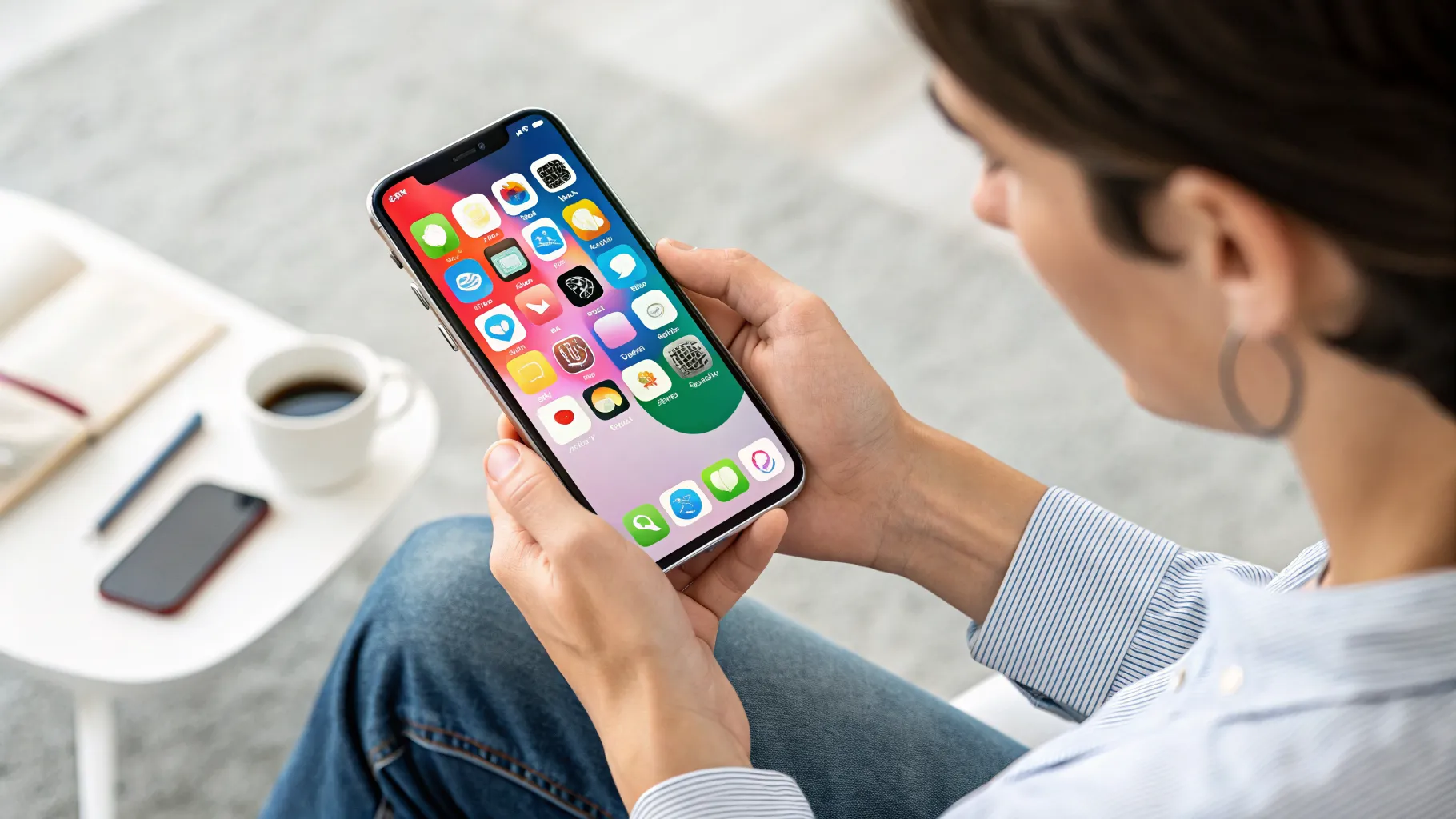
Apple is moving to suggest apps based on what people download and how they use their devices, signaling a shift in how the App Store surfaces software to iPhone and iPad users. The change, previewed this week, aims to improve discovery while raising fresh questions about privacy and competition.
The update will affect users worldwide through the App Store, where Apple already curates featured apps and top charts. The new approach leans on personal patterns to tailor suggestions, which may help smaller developers get noticed and help users find tools faster.
“Apple will now recommend apps based on your downloads and behavior.”
Why Discovery Matters on the App Store
Since launching in 2008, the App Store has grown to more than a million titles, making discovery a challenge for both users and developers. Apple has relied on editor picks, categories, search, and paid placements to guide people. Personalized suggestions could reduce the time it takes to find relevant apps and keep users engaged with the ecosystem.
Apple has stressed privacy in recent years, rolling out App Tracking Transparency (ATT) in 2021 to limit tracking across apps and websites. The company has also promoted on-device processing and techniques like differential privacy to minimize data sharing. How those principles apply to new recommendations will shape public response.
How the Recommendations Could Work
Apple did not publish technical details, but behavior-based recommendations often use signals such as install history, session length, categories browsed, and in-app engagement patterns. Using these signals on the device could reduce data sent to servers.
- Signals: Prior downloads, app categories, and usage patterns.
- Location: Likely on-device analysis, given Apple’s privacy stance.
- Placement: App Store home, search suggestions, and “You Might Like” sections.
If implemented carefully, the system could surface niche productivity tools to users who install many note-taking apps or suggest fitness apps to those who try several wellness titles. The risk is that popular categories get even more attention while others fade.
Privacy, Control, and Transparency
Privacy remains the focal point. Users will look for clear settings to manage personalization, the ability to opt out, and plain-language explanations of what “behavior” includes. Apple’s past design choices suggest there will be controls within Settings and the App Store profile.
Regulatory pressure is rising too. In Europe, the Digital Markets Act pushes gatekeepers to offer fair access and clear data practices. Apple’s recommendation system will face scrutiny over whether it favors Apple’s own apps or paid placements and how data is used to rank results.
Consumer trust may hinge on three safeguards: on-device processing for sensitive signals, limited retention of usage data, and visible labels showing why an app is being recommended.
Impact on Developers and Competition
For developers, behavior-based ranking could reshuffle visibility. Apps that convert well and keep users engaged may climb more often in suggested lists, while those with low retention could slip. Independent teams might benefit if quality and relevance matter more than ad budgets.
At the same time, larger publishers with broad portfolios could gain from cross-promotion effects. If a user installs one app from a major brand, similar titles from the same publisher might appear higher, raising concerns about market concentration.
Marketers may adjust strategies around first-time user experience, onboarding, and feature engagement, since those signals could influence how often the App Store recommends the app next.
What to Watch Next
Users should expect more tailored rows and suggestions in the App Store in the coming weeks. Apple will be judged on how easy it is to turn personalization on or off and how transparent it is about data handling.
- For users: Check recommendation settings, review privacy controls, and watch for “Why this app?” labels.
- For developers: Track changes in browse and search traffic sources, retention, and paid vs. organic installs.
- For regulators: Monitor for self-preferencing and data use that affects fair access.
Apple’s step into behavior-based suggestions could make the App Store feel more helpful and save time for many users. The benefits will depend on clear controls, privacy-safe design, and fair treatment for all apps. The company’s execution—and the transparency that comes with it—will decide whether this shift wins trust or invites pushback.

Senior Software Engineer with a passion for building practical, user-centric applications. He specializes in full-stack development with a strong focus on crafting elegant, performant interfaces and scalable backend solutions. With experience leading teams and delivering robust, end-to-end products, he thrives on solving complex problems through clean and efficient code.