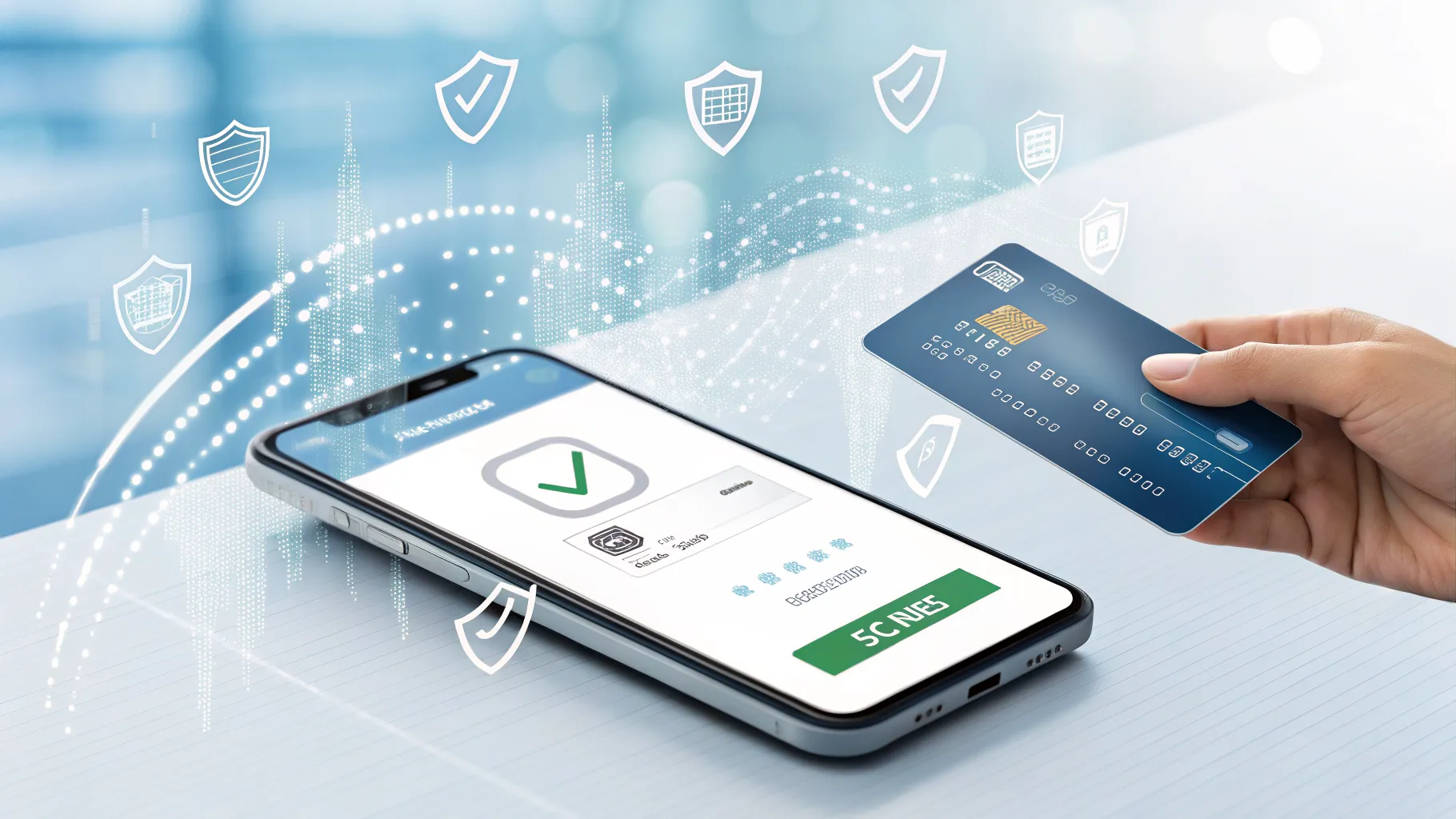
Mastercard is leaning on artificial intelligence to catch suspicious payments as they happen, adding fresh tools to a fight that affects banks, merchants, and shoppers worldwide. The company says its system weighs risk and reads how people interact with their devices to spot signs of fraud in real time.
The effort centers on two techniques: risk-scoring and behavioral biometrics. Together they aim to reduce stolen-card use, account takeovers, and false declines. The approach reflects a broader push in payments to balance speed, security, and privacy as digital commerce grows.
How the System Works
“Mastercard’s AI-powered fraud detection system uses risk-scoring and behavioral biometrics to help identify suspicious transactions.”
Risk-scoring assigns a probability that a transaction is fraudulent. It weighs signals such as device data, merchant history, location, and past behavior. High-risk scores can trigger step-up checks or blocks.
Behavioral biometrics adds another layer. Instead of relying on a fingerprint or face scan, it studies patterns such as typing rhythm, how a phone is held, or how a screen is swiped. These subtle cues can help tell a genuine user from a fraudster using stolen data.
By pairing these methods, the system aims to catch more fraud while reducing friction for legitimate customers. That balance is essential for merchants who fear lost sales from unnecessary declines.
Why It Matters Now
Online spending continues to rise, and so does the value of stolen credentials on criminal markets. Attackers mix phishing, malware, and social tricks to take over accounts. They also test small purchases before trying larger ones. Static defenses struggle to keep up.
AI models can learn from fresh data and adapt to new tactics. They scan patterns at scale, flagging anomalies faster than manual review. For payment networks, every millisecond counts. Delays can lead to checkout abandonment, while weak filters invite losses.
Balancing Security, Convenience, and Privacy
Security tools must respect user rights and local rules. Behavioral biometrics raise clear questions. The data is often anonymized and used to create a risk profile, not to identify a person by name. Even so, companies must explain what is collected and why.
Regulators in regions such as the EU have set standards for strong customer authentication. In practice, that means combining factors like knowledge, possession, and inherence. Behavioral signals may help confirm inherence in the background, cutting the need for extra steps.
Banks and merchants still need clear consent flows and options to opt out where required. Transparency helps build trust and reduce complaints when transactions are challenged.
Impact on Banks and Merchants
Banks seek lower fraud losses and fewer chargebacks. Merchants want approval rates to rise without extra friction. AI-based scoring can support both goals if tuned well.
- Fewer false positives can lift approval rates and sales.
- Better detection can cut chargeback costs and disputes.
- Adaptive models can catch new fraud patterns faster.
The risk is model drift or bias if data shifts or contains gaps. Ongoing testing, human review, and feedback loops help keep systems accurate. Merchants also need clear processes to challenge decisions and recover wrongly declined orders.
Expert Views and Industry Trends
Security analysts widely agree that layered defenses work best. Passwords alone are weak. Device checks, behavior signals, and transaction scoring add strength without heavy friction for most users.
Payment networks, issuers, and fintech firms are converging on similar methods. Some are pairing AI with tokenization, network-level analytics, and shared threat feeds. The goal is to stop fraud upstream, before it hits a cardholder’s statement.
Consumer groups urge safeguards for privacy and due process. They want clear notices, easy dispute paths, and guardrails against unfair blocking. Industry groups say education also matters. Shoppers who spot phishing early reduce risk for everyone.
What to Watch Next
As fraud tactics evolve, systems will need fresh data and better signals. Expect more focus on account protection, not just payment events. Login checks, session risk, and mule account detection are rising priorities.
Cross-border commerce adds complexity. Models must adjust to local patterns, currencies, and rules. Partnerships between banks, networks, and merchants will shape results.
For now, Mastercard’s use of AI, risk-scoring, and behavioral biometrics points to a broader shift in payments security. The tools aim to reduce fraud while keeping checkouts swift.
The key test will be measurable outcomes: fewer losses, higher approval rates, and a smoother experience for legitimate customers. Clear privacy practices and strong oversight will determine how widely these methods gain acceptance over time.
Related Articles

A seasoned technology executive with a proven record of developing and executing innovative strategies to scale high-growth SaaS platforms and enterprise solutions. As a hands-on CTO and systems architect, he combines technical excellence with visionary leadership to drive organizational success.