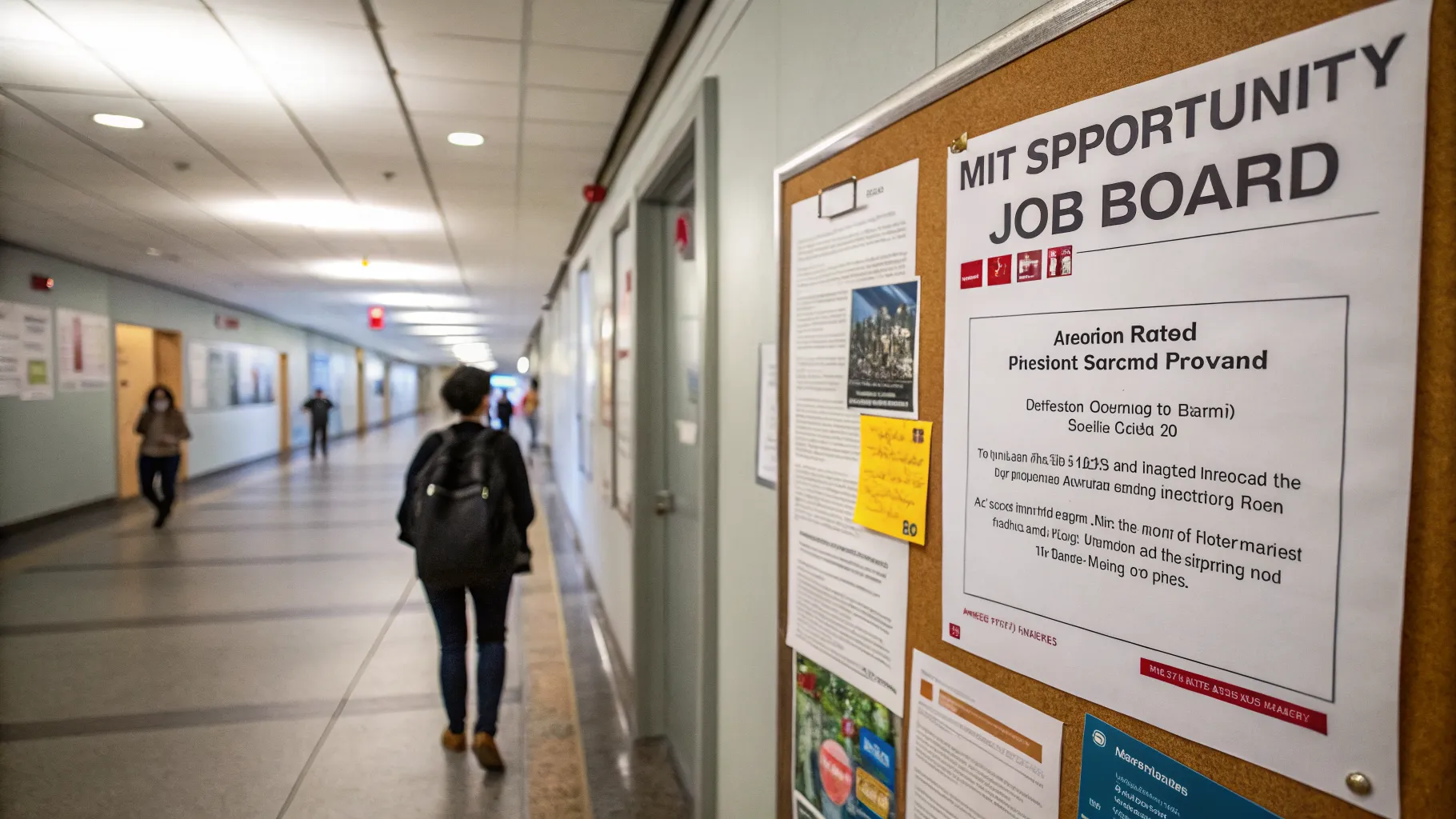
Spotted on a public job board, a brief notice set one early-career scholar in motion: Sojun Park saw an opening for the Postdoctoral Associate Program at the MIT Center for International Studies and decided to apply. The posting, open to candidates worldwide, reflects a growing push in academia to widen access to postdoctoral paths. It also signals the competition and high stakes facing new Ph.D. graduates looking for time, funding, and mentorship to launch independent research.
Opening Doors Through Public Postings
Postdoctoral associate roles often serve as a bridge between doctoral training and faculty or policy work. Programs tied to international studies attract applicants across political science, economics, history, security studies, and regional research. Public postings help put such roles within reach for candidates who do not have insider networks or word-of-mouth access.
In the last decade, universities have increased the use of centralized posting platforms for research appointments. Transparent listings are designed to support fair review and larger applicant pools. They also help candidates compare program features such as length, salary, teaching load, and mentorship, which can vary widely across institutions.
What Candidates Seek in Postdoctoral Roles
Early-career scholars often look for three things: protected time to write, access to data or archives, and a mentor who can support publication and job market goals. A center focused on international studies may also offer connections to policy forums, visiting diplomats, and seminars that test research against real-world needs.
- Dedicated research time with limited teaching or administrative duties
- Mentorship for publishing and grant writing
- Access to workshops, seminars, and policy networks
Competitive programs tend to pair fellows with senior scholars working on aligned topics. They may also provide seed funding for fieldwork, translation, or data collection. Clear expectations for outputs—such as a book manuscript chapter or journal submissions—help candidates plan their year or two on the fellowship.
A Moment of Decision
“When Sojun Park came across a public posting about the Postdoctoral Associate Program at the MIT Center for International Studies, he took a chance and applied.”
That decision reflects a common pattern for new Ph.D.s who scan university portals and professional associations for opportunities with a close research fit. The most effective applications tend to show how a project complements a center’s themes and how a fellow can add value to workshops, student engagement, or collaborative grants.
What Programs Expect in Return
Host centers look for candidates who can finish manuscripts, present work-in-progress, and contribute to a research community. Fit matters. A strong proposal clarifies scope, methods, and a plan for feasible outputs within the fellowship period. Letters of reference that speak to independence and teamwork can carry weight alongside the publication record.
Many centers also weigh public engagement. Scholars able to brief policymakers, write op-eds, or share data tools can extend the center’s reach. For programs tied to international security or development, ethics and data access plans are routine parts of the review.
Equity, Access, and the Applicant Pool
Public postings support a wider set of applicants, including first-generation scholars and those outside elite networks. Clear criteria and deadlines help reduce guesswork about fit. Virtual information sessions and open office hours have become common tools to answer questions about eligibility, visas, and mentorship before candidates apply.
Still, demand often far exceeds supply. Candidates face trade-offs on geography, cost of living, and visa timelines. Programs try to address these issues with transparent pay scales, relocation guidance, and structured onboarding, but constraints remain, especially in high-cost cities.
Preparing a Competitive Application
Advisers often recommend that candidates tailor materials to the center’s focus and show how their work connects with ongoing projects or labs. Strong applications usually include:
- A concise research statement with a clear question and plan
- Evidence of progress, such as draft chapters or data
- A timeline for publications during the fellowship
- Brief statements on teaching or mentoring, if required
Applicants also benefit from contacting potential mentors with a short, specific note about shared interests, while respecting stated communication policies in the posting.
What to Watch Next
As hiring cycles tighten, centers are refining selection processes and timelines to give candidates faster answers. Many are also publishing detailed FAQs about funding, benefits, and expectations to improve clarity. For candidates, the trend of public, detailed postings means more equal footing at the outset, but it also means higher competition and a premium on precise proposals.
Park’s decision to apply speaks to a simple truth in academia: clear information invites action. Whether he advances or not, the process highlights how transparent listings help match research ideas with the places built to test them. The next phase will hinge on how programs sustain openness, expand mentoring, and give fellows the time and tools to turn promising projects into published work. Readers should watch for tighter timelines, clearer evaluation rubrics, and more structured support—signals that the postdoctoral track is becoming easier to navigate and more effective for both scholars and host institutions.

A seasoned technology executive with a proven record of developing and executing innovative strategies to scale high-growth SaaS platforms and enterprise solutions. As a hands-on CTO and systems architect, he combines technical excellence with visionary leadership to drive organizational success.