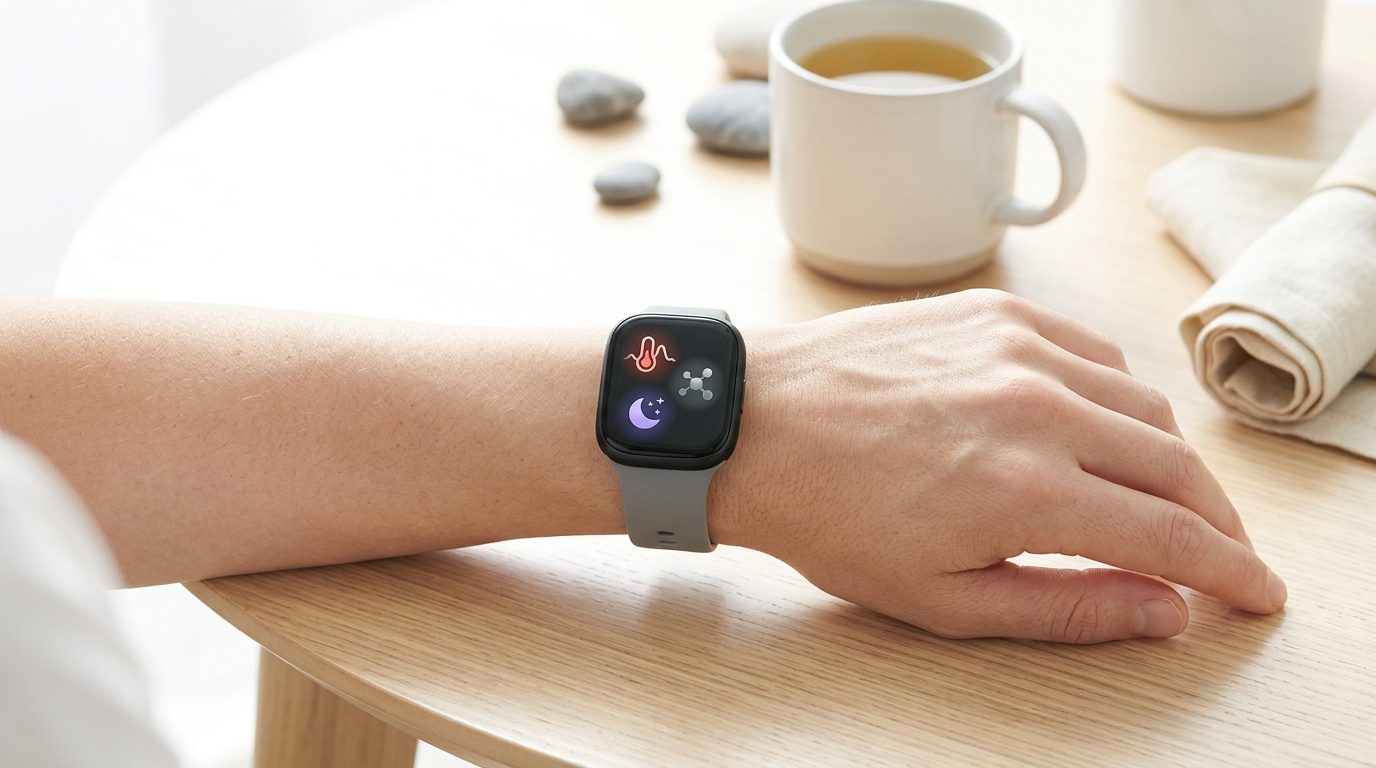
A new smartwatch starting at $399 will track blood pressure patterns and signs linked to insulin resistance, adding two major health measures to wearable technology. The device will also offer personalized guidance and improved sleep tracking, placing a stronger focus on long-term health trends.
The expanded features could help users notice changes earlier and discuss them with medical professionals. However, the watch should support medical care rather than replace clinical tests, diagnosis, or treatment.
Blood Pressure Moves to the Wrist
Blood pressure is an important measure of heart health. High blood pressure often has no clear symptoms, yet it can increase the risk of heart disease and stroke.
Traditional readings use an inflatable cuff around the upper arm. A smartwatch may provide more frequent information during daily life, depending on how its system works and how accurately it performs.
The smartwatch “can track blood pressure patterns and insulin resistance,” according to its product description.
The word patterns matters. It suggests the watch may focus on changes over time instead of providing the same type of measurement produced during a medical appointment. Users will need clear instructions about what the readings mean.
Accuracy may also vary with movement, fit, skin contact, and device calibration. Independent testing and regulatory details will be important when judging whether the feature can inform health decisions.
Insulin Resistance Tracking Adds New Focus
Insulin resistance occurs when the body does not respond well to insulin, a hormone that helps control blood sugar. It can be associated with prediabetes, type 2 diabetes, and other metabolic conditions.
Monitoring related signals from a wrist device could make metabolic health more visible to consumers. Yet insulin resistance is usually assessed through medical history, physical examination, and laboratory testing.
The available product information does not explain whether the watch measures insulin resistance directly or estimates risk from other health data. That distinction will affect how consumers and clinicians interpret its results.
- The starting price is $399.
- Blood pressure pattern tracking is included.
- Insulin resistance monitoring is planned.
- Personalized health assistance will be offered.
- Sleep tracking has been improved.
Personal Advice Raises Privacy Questions
Personalized help may turn raw readings into practical suggestions. For example, the watch could identify repeated sleep disruption or changes in cardiovascular patterns and encourage healthier routines.
Useful advice depends on reliable data and clear limits. Poorly explained alerts could create anxiety, while missed warnings could give users false reassurance. The product maker will need to show how recommendations are created and when users should seek professional care.
Health information also carries privacy risks. Blood pressure, sleep, and metabolic data can reveal sensitive details about a person’s condition. Buyers should review how data is stored, shared, deleted, and protected.
Sleep Remains a Core Wearable Feature
Better sleep tracking may appeal to a wider audience than the newer medical functions. Smartwatches commonly estimate sleep duration and stages through movement and heart-related signals.
Improved analysis could help users connect sleep habits with other trends. Still, wrist-based estimates are not equal to a clinical sleep study. Consumers should treat them as guidance, especially when symptoms such as severe fatigue or breathing problems persist.
At $399, the smartwatch is positioned as both a consumer device and a health management tool. Its value will depend on accuracy, clear explanations, privacy safeguards, and evidence that its recommendations help users. Future testing should show whether the new measurements provide dependable insight or mainly serve as general wellness indicators.

Deanna Ritchie is a managing editor at DevX. She has a degree in English Literature. She has written 2000+ articles on getting out of debt and mastering your finances. She has edited over 60,000 articles in her life. She has a passion for helping writers inspire others through their words. Deanna has also been an editor at Entrepreneur Magazine and ReadWrite.