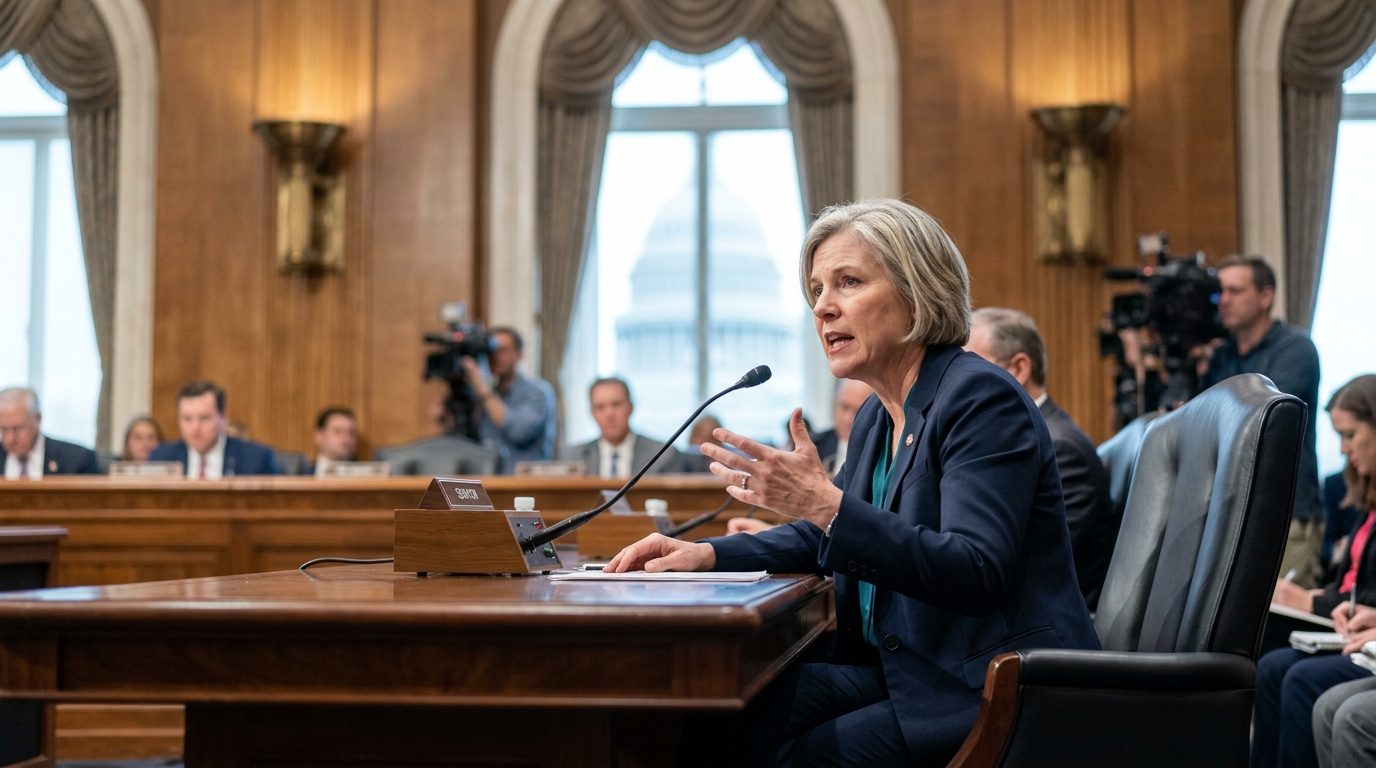
Washington state’s senior senator is warning that Congress has “lost three years” on independent safety testing for frontier artificial intelligence models. The criticism follows recent security breaches and growing concern across the technology industry.
The warning places federal oversight back at the center of the AI debate. Powerful models are reaching businesses and consumers faster than lawmakers are setting testing standards.
Independent Testing Remains the Core Demand
Frontier AI generally refers to the most capable general-purpose systems under development. These models can generate text, software code, images, and other content. Their broad abilities also create risks that may not appear during routine product reviews.
Independent testing would allow outside specialists to examine a model before or after release. Reviews could assess cybersecurity weaknesses, harmful outputs, misuse risks, and safeguards against unauthorized access.
Congress has “lost three years” on independent safety testing for frontier AI models, Washington state’s senior senator said.
The statement suggests lawmakers missed a period when voluntary testing practices could have been turned into clear national rules. Without federal requirements, companies may use different methods and disclose different levels of detail.
Supporters of mandatory reviews argue that developers should not be the sole judges of their systems. They say outside examiners can identify problems that internal teams overlook or have little incentive to publicize.
Breaches Increase Pressure on Lawmakers
Recent security breaches have added urgency to the issue. Advanced AI systems may contain sensitive training information, proprietary methods, safety controls, or access to connected tools.
A breach can expose more than customer data. It may also reveal how a model can be manipulated, copied, or used to support cyberattacks. That risk grows as models gain wider access to workplace systems.
Independent assessments could examine several areas:
- Protection against model theft and unauthorized access
- Resistance to prompts designed to bypass safeguards
- Controls for dangerous biological or cyber guidance
- Incident reporting and response procedures
Industry alarms do not point to one simple remedy. Testing can expose weaknesses, but it cannot remove every risk. Reviews also become outdated as companies update models, add tools, or change how systems are deployed.
Congress Faces Difficult Policy Choices
Lawmakers must decide which models require added scrutiny and who should conduct the tests. A broad rule could burden smaller developers. A narrow rule might miss systems that become dangerous after release or modification.
Another question concerns access. Evaluators may need technical details that companies consider trade secrets. Federal policy would need to protect confidential information while giving reviewers enough access to conduct credible tests.
Developers may also worry that strict domestic rules could slow American firms while overseas competitors face fewer limits. Safety advocates counter that security failures could cause greater economic damage and weaken public trust.
A workable system may require testing standards based on a model’s capabilities, intended use, and access to sensitive tools. It may also require repeated reviews rather than a single check before launch.
Delay Could Make Oversight Harder
The senator’s three-year criticism reflects a wider concern about the speed of federal action. AI systems can change within months, while legislation often takes years to negotiate and implement.
Congress now faces pressure to define independent evaluation, set reporting duties, and establish consequences for serious safety failures. Agencies would also need staff with enough technical skill to enforce any new rules.
The central issue is no longer whether frontier AI should be tested. The dispute concerns who performs that work, what standards apply, and whether participation should be voluntary. Future breaches, proposed legislation, and industry cooperation will show whether Washington can recover the time the senator says it lost.

Kirstie a technology news reporter at DevX. She reports on emerging technologies and startups waiting to skyrocket.