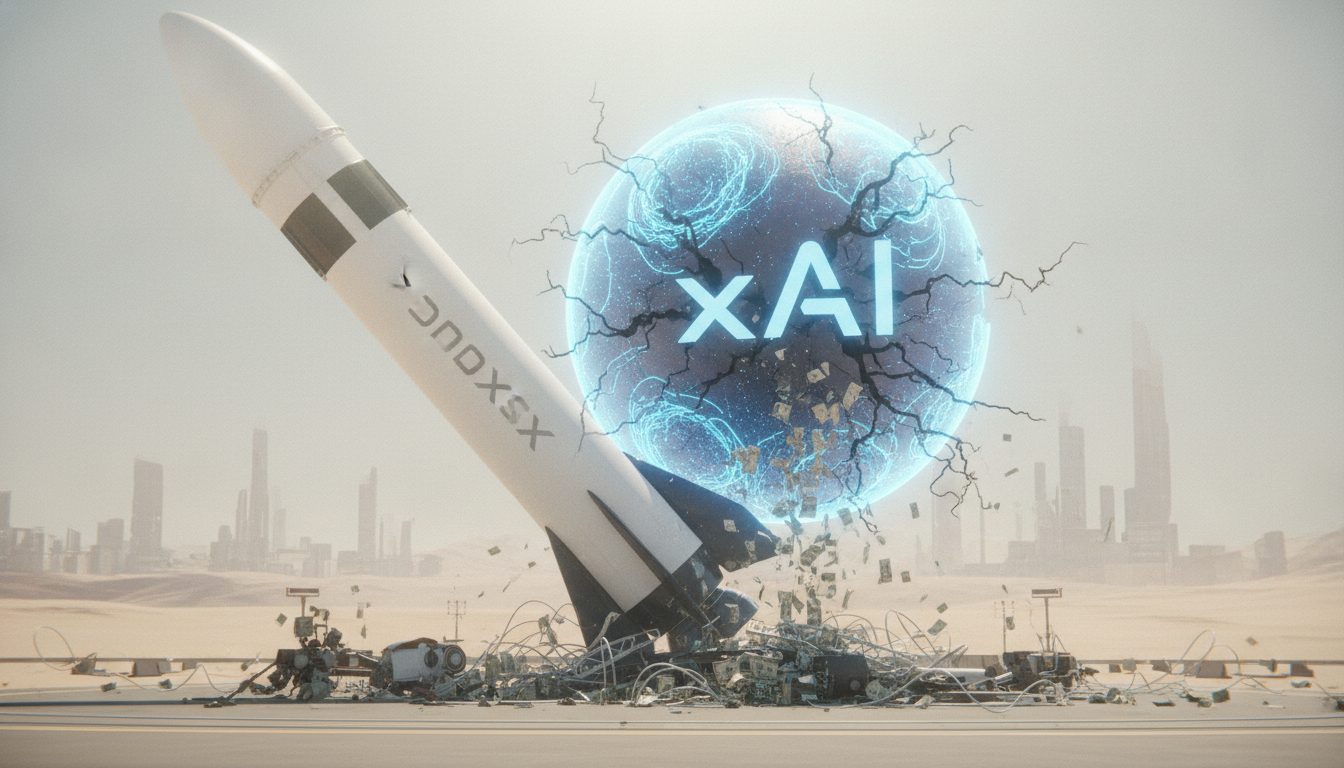
SpaceX has recorded multibillion-dollar losses in recent years after merging with Elon Musk’s artificial intelligence startup, xAI, raising fresh questions about the strategy and finances behind two of the most watched private companies in technology and space.
The disclosure points to a bold bet on artificial intelligence inside a company known for reliable launch services and an expanding satellite network. It also spotlights the cost of building AI products and the challenge of blending a capital-intensive space business with an equally demanding software effort.
“SpaceX, a leader in rocket launches, lost billions of dollars in recent years after a merger with Musk’s artificial intelligence venture, xAI.”
Why This Matters Now
SpaceX has become a key supplier of commercial and government launches. It flies frequently and has reshaped pricing with reusable rockets. The company also operates Starlink, a growing internet service delivered via satellites.
xAI, launched by Musk, is developing AI models and products. Training large models requires expensive chips, data centers, and top engineering talent. Those costs often arrive before clear revenue.
The combination links a cash-hungry space program with an AI push that also burns cash. That can amplify short-term losses even if leaders see long-term gains.
What Could Be Driving the Losses
Integrating two distinct companies is complex. Mergers often bring overlapping costs, new systems to build, and competing priorities. In this case, hardware-heavy space projects meet rapid software cycles.
- Capital spending on rockets, spacecraft, and launch sites remains high.
- AI training needs costly chips, data centers, and power.
- Hiring and retention of engineers in both fields drives expenses.
- Product timelines in space and AI can be long and uncertain.
Even with frequent launches and Starlink growth, near-term cash flow may not offset an AI buildout. The result is a larger, more ambitious company with higher burn.
Potential Upside and Strategic Rationale
Supporters of the merger may see clear benefits. AI can improve mission planning, spacecraft autonomy, and satellite network management. It could also help with supply chains, manufacturing yield, and launch scheduling.
For xAI, access to real-world data and hard engineering problems can sharpen model performance. It may open new products for aviation, maritime tracking, or remote sensing that link with Starlink.
If those synergies materialize, the merged entity could build differentiated services that competitors find hard to match. That path, however, takes time and steady funding.
Concerns From Investors and Partners
Some investors may worry about governance and focus. Space operations require disciplined safety culture and predictable execution. AI ventures often move fast and iterate in public.
Customers, including government agencies and commercial satellite operators, prize reliability. They may look for signs that launch cadence, mission safety, and service quality remain steady.
The merger could also draw questions from creditors and prospective investors about capital needs and reporting clarity for two very different lines of business.
Context From Recent Industry Trends
Private space firms have relied on patient capital to reach scale. Many have shifted from pure R&D to revenue with launch services and satellite data. Even so, heavy investment continues.
AI companies, meanwhile, have spent aggressively on chips and cloud infrastructure. Several leading firms have disclosed large operating losses as they train and deploy models before monetization catches up.
The situation at the combined SpaceX–xAI mirrors those twin pressures. It blends the cost curves of rockets and data centers at the same time.
What To Watch Next
Key signals in the months ahead include launch performance, Starlink subscriber growth, and any new AI-enabled services. Funding events or secondary share sales could hint at investor appetite.
Partnerships with chip suppliers, utilities, or data center operators would suggest a plan to manage AI costs. Clear reporting on how AI improves space operations could reassure customers.
The disclosure of heavy losses sets a sober tone for the merged company. The strategy ties SpaceX’s scale to xAI’s ambitions, but it carries financial risk. The next phase will test whether promised gains in autonomy, efficiency, and new services can offset the cash demands. For now, investors and partners will look for steady launches, stronger unit economics at Starlink, and early AI products that pay their way.

Deanna Ritchie is a managing editor at DevX. She has a degree in English Literature. She has written 2000+ articles on getting out of debt and mastering your finances. She has edited over 60,000 articles in her life. She has a passion for helping writers inspire others through their words. Deanna has also been an editor at Entrepreneur Magazine and ReadWrite.