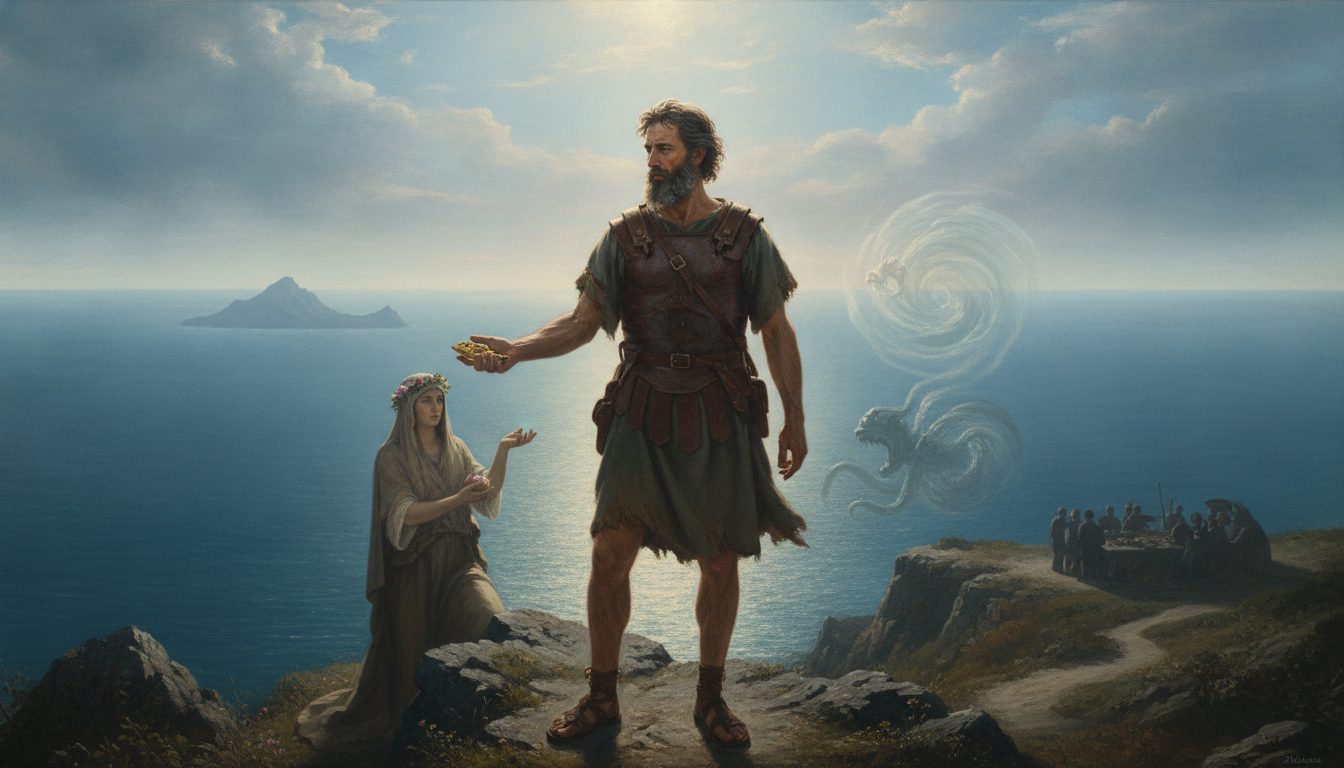
A fresh cultural debate has surfaced around Homer’s Odyssey, as columnist Zoe Williams questions the long delay in Odysseus’s return to Ithaca. The comment revives a classic puzzle, pressing readers to weigh myth, memory, and motive. It also tests how modern audiences read loyalty and time in ancient texts.
At the heart of the discussion is a simple prompt: if Odysseus did not spend years with the nymph Calypso and others, what kept him? The question lands in a moment when new translations and scholarship have widened interest in Homer’s epic. It invites students, teachers, and casual readers to look again at the record that shaped Western storytelling.
It’s a bit of a mystery why it takes Odysseus so long to get home if he’s not shacking up with Calypso and others, writes Zoe Williams
What The Epic Records
In Homer’s account, Odysseus leaves Troy after a ten-year war. His homeward trip then lasts another ten years. The timeline includes detours and disasters. Many are caused by divine disputes, shipwrecks, and Odysseus’s own choices.
The poem names long stops. Calypso holds Odysseus on her island for seven years. Circe hosts him for one year. Storms from Poseidon delay him after he blinds the Cyclops. The crew is lost after disobeying strict warnings. Each setback adds months or years to the clock.
These details offer one clear answer. If the stays with Calypso and Circe did not occur, the mystery deepens. Williams’s prompt asks readers to test the text against a cleaner route home.
Dispute Over Memory And Motive
Classicists often note that Odysseus is a skilled storyteller. He controls parts of the narrative with first-person tales about his trials. That leaves room for questions about what is report and what is performance.
Modern translators have pointed out this tension. Some frame Odysseus as a hero who suffers. Others stress his talent for persuasive speech. These views shape how readers judge his stops and delays.
The Calypso episode also raises issues of consent and agency. The poet presents her as a powerful figure who offers immortality. Odysseus chooses to leave. For many readers, that choice is central to his character.
Why The Timeline Still Sparks Debate
New classroom discussions ask whether the Odyssey is a straight travel log or a moral test. The long wait returns to a few themes. Fate, divine will, and human error all matter.
- Divine conflict: Poseidon’s anger blocks easy passage.
- Human error: Odysseus taunts the Cyclops and pays a price.
- Crew failure: The cattle of Helios episode ends in ruin.
- Temptation: Circe and Calypso test resolve and identity.
These strands help explain the decade on the sea. Remove them, and the poem’s core lesson shifts. The journey becomes logistics, not character.
Reading Through A Modern Lens
Recent translations have aimed for clarity in meter and tone. They also draw attention to the roles of slaves, goddesses, and family left at home. Penelope’s long endurance is part of the frame. So is Telemachus’s growth in his father’s absence.
Scholars highlight how the epic examines loyalty from many angles. Odysseus’s survival skills, Penelope’s patience, and the gods’ rivalries create tight knots of cause and effect. Williams’s question spotlights those knots. It asks whether the delays are narrative tools or moral tests.
What The Question Reveals
Williams’s line is less about catching the hero out and more about how readers form trust. If Odysseus is not delayed by love affairs, then other forces must explain the years. That pushes attention to storms, grief, and political risk on return.
The comment also shows how public debate keeps ancient works alive. Each generation tests the epic with current values. Travel becomes trauma. Fidelity becomes choice under pressure. Story becomes evidence.
Educators say such prompts help students read actively. They push careful tracking of time and motive. They make the poem concrete, not distant.
The latest round of discussion leaves a clear takeaway. The Odyssey’s delays are not one thing. They mix desire, punishment, pride, and chance. Readers who trim away Calypso and Circe still face hazards at sea and at home.
As new courses begin and new editions land, expect similar questions to rise. How much of Odysseus’s story is strategy, and how much is fate? The answer will guide future readings, and may change how audiences view heroism, honesty, and the long road back.

Rashan is a seasoned technology journalist and visionary leader serving as the Editor-in-Chief of DevX.com, a leading online publication focused on software development, programming languages, and emerging technologies. With his deep expertise in the tech industry and her passion for empowering developers, Rashan has transformed DevX.com into a vibrant hub of knowledge and innovation. Reach out to Rashan at [email protected]