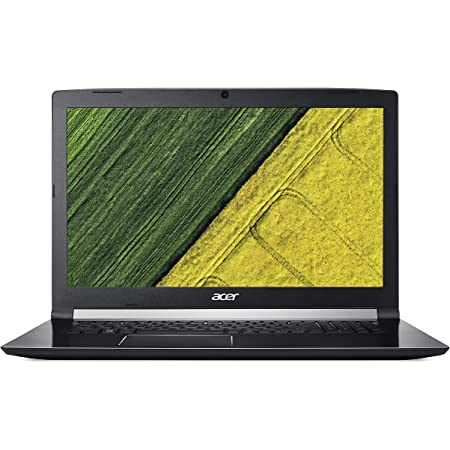
The Acer Aspire 7 A717-72G is a 17.3-inch gaming laptop built around a six-core Intel Core i7-8750H and an NVIDIA GeForce GTX 1060. It launched as an affordable big-screen gaming machine, and years later it remains one of the better value picks on the used market for 1080p gaming and everyday work. This review breaks down its specs, real-world gaming performance, display, thermals, battery life, and whether it is still worth buying today.
Verdict: Is the Acer Aspire 7 A717-72G Worth It?
Short answer: yes, if you find one at a good price and want a large-screen laptop that can still play most games at 1080p. The Core i7-8750H is a genuinely capable six-core CPU that holds up well for multitasking, coding, and content work, and the GTX 1060 handles esports titles at high frame rates and older AAA games at medium-to-high settings. The trade-offs are the ones you would expect from a 17-inch gaming laptop of this era: it is heavy, the battery is unremarkable, and the plastic chassis feels functional rather than premium. As a new purchase it is dated; as a used or refurbished buy, it is a lot of screen and performance for the money.
Acer Aspire 7 A717-72G Specifications
| Component | Specification |
|---|---|
| Processor | Intel Core i7-8750H (6 cores / 12 threads, up to 4.1 GHz) |
| Graphics | NVIDIA GeForce GTX 1060 (6GB GDDR5) |
| Display | 17.3-inch Full HD (1920 x 1080) IPS |
| Memory | 16GB DDR4 2400 MHz (configs from 8GB to 32GB) |
| Storage | 256GB SSD (many configs add a 1TB HDD) |
| Operating system | Windows 10 Home (upgradeable to Windows 11 on supported units) |
| Connectivity | Wi-Fi 5 (802.11ac), Bluetooth, Gigabit Ethernet |
| Weight | ~3.0 kg (6.6 lbs) |
Design and Build
The Aspire 7 keeps its gaming DNA subtle. Instead of aggressive angles and RGB, you get an obsidian-black plastic chassis with a brushed-metal-look lid and red accents around the keyboard and vents. It is understated enough to carry into an office or classroom without looking like a gaming rig.
At around 3 kg and 17.3 inches, this is a desktop-replacement laptop, not an ultraportable—you will feel it in a backpack. Build quality is solid for the price, though there is some flex in the lid and keyboard deck. The upside of the large footprint is excellent connectivity and room for proper cooling.
Display
The 17.3-inch Full HD IPS panel is the star of the everyday experience. IPS means wide viewing angles and consistent color, and the large 1080p canvas is comfortable for gaming, multitasking, and long work sessions. It is a 60Hz panel with modest brightness and standard (not wide) color gamut, so it is better suited to gaming and productivity than to color-critical photo or video editing. For its class and era, it remains a pleasant, easy-on-the-eyes screen.
Gaming Performance: What the GTX 1060 Delivers
The GTX 1060 6GB is the heart of this laptop’s gaming ability. Even today it is a capable 1080p card:
- Esports titles (CS2, Valorant, League of Legends, Rocket League, Dota 2): high frame rates at high settings—comfortably above 60 FPS, often well beyond.
- Older and mid-weight AAA games (GTA V, The Witcher 3, Overwatch 2, Apex Legends): a smooth ~50–60 FPS at medium-to-high settings at 1080p.
- Modern demanding AAA titles: playable at low-to-medium settings, but this is where the card shows its age—expect to dial settings down and accept 30–45 FPS in the heaviest games.
Paired with the six-core i7-8750H, the system rarely bottlenecks in games, and the CPU gives it real headroom for streaming, background tasks, and productivity that lighter laptops lack. It is also VR-capable at entry level.
CPU and Productivity Performance
The Core i7-8750H was a workhorse mobile CPU, and six cores and twelve threads still handle demanding, non-gaming tasks well: compiling code, running virtual machines, editing 1080p video, and juggling dozens of browser tabs. For developers and creators who also want to game, this combination of a strong CPU and a competent GPU is exactly the balance the Aspire 7 was built to strike.
Storage, Memory, and Upgradability
Most units shipped with a 256GB SSD, often alongside a 1TB hard drive—fast boot and app loading plus roomy storage for a game library. Crucially, the Aspire 7 is user-upgradable: you can add or swap the SSD and increase RAM (configs support up to 32GB), which is the single best way to extend the life of a used unit. Bumping a base model to 16GB of RAM and a larger SSD makes a noticeable difference.
Thermals and Noise
The large chassis works in the Aspire 7’s favor for cooling. Under sustained gaming load the twin fans get audibly loud—headphones recommended—but temperatures stay in check and the machine avoids heavy thermal throttling better than thinner gaming laptops. For day-to-day work the fans are quiet.
Battery Life
Battery life is the expected weak point of a 17-inch gaming laptop. Expect roughly 4–6 hours of light use (web, documents, video) and far less while gaming, which will drain the battery in around an hour and should be done plugged in. This is a machine designed to live near a power outlet.
Keyboard, Ports, and Connectivity
The full-size backlit keyboard includes a number pad and has comfortable, well-spaced keys with decent travel—good for both typing and gaming. Port selection is generous thanks to the large body: USB-A, USB-C, HDMI, Gigabit Ethernet, and an SD card reader cover almost every need without a dock. Wireless is handled by Wi-Fi 5 and Bluetooth.
Pros and Cons
Pros:
- Strong six-core i7-8750H CPU for gaming, coding, and creative work
- GTX 1060 still handles 1080p gaming well, especially esports
- Large, comfortable 17.3-inch Full HD IPS display
- Understated design that fits work and play
- User-upgradable RAM and storage; generous ports
Cons:
- Heavy and bulky—not for frequent travel
- Mediocre battery life, especially while gaming
- Fans get loud under load
- 60Hz, standard-gamut panel; dated for new-purchase buyers
Who Should Buy the Acer Aspire 7 A717-72G?
This laptop makes the most sense for budget-conscious gamers, students, and developers who want a big screen and real CPU power without paying for a current-gen gaming laptop. If you mostly play esports and older AAA titles at 1080p, do productivity or development work, and don’t need to carry the machine around all day, a well-priced used or refurbished Aspire 7 A717-72G is a smart value. If you need the latest ray-traced AAA performance, a high-refresh display, or all-day battery, look at a newer model instead.
Frequently Asked Questions
Can the Acer Aspire 7 A717-72G run modern games?
Yes, with realistic expectations. Its GTX 1060 runs esports titles at high settings and 60+ FPS, and older or mid-weight AAA games at medium-high settings around 50–60 FPS at 1080p. The newest, most demanding AAA games will need lower settings and will run at roughly 30–45 FPS.
Is the Acer Aspire 7 A717-72G good for programming and work?
Very much so. The six-core, twelve-thread Core i7-8750H handles compiling, virtual machines, video editing, and heavy multitasking comfortably, and the large 1080p screen is great for productivity.
Can you upgrade the RAM and storage?
Yes. The Aspire 7 supports RAM upgrades (configurations go up to 32GB) and lets you add or replace SSD/HDD storage, which is the best way to keep a used unit fast and roomy.
Does it support Windows 11?
Many units meet Windows 11 requirements and can be upgraded, though you should confirm TPM and firmware settings on the specific machine before updating.
Is the Acer Aspire 7 A717-72G still worth buying?
As a used or refurbished purchase, yes—it offers a large IPS screen, a strong CPU, and capable 1080p gaming for well under the cost of a new gaming laptop. As a brand-new purchase it is dated and better alternatives exist.