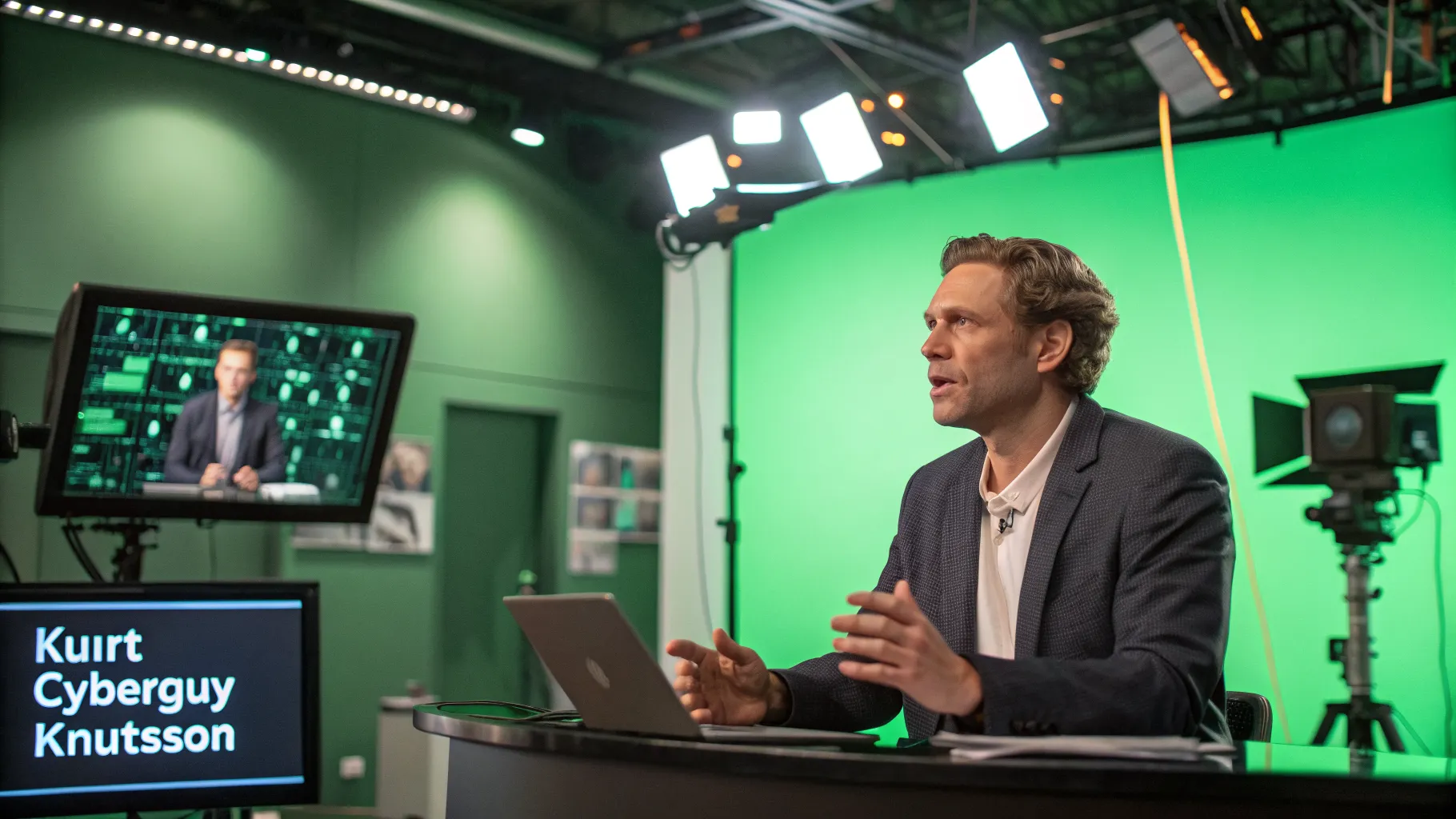
Tech reporter Kurt “CyberGuy” Knutsson spotlighted the growing role of artificial intelligence in film and TV during a segment on Fox & Friends, reflecting fresh urgency across Hollywood about how the tools will change what gets made and who gets paid. His discussion arrived as studios, unions, and creators weigh where AI helps and where it harms, from cost-cutting on set to credit and consent for human work.
The debate centers on a simple question with complex trade-offs: how to use AI to speed up production and expand creative options without erasing jobs or undercutting artistic control. The stakes are high for writers, actors, editors, and visual effects teams, and for audiences who may see more content made faster—yet not always better.
Background: From Strike Lines to Guardrails
AI was a flashpoint in last year’s labor standoffs involving writers and actors. Those agreements set early rules for machine-written material and the use of digital likenesses. They signaled an industry shift: AI would be present, but with boundaries.
Studios have long used software for effects and de-aging. What changed is the speed and accessibility of tools that can clone voices, suggest scripts, or create crowd scenes. What once took weeks in post-production can now be done in days, sometimes hours.
What AI Could Change On Set
Filmmakers are testing AI to pre-visualize complex scenes, build digital backgrounds, and plan camera moves. These steps can cut costs and reduce reshoots. Editors are leaning on AI to log footage, match shots, and clean audio. Costume and set teams use AI to generate mood boards and reference art before building anything physical.
Writers face a more delicate shift. Some showrunners see value in AI for research or early outlines. Others fear a path where draft scripts come from a machine and humans are asked only to polish. That raises credit, pay, and ethical questions that contracts now try to address.
Labor Fears and New Rules
Actors worry most about digital doubles. Consent and compensation for scanning faces and bodies are central to new protections. The same concerns apply to voice work as cloning tools get better. Music, advertising, and video games are grappling with the same issues.
Unions say a fair system needs three basics: clear consent, transparent labeling, and payment when a person’s work trains or appears in AI output.
- Consent: No scans or voice models without written approval.
- Credit: Human contributions must be recognized.
- Compensation: Reuse and training should trigger pay.
Studios Bet on Efficiency
Studios, under pressure to cut costs after years of heavy streaming spend, see AI as a way to smooth production risks. Faster edits, smaller crews for location shoots, and AI-assisted marketing can shave millions from big projects and keep mid-budget films viable. Independent producers say these savings could keep more films in the pipeline.
But efficiency is not the same as quality. Directors warn that over-reliance on generated imagery can make films look similar. Visual effects artists point out that AI still struggles with hands, crowds, and lighting that matches the real world. Fixing those flaws can erase the promised savings.
What Viewers Could Notice
Audiences may see shorter post-production timelines, more mid-budget genre films, and streaming series with more episodes per season. Localization and dubbing could improve as AI voice tools sync lips more naturally across languages, which could help global releases.
On the downside, viewers might catch uncanny faces, awkward hand movements, or mismatched shadows—tells that a scene used machine-generated elements. Trust could be tested if studios do not label synthetic content, especially in trailers and promotional clips.
Knutsson’s Take and Industry Reactions
Knutsson’s segment reflected a wider mood: optimism about time-saving tools mixed with firm calls for guardrails. Technologists say AI is best used as an assistant—handling rote tasks so humans focus on story and performance. Creators echo that line, as long as the tools do not replace original work.
Rights advocates push for stronger privacy rules, arguing that faces and voices are personal data. Studio executives counter that audiences care most about speed, choice, and price, and that AI can deliver all three if used responsibly.
What Comes Next
Three fronts will shape the next year. First, contract enforcement: whether new rules on consent and credit hold up under day-to-day pressure. Second, disclosure: if studios will label synthetic content in end credits or even on-screen. Third, education: training crews and creators to use AI without losing craft.
Policymakers are watching. State privacy laws could influence how scans and voice models are stored and reused. Insurance firms are also asking for documentation to assess risk when AI touches core scenes.
Knutsson’s spotlight captures a turning point. AI is moving from experiments to everyday tools, and choices made now will set norms for years. Viewers should expect faster releases and slicker localization. Creators should expect more guardrails and more pressure to learn new skills. The industry will be defined by how well it balances speed with authenticity—and how clearly it rewards the human work that audiences come to see.

Deanna Ritchie is a managing editor at DevX. She has a degree in English Literature. She has written 2000+ articles on getting out of debt and mastering your finances. She has edited over 60,000 articles in her life. She has a passion for helping writers inspire others through their words. Deanna has also been an editor at Entrepreneur Magazine and ReadWrite.