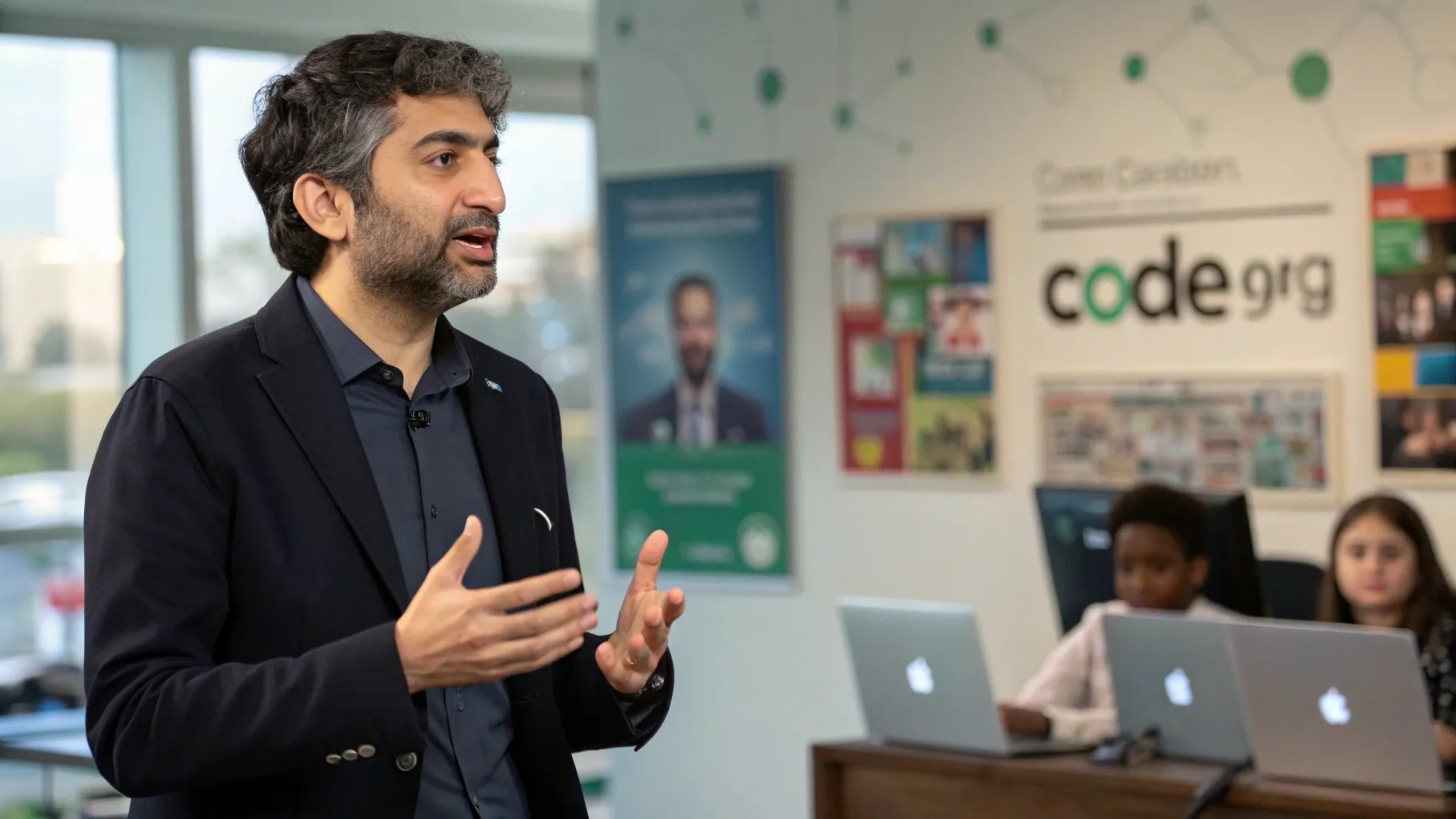
Code.org co-founder and CEO Hadi Partovi criticized The New York Times over a recent report, signaling a fresh clash between a major education nonprofit and one of the country’s most influential newsrooms. His comments highlight growing friction over how technology and computer science are portrayed in schools and the public square.
The dispute centers on a news report that Partovi argues mischaracterized key issues tied to computer science education. While details of the article were not immediately clear, his pushback points to concern that high-profile coverage may shape policy and public opinion in ways that affect classrooms, teachers, and students.
Background on Code.org and Its Mission
Code.org, founded in 2013, advocates for computer science education and works with schools, districts, and state leaders to expand access. The nonprofit is known for curriculum development, teacher training, and public campaigns supporting computer science as part of core K-12 education.
Over the past decade, computer science has shifted from an elective to a subject many states now encourage or require. Supporters say early exposure helps students develop problem-solving skills and improves career options. Skeptics worry about resources, training, and the role private groups play in shaping what children learn.
Why Media Coverage Matters
Education reporting can influence funding priorities and legislative agendas. When national outlets scrutinize how technology fits into classrooms, their framing may affect whether leaders view computer science as a critical subject or a niche topic.
Partovi’s reaction suggests he sees the latest coverage as incomplete or unfair. In disputes like this, advocates often argue that reports can conflate computer science with broader debates over devices in classrooms, screen time, or social media, which are distinct from structured courses that teach programming and computational thinking.
Competing Views on Technology in Schools
Parents and educators hold mixed views. Some say computer science skills open doors to stable, high-paying careers and should be taught early. Others caution that schools need strong teacher support, clear standards, and careful evaluation of outcomes before expanding new programs.
- Supporters: Computer science strengthens logic and creativity and prepares students for modern jobs.
- Critics: Schools should avoid rushing into new requirements without training, resources, and evidence of long-term benefits.
Journalists often probe these trade-offs. Advocates welcome scrutiny but argue that nuance is essential, especially when reports influence public sentiment and classroom priorities.
The Stakes for Classrooms and Policy
States and districts continue to debate whether to require computer science for graduation, how to fund teacher training, and how to fit the subject into already full schedules. A single high-profile article can ripple through these conversations, affecting grant decisions, parent support, and legislative timelines.
Nonprofits like Code.org frequently partner with schools to bridge training gaps and share curriculum. Critics of that model say public education should rely less on private groups. Supporters counter that partnerships help schools move faster and reach students who might otherwise be left out.
What to Watch Next
Partovi’s public pushback sets the stage for renewed debate over how the press covers computer science. It may also prompt educators and policymakers to review the differences between teaching foundational computing skills and broader concerns about classroom technology use.
Further responses from educators, students, and district leaders could add clarity. If the news report raised questions about outcomes, costs, or equity, school systems may offer data or case studies in reply. That could give families a clearer view of what works, what needs fixing, and what should come next.
For now, the dispute highlights a larger issue: computer science has moved from the edge of the curriculum to a central topic in education policy. How it is described in national coverage may influence whether it grows in classrooms or faces new hurdles. Readers should watch for follow-up statements from both sides, additional reporting, and any policy shifts that emerge from the public debate.

A seasoned technology executive with a proven record of developing and executing innovative strategies to scale high-growth SaaS platforms and enterprise solutions. As a hands-on CTO and systems architect, he combines technical excellence with visionary leadership to drive organizational success.