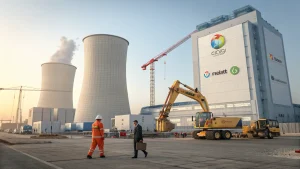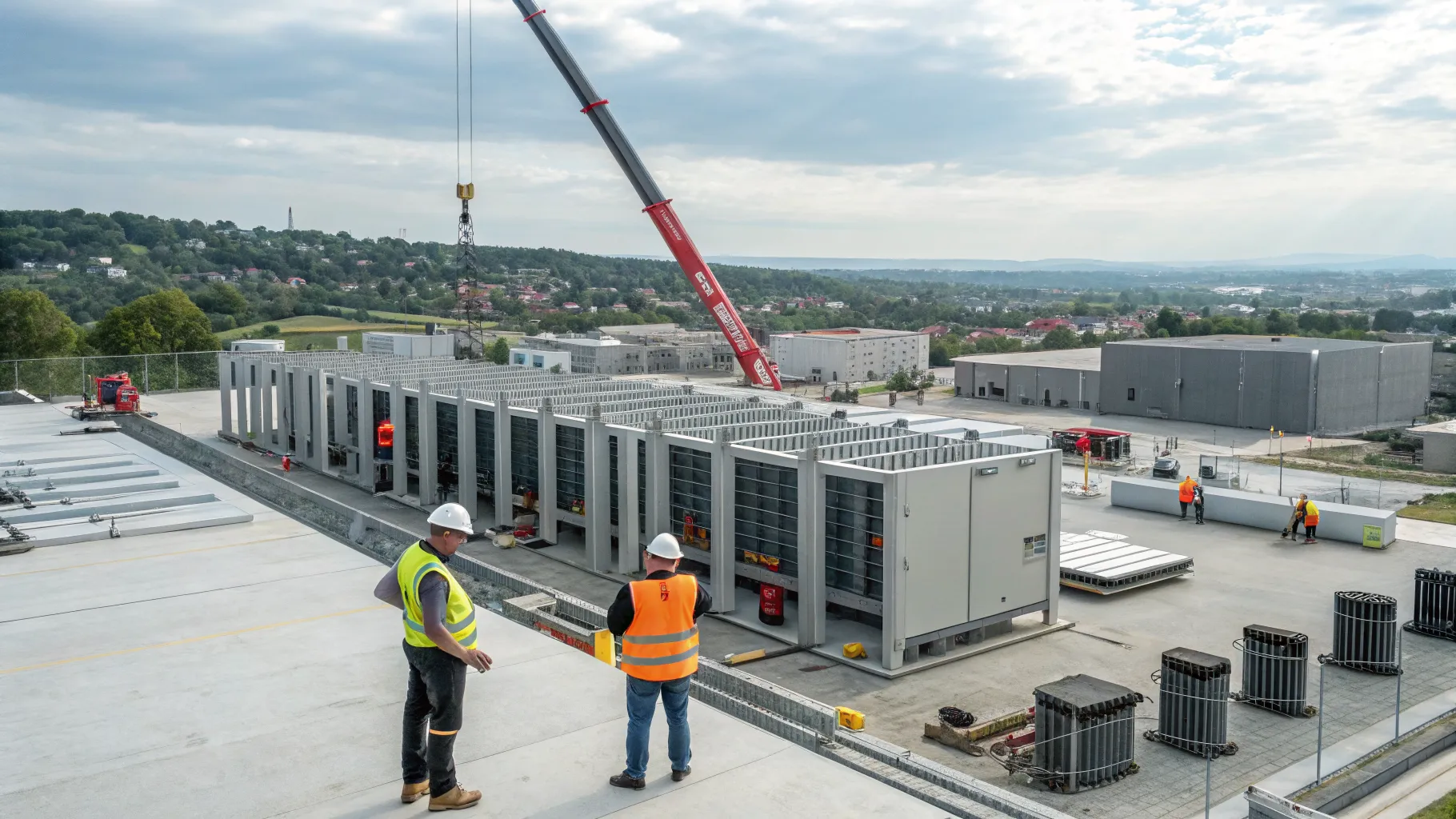
A planned data center is being pitched as a major jobs engine for the region, with the council saying it could bring long-term, high-wage work to local residents. The proposal, still moving through approvals, has sparked debate over the trade-offs tied to large-scale digital infrastructure. Supporters see a chance to anchor new investment. Critics point to energy, water, and land impacts that come with it.
A Promise of Skilled Employment
The council says the project will create about 900 highly skilled long-term jobs. These roles are expected to include network engineers, facilities technicians, cybersecurity staff, and operations managers. The figure suggests a push to draw or develop advanced talent in the area. It also signals confidence that the facility will operate at scale for years.
“The council says the data centre will attract about 900 highly skilled long-term jobs.”
Officials argue that sustained, full-time positions can stabilize the tax base and support local services. They also note a potential ripple effect for nearby suppliers and contractors.
Background: Why Data Centers Are Expanding
Demand for cloud computing, AI, and streaming has lifted the need for secure, high-availability server space. Companies seek sites with reliable power, strong fiber links, and access to talent. Local leaders often court these projects with land, permitting support, and infrastructure upgrades. In return, they look for durable jobs and fresh investment.
Communities that have landed such facilities report a mix of permanent technical roles and ongoing vendor work. Construction employment tends to peak early and then taper off, while core operations staff remain. The council’s projection of 900 long-term jobs suggests a sizable campus or multi-phase build.
Economic Impact and Workforce Readiness
If the hiring goal is met, the project could reset the local labor market for advanced IT and facilities operations. Wage levels in data center operations are typically higher than average regional pay. That can help raise household incomes and consumer spending.
Workforce experts often point to training as the swing factor. Partnerships with colleges and technical programs can prepare residents for roles that do not require four-year degrees. Certificates in power systems, HVAC, fiber optics, and data security can open doors to stable careers.
- Entry pathways: facilities tech, junior network roles, and security monitoring.
- Mid-level growth: systems administration, power and cooling specialists, shift leads.
- Advanced tracks: site reliability, cybersecurity, and data center management.
Infrastructure and Environmental Questions
Large data centers require significant power. Planners will need to detail how the site connects to the grid and whether new substations or lines are needed. The project’s energy mix could become a key point for residents and climate groups. Many operators commit to renewable power purchases or on-site generation to manage emissions.
Cooling systems also raise water use questions. Modern designs rely on air cooling, closed-loop systems, or recycled water to limit strain on local supplies. Clear disclosures on peak and average water use, plus conservation steps, can shape public support.
Traffic, noise during construction, and land use compatibility are other topics likely to feature in hearings. Mitigation plans, from sound barriers to off-peak deliveries, can reduce friction with neighbors.
Community Response and Accountability
Public meetings typically focus on job quality, access for local workers, and community benefits. Residents often ask for hiring targets, internships, and scholarships tied to the project. Transparency on timelines, wages, and vendor opportunities helps build trust.
To measure progress, the council could publish periodic updates on hiring and procurement. Independent verification of job numbers can keep expectations aligned with results.
What Happens Next
The next steps usually include environmental review, utility coordination, and final design. If approvals arrive on schedule, site work could begin soon after. Hiring often starts months ahead of commissioning to allow training and site readiness.
Key milestones to watch include planning approvals, power agreements, and workforce partnerships. Each will reveal whether the 900-job target is within reach.
The council’s jobs projection sets a high bar for a project with lasting implications. If the facility secures clean power, manages water use, and opens clear training paths, it could reshape the local economy. The coming months will show whether commitments on employment and sustainability match the promise. For now, the region faces a choice: weigh near-term impacts against the prospect of a steady stream of highly skilled long-term jobs for years ahead.

Senior Software Engineer with a passion for building practical, user-centric applications. He specializes in full-stack development with a strong focus on crafting elegant, performant interfaces and scalable backend solutions. With experience leading teams and delivering robust, end-to-end products, he thrives on solving complex problems through clean and efficient code.