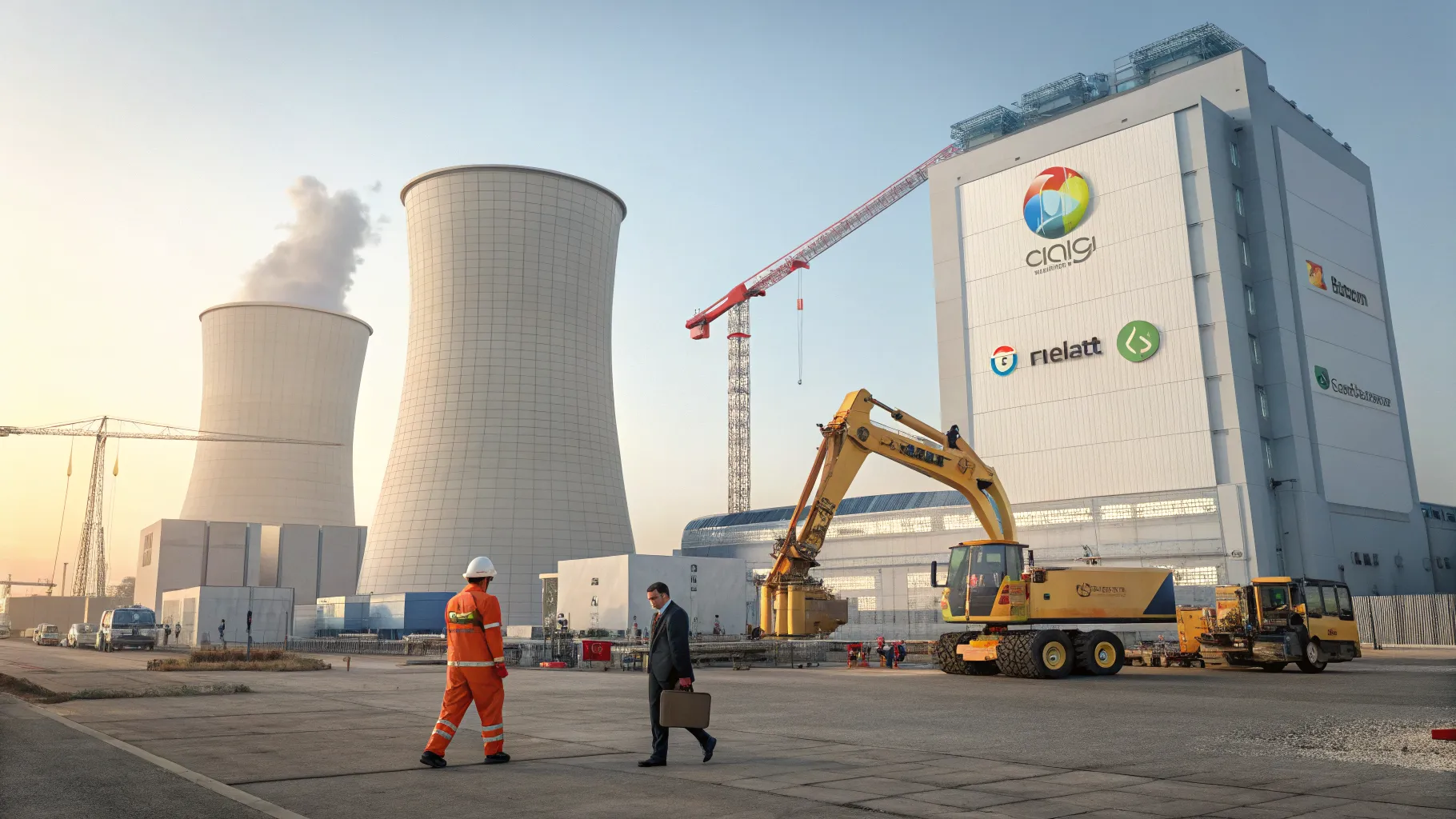
Big technology companies are moving into nuclear energy, seeking steady electricity for artificial intelligence while offering new money and clearer revenue paths to nuclear startups. The push ties corporate energy needs to an industry long seen as capital heavy and slow to change, and it could reframe how new reactors get financed and built.
The core of the shift is simple. AI data centers need large amounts of power, often around the clock. Wind and solar are growing fast but are variable. Nuclear offers carbon-free, firm supply. Deals signed in recent months signal a new strategy: secure future nuclear output now to meet growth later.
Why AI Is Driving the Power Hunt
Demand for computing is surging as companies train and run large AI models. That means more servers and more cooling. It also means higher electricity bills and a need for predictable supply.
The International Energy Agency has warned that global electricity use by data centers, AI, and crypto could reach the hundreds of terawatt-hours within a few years. Utilities in the United States and Europe are revising load forecasts upward. Some are fast-tracking new generation and grid upgrades to keep up.
Big Tech is reshaping the funding landscape for new nuclear technologies as it seeks to bolster electricity supply for power-hungry AI data centers, inking deals that offer nuclear companies both funding and a clearer path to making money.
How Tech Money Is Changing Nuclear Finance
Traditional nuclear projects rely on utility procurement and regulated returns. That model has struggled with delays and overruns. Corporate buyers are testing a different route: long-term offtake agreements and direct investment.
- Some firms have signed power purchase agreements that lock in future nuclear output for data centers.
- Others are backing advanced designs, such as small modular reactors and fusion pilots, with milestone payments.
- A few have placed data campuses next to existing reactors to tap firm power and reduce transmission losses.
These structures give nuclear developers visibility on future revenues. That can lower financing costs and help projects reach final investment decisions. For tech firms, early commitments can secure supply in crowded power markets.
Examples Point to a New Playbook
Recent deals offer a glimpse of the approach. A major cloud provider agreed to procure future output from an American fusion startup, tying payments to delivery targets. Another arranged a campus adjacent to a large U.S. nuclear station, enabling direct access to carbon-free power at scale. Several companies have expanded contracts with established nuclear operators to match round-the-clock computing loads.
These cases vary in technology and risk. Conventional reactors are proven but costly. Small modular reactors promise faster builds, though none are yet operating at scale in the United States. Fusion remains experimental. Corporate buyers are spreading bets across timelines, from near-term baseload contracts to long-shot breakthroughs.
Regulatory Hurdles and Market Risks
Even with corporate demand, projects face challenges. Licensing for new designs takes time. Supply chains for specialized components are thin. Interest rates raise carrying costs for long builds. Community consent and safety reviews remain essential.
Cost is the central question. Recent cancellations and overruns have made investors cautious. Critics argue that demand growth should be met with efficiency measures, grid upgrades, and faster-to-build renewables paired with storage. They warn that betting on unproven reactors could delay decarbonization while locking in high prices.
Supporters counter that firm, clean power is scarce. They say AI and industrial electrification will require resources that do not depend on weather. Long-term contracts, they argue, can make projects bankable while pushing innovation.
What This Means for the Power Sector
If tech-backed contracts become common, they could reshape how capital flows into nuclear. Project developers could pair corporate offtake with tax credits and loan guarantees. That mix might close financing gaps that have stalled past builds.
Utilities may also adapt. Some are exploring partnerships where they host data centers near existing nuclear and hydro plants. Others are considering joint ventures to co-own generation with large buyers, sharing risks and returns.
Outlook: Timelines, Trade-Offs, and Trust
The near term will hinge on permitting speed and supply chain readiness. The medium term depends on whether small reactors reach commercial operation on schedule and on budget. The long term will test whether fusion can deliver meaningful power.
For now, Big Tech’s interest has put nuclear back into boardroom plans. The deals are early, but they introduce new ways to pay for clean, firm power. Success will require clear timelines, transparent costs, and credible delivery steps.
The next milestones to watch include license decisions for advanced designs, final investment decisions tied to corporate contracts, and grid impact studies near fast-growing data hubs. If these advance, the model could scale. If not, buyers may pivot to other firm sources, such as gas with carbon capture, geothermal, or expanded storage with renewables.
The bottom line is straightforward. Corporate demand for reliable, carbon-free power is rising fast. Whether nuclear can meet it at the right price and speed will shape the future of both data centers and the energy system.
Related Articles
- Tech giants invest heavily in nuclear power
- Alphabet Buys Intersect to Power AI
- Google partners with NV Energy for geothermal
- US Gas Projects Linked To Data Centers Soar

Kirstie a technology news reporter at DevX. She reports on emerging technologies and startups waiting to skyrocket.