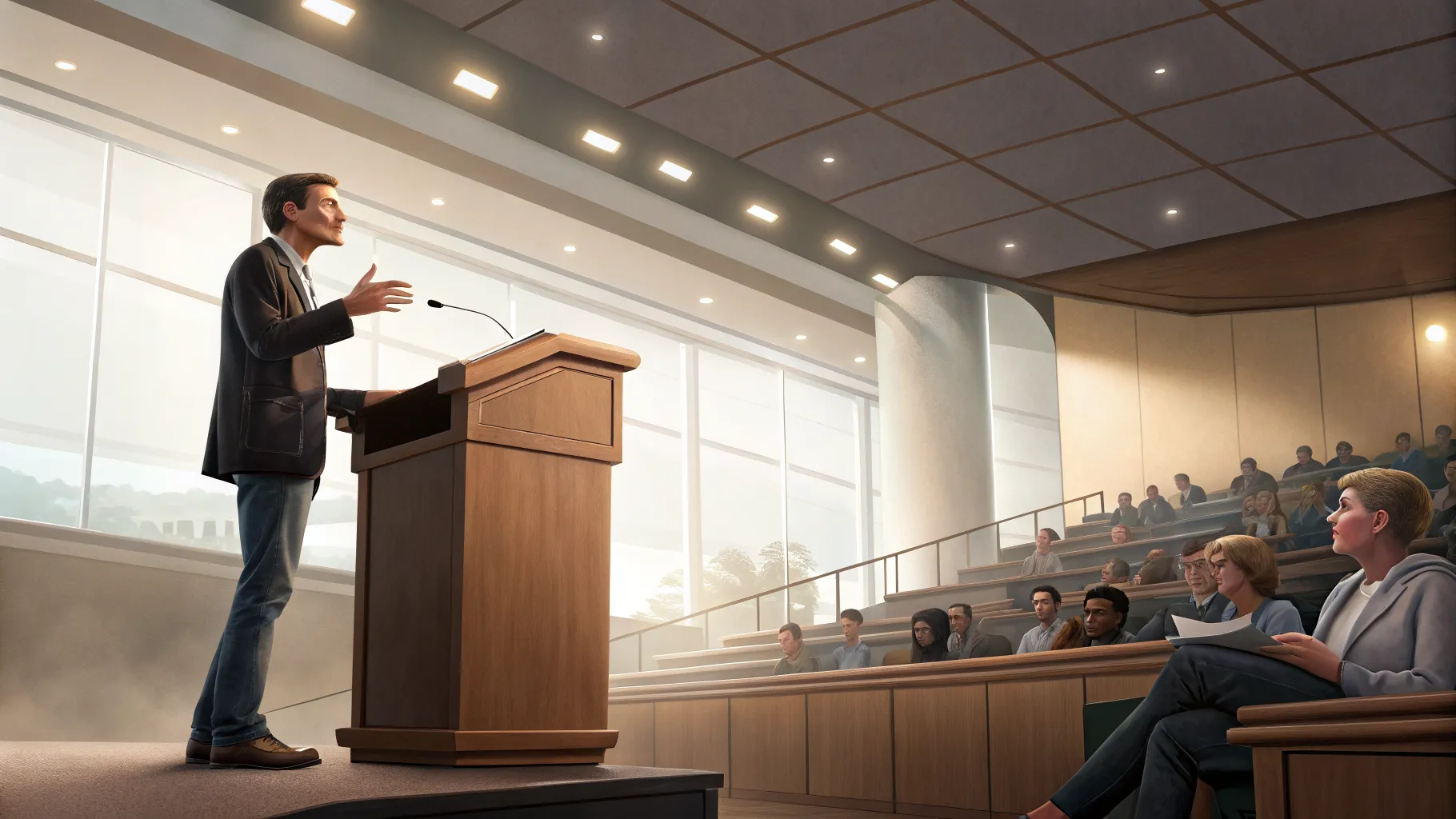
A Columbia University engineering professor has stepped into the public eye to discuss a historic mission, signaling high stakes for science, safety, and policy. Cody Paige, a professor of mechanical engineering, addressed why the effort matters and what it may demand from teams on the ground and in the field. While key operational details were not disclosed, the appearance points to rising interest in how complex missions are designed, tested, and judged a success.
Why This Mission Matters Now
Large missions often carry more than a single goal. They can validate new hardware, set safety benchmarks, and guide future funding. When academic voices weigh in, it suggests the mission is not only about one launch or one deployment. It is about what comes next for engineering practice and public trust.
Universities like Columbia have long served as hubs for systems testing, failure analysis, and workforce training. Faculty often help translate research into hardware and procedures that can survive heat, vibration, vacuum, or long duty cycles. A public briefing by a senior professor points to interest from students, industry partners, and policy makers who will be asked to support follow-on work.
Engineering Hurdles and How Teams Prepare
Historic missions are defined by the risks they must manage. Even a small design error can ripple through a system. Engineers plan for what can go wrong and measure margins that protect the mission.
Standard practice centers on design reviews, modeling, and staged tests. These steps help confirm that parts fit, systems talk to each other, and the mission can survive real-world stress. When a mission sets a new bar—whether in duration, distance, or precision—each of these steps takes on new weight.
- Thermal control must protect parts from extreme cold and heat.
- Structures must handle vibration during launch or deployment.
- Power and data systems need redundancy to ride out faults.
- Software must fail safe, with clear recovery paths.
Academic labs often act as independent testers. They run experiments to verify material behavior, map fatigue limits, and check control laws against edge cases. This outside review helps teams avoid overconfidence and spot hidden coupling between subsystems.
Safety, Ethics, and Public Oversight
With higher stakes come questions of consent, environmental impact, and transparency. Historic missions can affect local communities and sensitive sites. Public briefings help set expectations on noise, debris, or airspace limits. They also explain how risks will be tracked and reported.
Ethical review is now standard in many projects. Teams write plans for data use, privacy, and equitable access to results. For field operations, they map safety zones and rehearse emergency response with local officials. Academic experts can clarify what “acceptable risk” means in practice and how it is measured over time.
Training the Next Generation
Students watch these moments closely. A mission of record can shape course offerings, lab projects, and internships. Faculty draw on live case studies to teach trade-offs between cost, weight, performance, and schedule. They also stress the need for checklists, communication, and clear roles during time-critical events.
Mechanical engineering programs are shifting to more hands-on builds with hardware-in-the-loop tests. This gives students practice with sensors, actuators, and diagnostics before they join a flight or field team. Exposure to real constraints—like delivery deadlines and part shortages—prepares them for the pressures of historic work.
Measuring Success and Learning From Failure
Success is not only a single headline moment. It includes how well a mission meets its objectives, shares data, and informs future designs. Post-mission reviews examine what went right and what needs fixing. These reports can change testing protocols, supplier choices, and staffing plans.
When things go wrong, the response matters. Clear incident reporting, root-cause analysis, and open lessons learned help the field move forward. Academic observers often push for this openness to protect both public funds and future missions.
What to Watch Next
Key milestones will likely include final integration, dress rehearsals, and a formal readiness review. Observers will be looking for evidence that verification is complete, that teams have practiced fault recovery, and that contingency plans are in place.
Paige’s public discussion suggests growing momentum and a desire to build wider support. If the mission meets its early gates, it could become a model for how academia, industry, and public agencies share risk and return. If delays arise, the process will test how well teams manage change without losing sight of core goals.
The next weeks and months will show whether this mission delivers on its promise and sets new standards for safety and performance. For students and engineers watching from labs and control rooms, the lesson is clear: careful design, honest testing, and steady communication remain the best tools for historic work.
Related Articles
- K2 Plans Tech For Space Data Centers
- What Latency Debugging Reveals About System Design
- How to Reduce Cognitive Load with Effective Platform Abstractions

Deanna Ritchie is a managing editor at DevX. She has a degree in English Literature. She has written 2000+ articles on getting out of debt and mastering your finances. She has edited over 60,000 articles in her life. She has a passion for helping writers inspire others through their words. Deanna has also been an editor at Entrepreneur Magazine and ReadWrite.