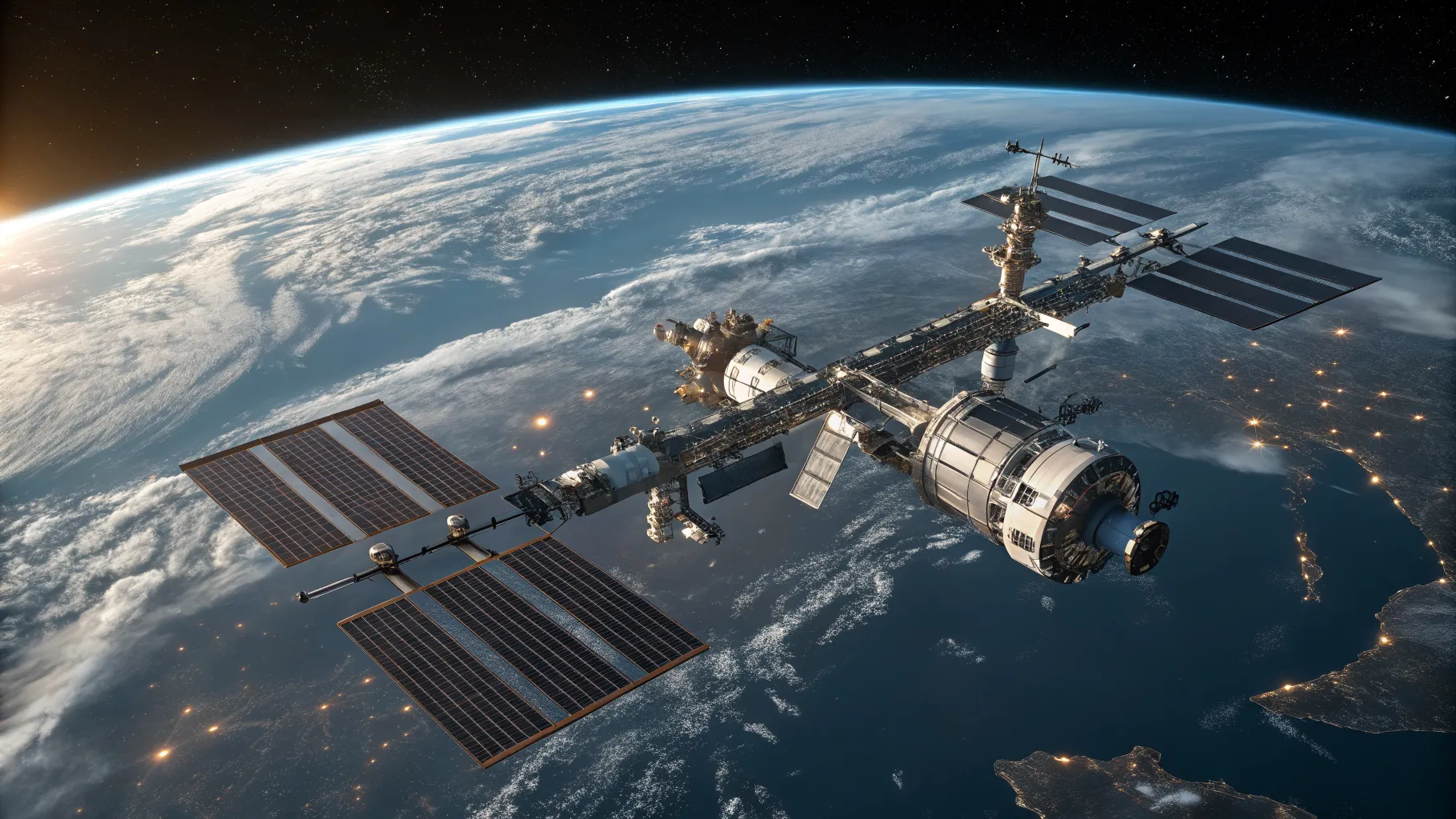
K2 has set out a bold plan to test the technologies needed to build data centers in orbit, a move that could reshape how digital infrastructure is powered and protected. The effort, called Gravitas, seeks to prove that core functions of cloud computing can operate reliably in space and at scale. The project targets a future where energy-hungry servers leave the ground, tapping near-constant solar power and freeing up resources on Earth.
“K2’s Gravitas is an ambitious project that aims to demonstrate the tech needed to build data centers in space.”
The pitch is simple but far-reaching. Shift storage and compute off-planet, and gain energy, security, and thermal advantages that are hard to match on Earth. Yet the path is complex, spanning launch costs, orbital safety, radio links, and new standards for uptime in vacuum and radiation.
Why Space Is on the Table
Data centers consume large amounts of electricity and water for cooling. Studies have estimated that data centers use roughly 1% to 2% of global electricity, with demand rising as AI and streaming grow. Operators have chased cleaner power and better efficiency, but cooling limits and land constraints remain a drag in many regions.
Space offers another option. Sunlight is steady in orbit. Heat can radiate into the cold of space without giant chillers. Sites do not compete with farms or housing. Advocates also point to security. Servers off-planet are far from floods, fires, and many physical threats.
What Gravitas Seeks to Prove
K2’s plan centers on proving that the core stack can work end to end. That includes power generation and storage, radiation-tolerant compute, secure networking, and reliable data relay to ground users. The company has framed the work as a staged approach, starting with demonstrations and moving to higher capacity over time.
The first steps likely focus on ruggedized hardware and autonomous operations. Space servers must boot, patch, and recover without a human nearby. They must handle thermal swings and radiation spikes while keeping data safe. Even basic maintenance needs robotics.
The Hard Problems Ahead
Supporters see clear promise, but the hurdles are real and varied. Experts point to physics, policy, and economics as the key tests.
- Latency: Orbits add delay. That limits use for trading, gaming, or real-time control.
- Radiation: Memory errors and chip aging demand hardened parts and error correction.
- Thermal control: Heat rejection works in a vacuum, but large loads need careful design.
- Spectrum and links: High bandwidth downlinks need approved frequencies and many ground stations.
- Debris and safety: More hardware in orbit raises collision risks and end-of-life duties.
- Costs: Launch, insurance, and custom hardware must beat or match ground costs to compete.
Market Fit and Likely Customers
K2’s pitch may resonate most with workloads that can tolerate lag but need strong security or steady power. Backups, disaster recovery, long-term archives, and some AI training could fit. Batch analytics that move large datasets overnight may also work. Defense and research users may be early adopters due to mission needs and security budgets.
For general cloud use, the model may be hybrid. Latency-sensitive apps stay on Earth. Heavy compute or cold storage shift to orbit when it cuts cost or risk. Content delivery could use ground caches to hide delay from end users.
Policy, Standards, and Trust
Regulators will shape the pace. Orbital debris rules are tightening. Licensing for spectrum and remote sensing can take time. Operators must show safe deorbit plans and clean operations. Transparency on security will also matter. Customers will ask how keys are managed, how access is audited, and how incidents are handled with no on-site team.
Audits and shared standards could ease these concerns. Independent testing of fault rates, data integrity, and recovery times would help. Clear service level terms for radiation events and solar storms will be key.
What Success Would Look Like
A successful demo would show stable compute under radiation, sustained power from solar arrays and batteries, high-throughput downlinks, and automated fault recovery. It would also show that costs can fall as launch prices drop and hardware matures. A clear plan for debris mitigation would be part of the package.
If those pieces come together, space could become a niche but important tier of the cloud. It would not replace terrestrial sites, but it could shift certain workloads and set new norms for energy sourcing.
Gravitas is still in the proving stage, but its goals are clear and the questions it raises are urgent. As energy use climbs and AI drives fresh demand, new ideas will get a hearing. Watch for early flight tests, radiation error data, and end-to-end network trials. Those results will show whether space-based data centers are a near-term option or a longer-term bet that needs more time and engineering.
Related Articles

Rashan is a seasoned technology journalist and visionary leader serving as the Editor-in-Chief of DevX.com, a leading online publication focused on software development, programming languages, and emerging technologies. With his deep expertise in the tech industry and her passion for empowering developers, Rashan has transformed DevX.com into a vibrant hub of knowledge and innovation. Reach out to Rashan at [email protected]