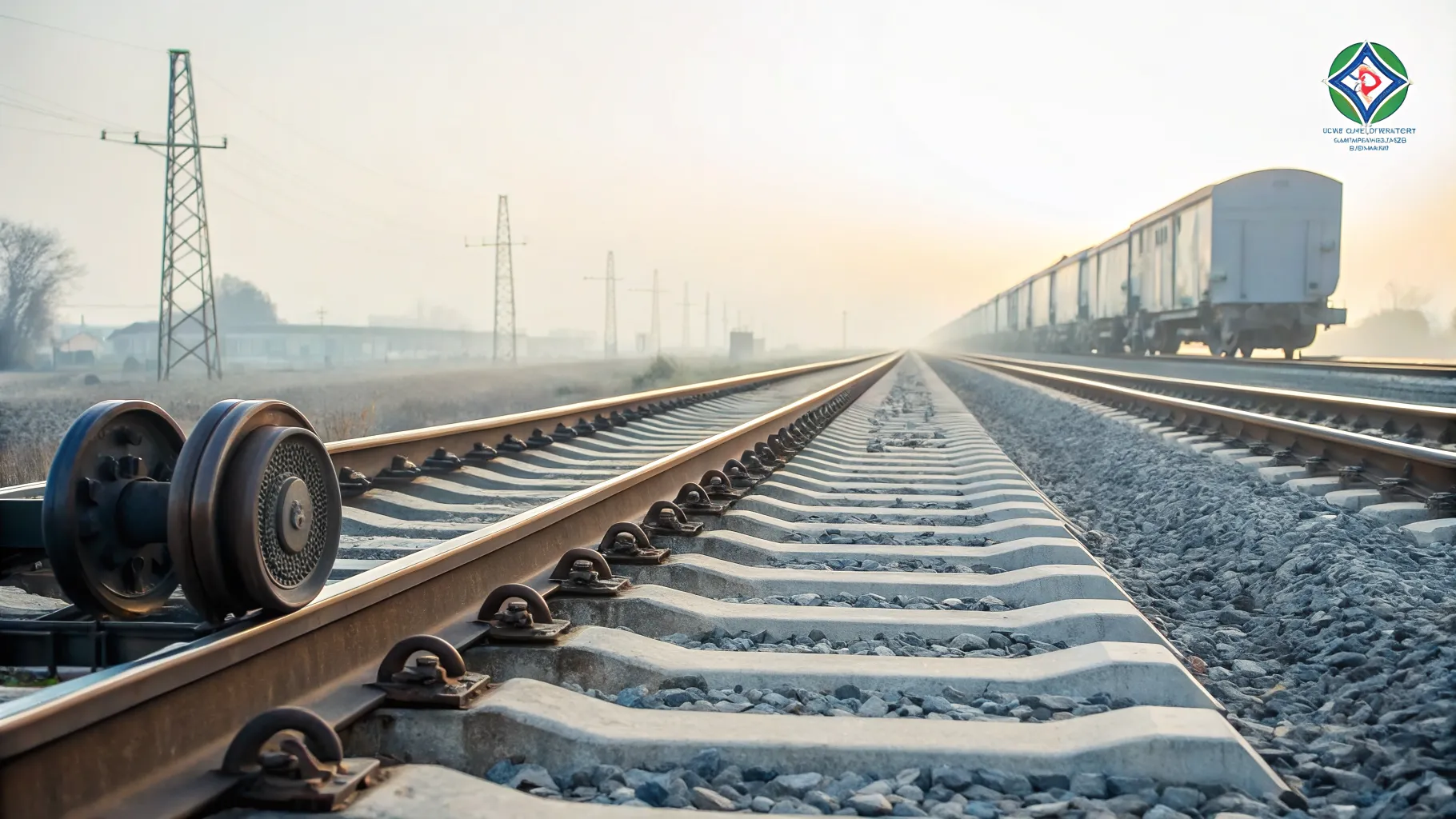
Across freight and passenger networks, rail operators are zeroing in on a simple physics problem with high stakes: how wheels grip steel rails. The push comes as carriers seek safer braking, steadier traction on steep grades, and lower fuel use during a period of tight budgets and volatile weather. From the Midwest to mountain corridors, railroads are investing in tools that control how trains start, stop, and corner.
The issue, engineers say, is not new. Yet the mix of heavier freight, extreme rain and heat, and aging infrastructure has raised the cost of doing nothing. Companies are turning to friction modifiers, sanding systems, and smarter controls to keep trains on schedule and on the rails.
“For railroads, it’s all about managing static and kinetic friction.”
Why Friction Matters Now
Steel wheels on steel rails offer low rolling resistance, which saves fuel. But that also means a small change in surface conditions can have a big effect on stopping distance and wheel slip. Dry, clean rail can offer a coefficient of adhesion near 0.2 for traction. Rain, oil, or crushed leaves can drop that figure sharply, eroding safety margins during starts and emergency stops.
Static friction helps a train get moving without slipping. Kinetic friction governs how it slows once the wheels begin to slide. Operators try to stay in the static zone for both traction and braking. If wheels slide, heat and wear rise fast, and track damage follows.
This concern is practical, not theoretical. Autumn leaf contamination is a seasonal hazard in many countries. In mountain regions, sudden rain on polished rail can trigger wheel slip alarms within seconds. Managing these conditions reduces flat-spotted wheels, track corrugation, and brake shoe wear.
Tools On The Rail And Onboard
Railroads use several tactics to control friction where it counts: at the contact patch between wheel and rail. Top-of-rail friction modifiers reduce stick-slip and improve steering in curves. Gauge face lubrication lowers wear on flanges without hurting traction on the running surface. Trackside applicators meter small amounts of material as trains pass.
Locomotives add their own measures. Sanding systems drop fine sand in front of drive wheels to boost grip during starts or sudden braking. Wheel slip and slide controls pulse traction and braking to hold the line between grip and glide. Dynamic braking, which uses traction motors as generators, sheds speed while easing stress on mechanical brakes.
- Top-of-rail friction modifiers to stabilize traction and reduce wear
- Gauge face lubricators to protect curves
- Sanding systems for low-adhesion starts and stops
- Wheel slip/slide controls to prevent lockups
Cost, Energy, And Maintenance
Friction management ties directly to fuel use and maintenance cycles. The Association of American Railroads has reported freight rail moving hundreds of ton-miles per gallon, a figure that depends on efficient rolling and careful handling. If adhesion drops, engineers must throttle back and burn more fuel to prevent spin. If braking skids the wheels, shops face more wheel truing and brake work.
Rail grinding, combined with regular lubrication, also shapes the contact patch and extends rail life. Carriers report fewer track defects and smoother rides after systematic grinding programs. Those gains help offset the cost of applicators, materials, and inspections.
Weather And Safety Impacts
Climate stress is sharpening the challenge. Heat can soften or thin grease, changing how it spreads. Sudden storms wash debris onto the railhead. In colder regions, frost adds a low-adhesion layer at dawn. Dispatchers and crews now pair weather data with operating plans to scale speed restrictions and sanding use.
On steep grades, adhesion margins decide how many locomotives a train needs and where they are placed. Distributed power helps keep tractive effort even along long consists. Better control reduces runaways, wheel burns, and broken rails from thermal shock.
What Comes Next
Suppliers are rolling out sensors that read wheel-rail conditions in real time. Trials include trackside systems that adjust dosing based on traffic and temperature, and onboard monitors that warn crews before slip occurs. Some commuter agencies are testing automated leaf treatment trains that scrub and apply gel to restore grip each night during fall.
Data also shapes maintenance. By linking slip events to weather and track geometry, planners can place applicators where they will do the most good. That lowers waste and improves on-time performance.
The message across the industry is clear: control the physics, and operations get safer, cheaper, and more predictable. Railroads are not chasing a silver bullet. They are standardizing proven steps and adding smarter controls where payback is visible. As heavier trains and harsher weather strain networks, expect more sensors on the right-of-way, more precise dosing of friction materials, and tighter integration with locomotive controls. The next test will be scale: applying these measures across long corridors without slowing trains, while documenting gains in safety and energy use.
Related Articles
- Gulf Water Security Hinges On Continuity
- How to Coordinate Platform Operations Across Teams
- How to Set Quarterly Objectives That Improve Operations
- Young Workers Reconsider Skilled Trades

Senior Software Engineer with a passion for building practical, user-centric applications. He specializes in full-stack development with a strong focus on crafting elegant, performant interfaces and scalable backend solutions. With experience leading teams and delivering robust, end-to-end products, he thrives on solving complex problems through clean and efficient code.