Rising tension involving Iran has rattled fuel markets and pushed European leaders to rethink how the continent moves energy and goods. Policymakers and companies are searching for safer routes and steadier supplies as shipping risks and price swings grow.
Officials met in recent weeks across Brussels, national capitals, and key ports to map options. The immediate goal is to keep fuel flowing this summer and protect households and industry from another shock. The longer plan is to build routes and deals that can withstand conflict in the Middle East.
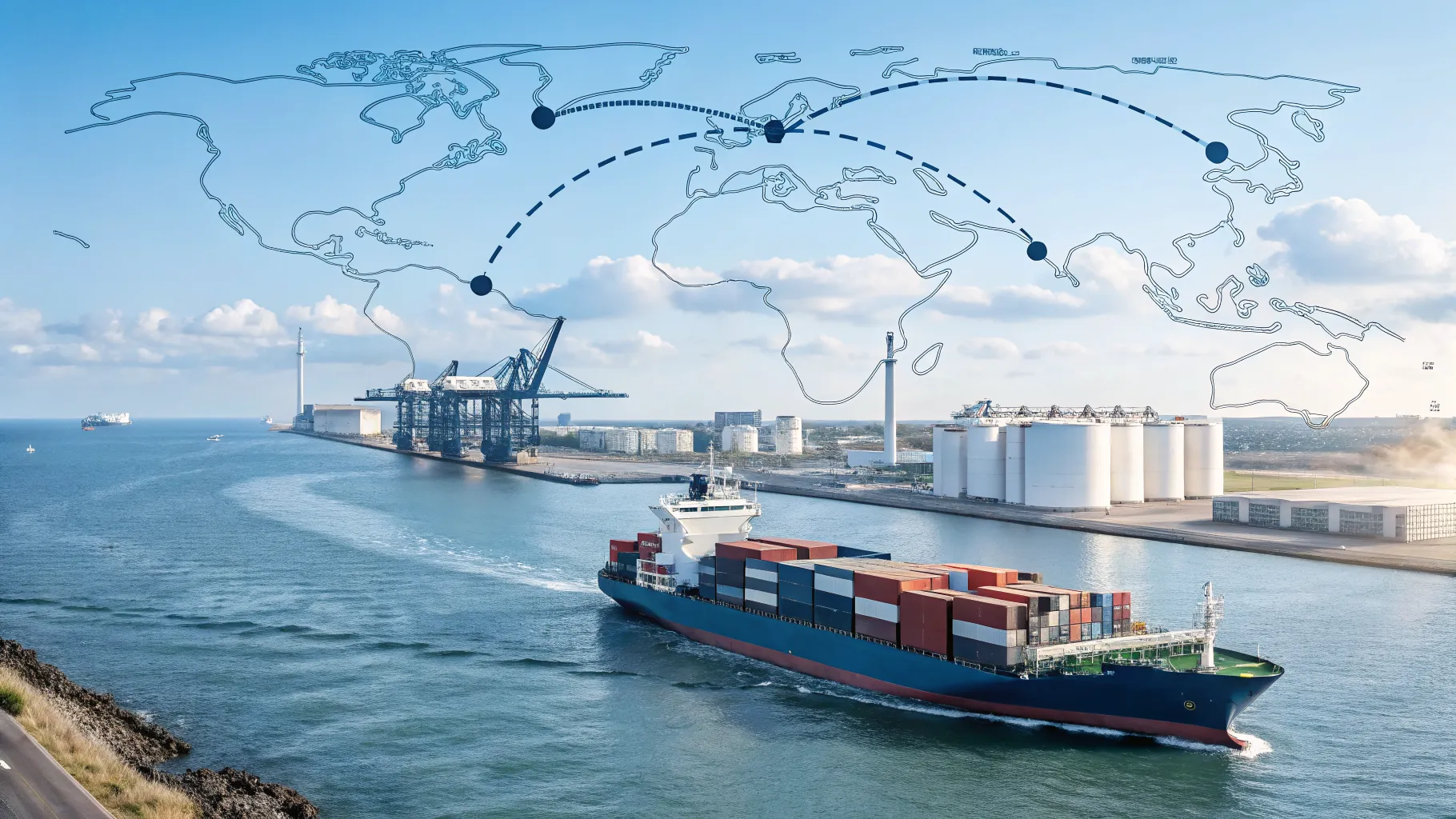
The Iran war’s impact on global fuel prices has pushed Europe to explore alternative trade and energy routes.
Why Prices Jump When the Gulf Heats Up
Europe relies on global oil and liquefied natural gas (LNG), much of which ships near Iran through the Strait of Hormuz or along the Red Sea. Any threat to those lanes forces tankers to reroute, lengthening voyages and lifting freight costs. Insurers demand higher premiums when ship risks rise, which also adds to prices at the pump and for heating.
Oil markets are sensitive to Gulf tension. Even small supply fears can lift benchmark crude. Gas prices in Europe have eased from the crisis peak of 2022, but they remain vulnerable to supply interruptions or long detours around Africa when the Red Sea is not passable.
The European Union has already reduced its reliance on Russian pipeline gas since 2022. According to European Commission and International Energy Agency figures, Russian pipeline flows fell from about 40% of EU gas supply in 2021 to well under 20% by 2023. That change helped, but it also increased exposure to LNG shipping routes that can be disrupted by conflict.
Short-Term Workarounds on Sea and Land
Shipping lines have been sending some vessels around the Cape of Good Hope to avoid high-risk zones. The detour adds weeks to trips and raises costs, but it lowers security risk for crew and cargo.
Energy firms are also spreading supply sources. More cargoes are being booked from the United States and West Africa. European buyers are seeking flexible delivery terms so ships can change course if security conditions worsen.
Rail and road links across Eastern Europe and the Caucasus are under review as backups for containers and refined products. While these routes cannot match ocean capacity, they can support critical goods during spikes in maritime risk.
- Rerouting LNG and oil tankers around Africa when needed.
- Securing extra LNG slots at European regasification terminals.
- Increasing pipeline inflows from Norway, North Africa, and Azerbaijan.
- Using rail links on the “Middle Corridor” through the Caspian region for select cargo.
Europe’s Longer Game: Diversify and Harden Supply
Several governments are accelerating plans that reduce exposure to chokepoints. Italy is working with Algeria and Tunisia on pipeline capacity and electricity interconnectors. Spain, which has large LNG regasification capacity, is positioning to move more gas into France and onward, including by reinforcing cross-border links.
Norway remains a core gas supplier through the North Sea pipelines. The Southern Gas Corridor from the Caspian is slated for gradual expansion, though volumes will not replace seaborne LNG. On oil, European refiners are expanding ties with producers in the North Sea, West Africa, and the Mediterranean.
Renewables also matter. More wind and solar reduce gas demand during peak periods. Grid operators are adding storage and cross-border lines so power can flow where it is needed when fuel shipments slow. Hydrogen projects such as the H2Med corridor are being discussed as future buffers, though they will not help this year.
What It Means for Households and Industry
Price swings hurt families first through petrol and heating bills. Even small, repeated spikes can strain budgets. Governments may consider temporary tax relief or targeted subsidies if costs surge again.
Factories face higher input costs and shipping delays. Chemicals, metals, and automotive firms are most exposed. Some companies are signing longer-term energy contracts to lock in prices and avoid shocks during conflict.
Outlook: Volatility Is the New Baseline
Analysts expect market nerves to persist as long as military risks shadow key sea lanes. Greater reliance on diversified sources could smooth some of the bumps, but shipping security will remain central to price stability.
European leaders are moving on three tracks: secure more varied fuel supplies now, invest in pipelines and grids that bypass risk zones, and cut demand through efficiency and renewables. If they make progress on all three, the next flare-up may sting less.
For now, fuel markets will react to headlines and ship movements in and near the Gulf and Red Sea. Watch for updates on insurance rates for tankers, LNG terminal utilization in Europe, and pipeline deliveries from Norway and North Africa. Those signals will show whether the continent’s new routes can keep energy affordable while conflict simmers.

A seasoned technology executive with a proven record of developing and executing innovative strategies to scale high-growth SaaS platforms and enterprise solutions. As a hands-on CTO and systems architect, he combines technical excellence with visionary leadership to drive organizational success.