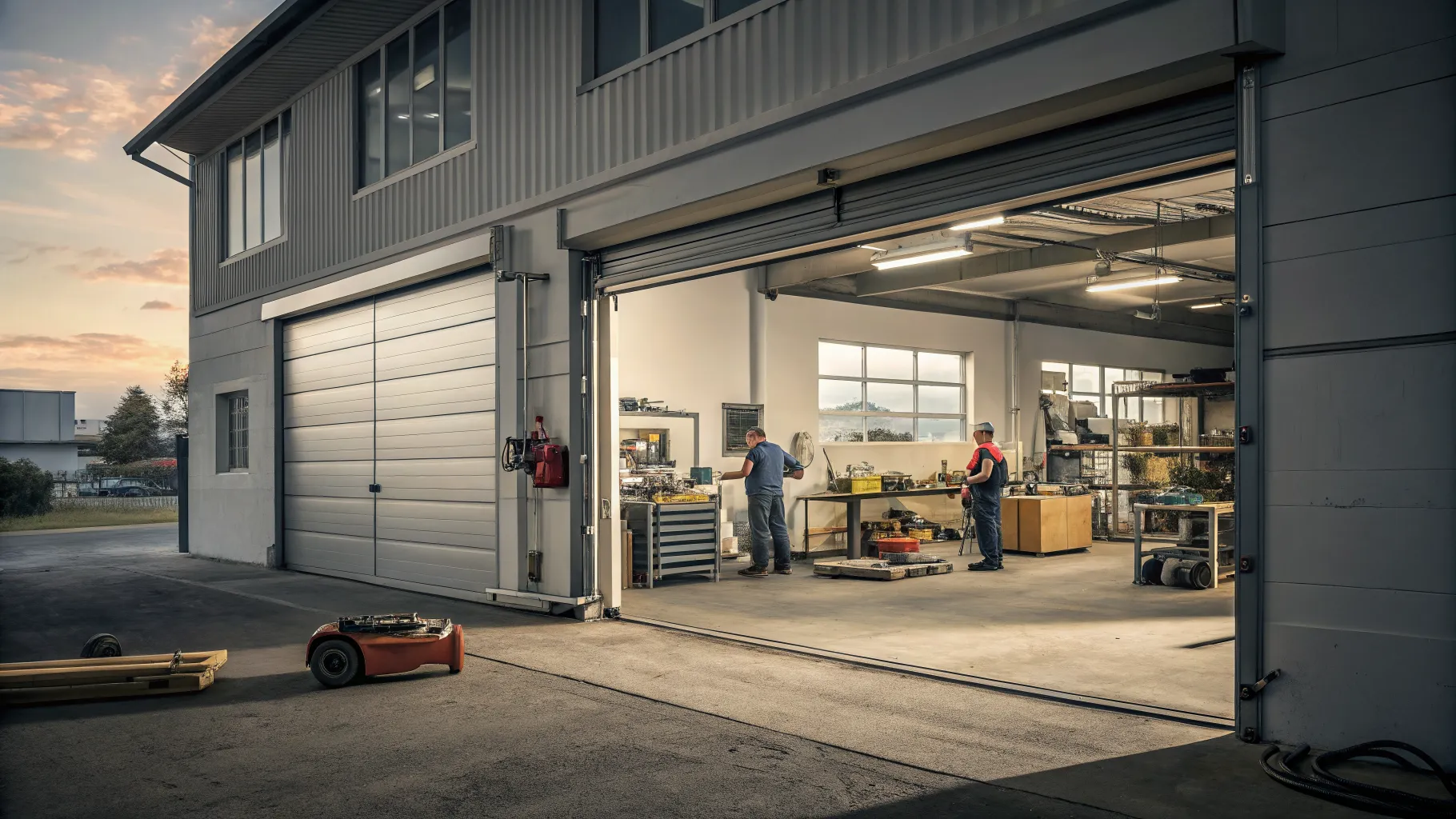
After two decades of building a factory from a garage startup, Shirley Modlin now worries the business may not make it. Her concern mirrors a wider strain in small manufacturing as orders wobble, borrowing costs stay high, and hiring stays difficult.
Modlin launched the company with her husband 20 years ago. She has watched it grow through recessions and recoveries. Today, she is weighing how to keep the doors open and the workforce intact.
A Founder’s Warning
“Shirley Modlin started her manufacturing business 20 years ago in her garage with her husband. Now, she fears the company won’t survive.”
That fear reflects pressure points many factory owners describe. Sales can be uneven. Prices for inputs shift without notice. Banks demand more collateral. Each shock lands hardest on smaller firms with thinner buffers.
Background: Why Small Factories Feel the Squeeze
Manufacturing has moved through repeated shocks in recent years. Supply chains stretched during the pandemic and took time to heal. Freight costs swung up, then down. Energy and materials prices became less predictable.
The Federal Reserve raised interest rates beginning in 2022 to cool inflation. Higher rates lifted the cost of equipment loans and credit lines that small manufacturers rely on. Many firms delayed capital purchases as a result.
Industry surveys have shown periods of contraction in factory activity during the last two years. While some sectors stabilized, the recovery has been uneven by region and product type.
Pressures on Small Shops
Owners like Modlin face a stack of choices that are costly either way. Cutting prices can win orders but erode margins. Holding prices risks losing customers with tighter budgets. Training new workers can take months, while overtime strains current staff.
- Input costs: Metals, resins, and specialty parts can swing with global demand.
- Financing: Higher rates raise monthly payments on equipment and working capital.
- Labor: Hiring and retention remain difficult for skilled roles.
- Orders: Clients place smaller, more cautious orders to manage their own risk.
Larger competitors often have more leverage with suppliers and lenders. They can wait out slow periods. Small firms have less room for error.
Paths Forward: Trim, Invest, or Pivot
Advisers often suggest three routes. The first is cost control. Owners renegotiate supplier contracts, reduce waste on the shop floor, and limit nonessential spending. This helps near term but can stall growth if it cuts into sales or service.
The second path is targeted investment. Upgrading a key machine, adopting simple automation, or installing quality software can lower unit costs. The risk is debt. With higher interest, payback periods stretch longer.
The third option is strategic change. Firms narrow product lines, shift to higher-margin work, or become a contract partner to a larger brand. This can stabilize revenue but may require tough choices about legacy products or customers.
What Industry Voices Are Watching
Analysts note signs that input costs have eased from peak levels. Freight rates have also moderated from pandemic highs. Some reshoring initiatives have brought orders back to regional suppliers, though those gains are uneven.
At the same time, clients demand shorter lead times and stricter quality controls. That often requires investment in measurement tools and digital tracking. Owners must decide which upgrades are essential and which can wait.
Banks report tighter lending standards than before the pandemic. Lenders look closely at cash flow and collateral. That makes planning more important. Clean books, realistic forecasts, and steady receivables can improve odds of approval.
What Comes Next for Modlin and Peers
Modlin’s warning signals a fragile moment. A few good orders, a modest rate cut, or a successful supplier negotiation could steady a small factory. A delayed payment or a lost contract could do the opposite.
For many owners, the next six to twelve months will hinge on discipline and clear priorities: protect cash, keep core customers, and invest only where gains are measurable. Local partnerships, including workforce programs and regional supplier networks, may also help fill gaps.
Modlin built her shop from a garage. That history speaks to grit. Survival now may depend on one more round of careful choices, plus a little steadier ground in the market.

Senior Software Engineer with a passion for building practical, user-centric applications. He specializes in full-stack development with a strong focus on crafting elegant, performant interfaces and scalable backend solutions. With experience leading teams and delivering robust, end-to-end products, he thrives on solving complex problems through clean and efficient code.