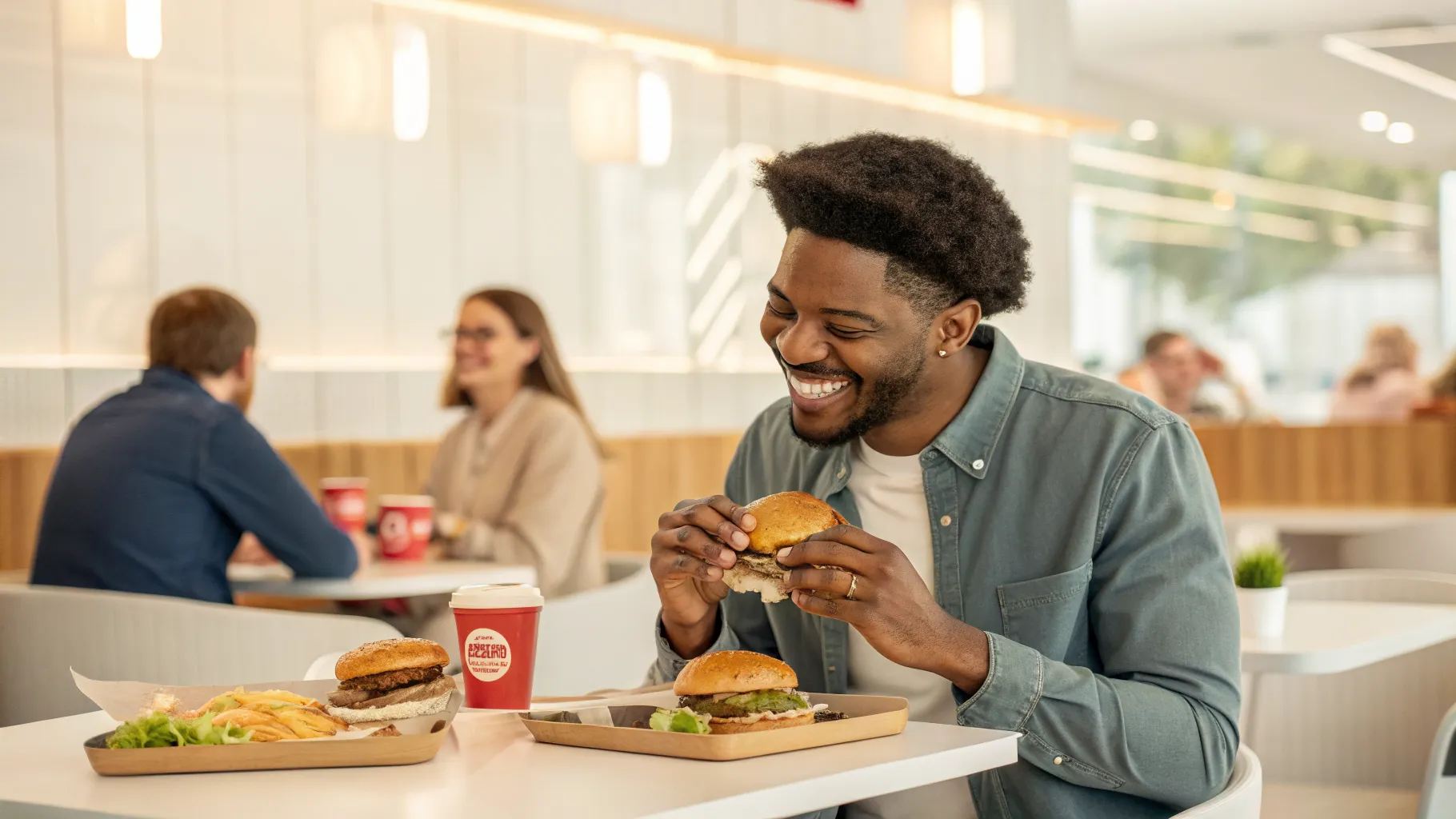
Burger King is crediting its recent gains to a simple premise: ask customers what they want and act on it. President Tom Curtis said the chain’s turnaround has been guided by direct input from diners, a signal that the brand is leaning hard into listening and execution to regain momentum in a crowded fast-food market.
The remarks highlight who is steering the change (Curtis), what is driving it (customer feedback), and why it matters now (sustained improvement after a period of lagging results). The approach sits at the heart of the company’s effort to win back traffic, sharpen its menu, and refresh restaurants across the United States.
“Customer feedback has been central to the chain’s turnaround,” said Burger King President Tom Curtis.
Why Burger King Needed a Reset
Burger King, part of Restaurant Brands International, entered 2022 facing slowing sales and tougher competition on price and speed. The brand launched a multi-year revival plan that included bigger marketing outlays, restaurant remodels, and a tighter focus on its flagship Whopper. The aim was to improve experience and taste, not only spend more on ads.
By 2023 and 2024, company updates pointed to higher same-store sales in the U.S., with executives citing better operations and clearer messaging. The chain also pushed digital ordering and loyalty programs to track preferences and tailor offers. In each case, guest feedback shaped priorities, from drive-thru accuracy to value bundles.
Listening to Guests at Scale
Turning comments into action requires consistent channels and fast loops between stores and headquarters. Burger King has leaned on app reviews, post-visit surveys, social media, and franchisee reports. Patterns in this data guided changes to kitchen flow, staffing at peak times, and the design of limited-time offers.
- App and post-visit surveys to gather ratings and comments
- Drive-thru timing and accuracy data for operational fixes
- Social media monitoring for trends and complaints
- Franchise feedback to surface local issues
Food quality remained a core theme. Guests wanted hotter, fresher sandwiches and consistent build standards. Speed and order accuracy ranked close behind, especially at lunch. Price sensitivity also grew as inflation squeezed household budgets.
Menu Discipline and the Whopper Focus
Customers signaled they wanted fewer, better items. Burger King pared back underperforming offerings and doubled down on its signature burger. This simplified training and improved prep times. It also made promotions clearer. A cleaner menu helped reduce errors, which, in turn, lifted satisfaction scores.
Limited-time offers were reshaped using feedback on flavor, portion size, and value. The chain tested variations in select markets before wider rollouts. This trimmed the risk of nationwide misses and kept the launch calendar tighter.
Franchisees, Frontline Staff, and Execution
Franchise operators translate strategy into daily service. Their input on equipment, staffing, and store layouts fed into remodel plans and maintenance priorities. Employees raised practical concerns—such as placement of prep stations or packaging that slows the line—that informed small but important fixes.
Analysts have long noted that even the best marketing cannot overcome poor execution at the window. Burger King’s shift reflects that lesson. Improvements to training, checklists, and peak-hour scheduling were guided by recurring customer themes rather than one-off complaints.
Price, Value, and the Competitive Squeeze
Rivals have fought for value-seeking guests with meal deals and app-only discounts. Feedback showed Burger King needed clear, simple price points. The company responded with streamlined bundles and targeted digital offers. Balance is key: protect margins while keeping entry-level prices attractive.
Industry data indicates deal-seeking remains strong. Guests want convenience but will switch brands for a better price. That reality keeps pressure on consistency and speed. Feedback loops help the chain adjust offers week by week without confusing customers.
What to Watch Next
The turnaround now depends on keeping the loop between feedback and action tight. Remodeling can lift sales, but only if stores maintain standards afterward. Menu focus can help, but fatigue can set in without seasonal ideas that test well with guests.
Investors and franchisees will watch same-store sales and restaurant-level margins to judge progress. Customers will judge every visit. Curtis’s message points to the path: listen, fix, and keep fixing.
Burger King’s recent progress suggests that consistent attention to what diners say can steady a big brand. The next phase will test whether the company can scale that discipline across more locations and hold gains through economic swings. Expect more data-driven tweaks, tighter promotions, and continued emphasis on the core burger that built the brand.

Rashan is a seasoned technology journalist and visionary leader serving as the Editor-in-Chief of DevX.com, a leading online publication focused on software development, programming languages, and emerging technologies. With his deep expertise in the tech industry and her passion for empowering developers, Rashan has transformed DevX.com into a vibrant hub of knowledge and innovation. Reach out to Rashan at [email protected]