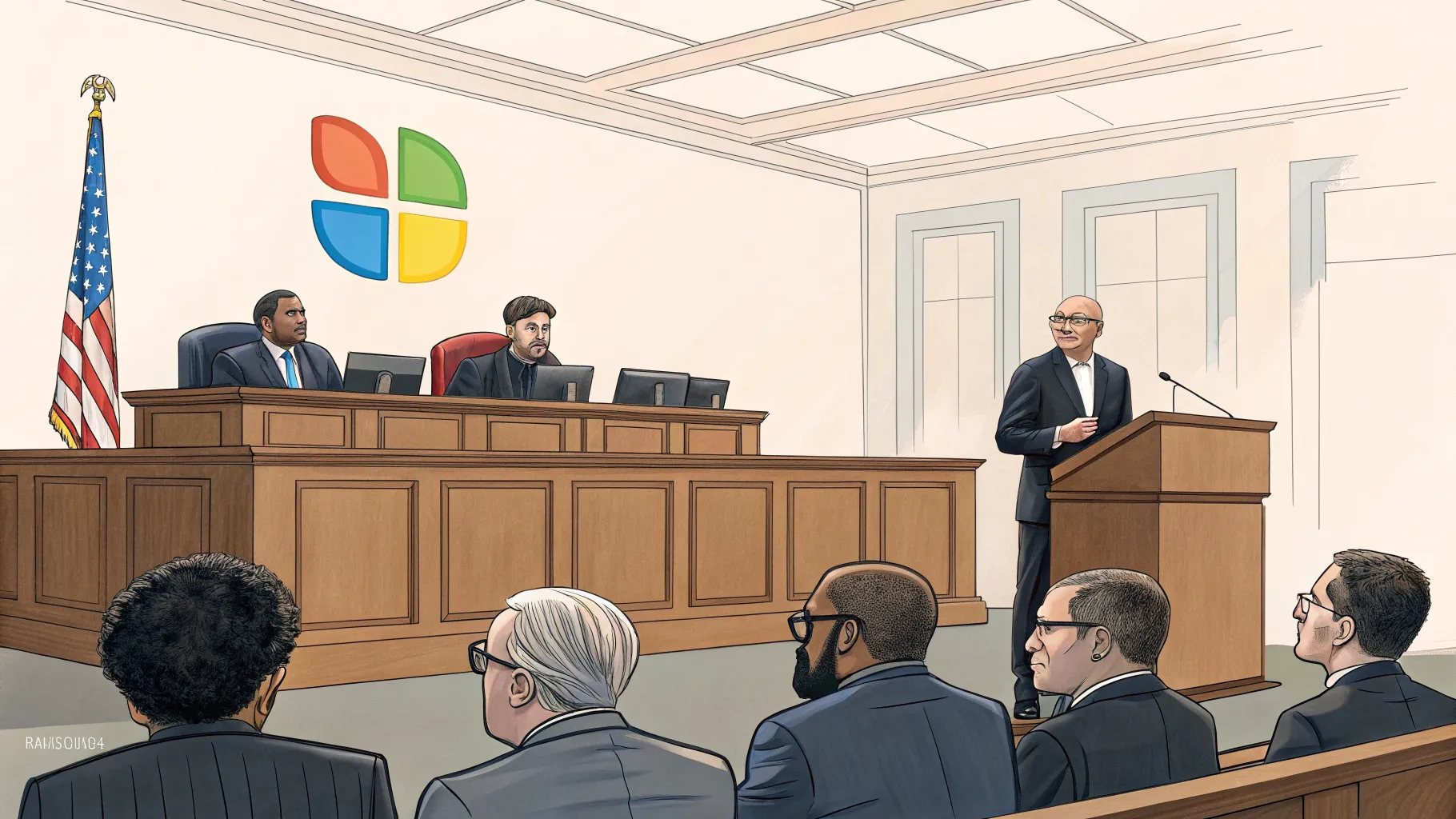
In a closely watched legal fight over control of a leading artificial intelligence startup, top technology leaders have taken the stand this week. OpenAI co-founder Ilya Sutskever and Microsoft CEO Satya Nadella testified in Elon Musk’s lawsuit, with OpenAI’s CEO Sam Altman expected to appear later this week. The proceedings, taking place in California, aim to untangle who guides the company’s mission and who has sway over its most valuable technology.
The case centers on whether the startup stayed faithful to its original mission and governance model or shifted under the weight of rapid growth and major funding. The testimony of executives who helped shape the company’s direction offers a rare look at how power, money, and research priorities collide in modern AI.
How the Dispute Took Shape
OpenAI began in 2015 as a nonprofit research group with a stated goal of advancing AI for the benefit of the public. Elon Musk was an early backer and co-founder. He later stepped away from the organization in 2018. In the years that followed, OpenAI formed a for-profit arm and entered a deep partnership with Microsoft, which poured in billions of dollars and cloud resources.
Musk’s lawsuit argues that the company drifted from its founding structure and purpose. OpenAI and its leaders have said the hybrid structure was necessary to fund the large-scale computing and talent needs required to train modern AI models. The court is now hearing from the very people who influenced those decisions.
Key Testimony and What It Signals
Sutskever’s appearance is notable because he helped define the research agenda during a crucial period of model development. Nadella’s testimony speaks to Microsoft’s role as both investor and strategic partner, including access to cloud infrastructure and the integration of AI tools into widely used products.
Altman’s scheduled testimony may address how leadership weighed safety, access, and revenue needs. His comments could clarify whether the company’s current structure still serves a public mission while enabling the scale needed to compete.
- Sutskever: Insight into research choices and internal governance.
- Nadella: Details on funding, cloud access, and product integration.
- Altman: Perspective on mission, oversight, and future plans.
Why the Stakes Are So High
The outcome could affect how AI labs are financed and governed. Training large models requires costly data centers, specialized chips, and rare expertise. That has pushed research groups toward deep ties with major tech firms. Supporters say such deals speed progress and widen access to advanced tools. Critics worry that concentrated power could narrow oversight and tilt priorities toward profit.
Microsoft’s involvement also raises questions for rivals. If one cloud provider becomes the default home for a flagship AI model, that can sway software markets and developer ecosystems. Smaller labs, meanwhile, face pressure to either seek similar backers or risk falling behind.
Legal and Policy Questions
The court is weighing contracts, governance documents, and board decisions. At issue is whether commitments made during the nonprofit era bind the current for-profit structure. The case also touches on fiduciary duties, nonprofit law, and the limits of investor influence in mission-driven organizations.
Regulators and lawmakers are watching. If the court clarifies how mission and profit can co-exist in AI research, it may shape future corporate designs. It could also inform debates over transparency, safety reviews, and information-sharing for high-impact models.
What to Watch Next
Altman’s testimony could bring new details on how leadership balances safety commitments with commercial deals. Any disclosures about model access, licensing terms, or safety guardrails will matter to developers and enterprise customers.
Observers are also tracking whether the case ends in a court ruling or a settlement. A settlement could set private guardrails for governance. A ruling could set a public marker for future AI ventures.
As the trial continues, the core issue is simple but weighty: who gets to decide how a powerful AI system is built, controlled, and shared. The answer will shape research funding, competition in cloud computing, and the tools that reach schools, offices, and governments. For now, the courtroom is the forum where the industry’s next chapter is being written, one witness at a time.

Deanna Ritchie is a managing editor at DevX. She has a degree in English Literature. She has written 2000+ articles on getting out of debt and mastering your finances. She has edited over 60,000 articles in her life. She has a passion for helping writers inspire others through their words. Deanna has also been an editor at Entrepreneur Magazine and ReadWrite.