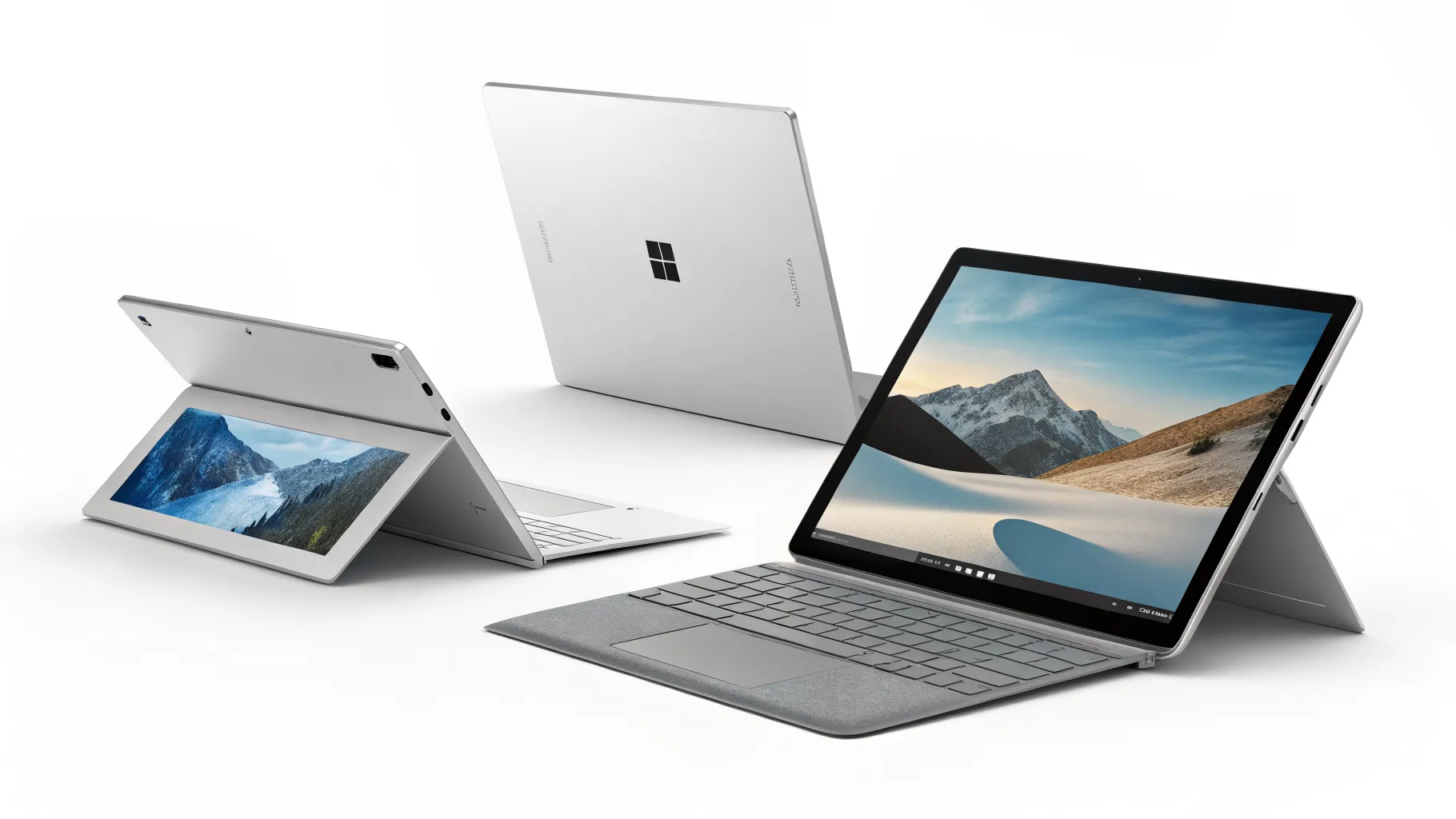
Microsoft has introduced three new Intel-based Surface devices aimed at business customers, underscoring a push to serve corporate IT needs while drawing attention for their steep prices. The refresh arrives as companies weigh device upgrades, security demands, and budget limits at a time of careful spending.
The devices are positioned for workplaces that need familiar x86 performance and strong manageability. They target deployment this year across industries that rely on Windows and legacy applications. But the launch also raises a simple question for procurement teams: are the premium prices justified by long-term value?
“Three new Intel-powered Surface devices arrive for businesses, but they all have high price tags.”
Why Business Buyers Still Care About Intel
Corporate IT teams often prefer Intel chips because they support wide software compatibility and established management tools. That helps reduce headaches during large rollouts. Many firms still depend on apps built for x86 systems, especially in finance, healthcare, and public services.
Intel-based systems also integrate with common enterprise features, such as firmware-level protections and remote management options. Those functions support zero-touch deployment and fleet monitoring, which can lower operational costs over time.
Analysts say these factors matter most during refresh cycles, which often run three to five years. Reliability and support terms can outweigh raw performance gains for many buyers.
Sticker Shock Meets Total Cost Math
Price is the headline. Business-grade devices often carry higher costs due to premium materials, enterprise warranties, and security hardware. The new Surface models appear to follow that pattern. For finance leaders, the key question is the total cost of ownership over the life of the device.
IT leaders will evaluate:
- Performance stability for core apps and virtual meetings.
- Battery life and thermals in day-long workflows.
- Security features that meet compliance needs.
- Manageability, imaging, and remote support tools.
- Serviceability and parts availability for repairs.
If these devices reduce downtime, streamline deployment, and cut support tickets, they can justify higher purchase prices. But firms comparing offerings from Dell, HP, and Lenovo will review service plans and configuration flexibility before committing.
Security and Manageability Drive Enterprise Interest
Dedicated security features are likely a core selling point. Business Surfaces historically include enterprise-grade protections, firmware controls, and optional enterprise warranties. Combined with Microsoft’s software stack, that can create a consistent environment for IT teams.
Manageability is just as important. Many companies want devices that integrate smoothly with endpoint tools, identity systems, and compliance checks. If the new devices build on past Surface for Business features, they may reduce set-up time and improve monitoring across fleets.
Competition, Timing, and the ARM Question
Competitors are also pushing thin-and-light business laptops with strong build quality and longer support windows. Price-sensitive buyers will test the market to see where the best value lands. The timing of this release hits as many firms plan post-pandemic refreshes and prepare for upcoming Windows updates.
The launch also sits against a broader shift toward ARM-based PCs. Those devices promise gains in battery life and on-device AI acceleration. Even so, many enterprises remain cautious due to app compatibility and tooling needs. The continued focus on Intel points to steady demand for x86 in regulated and specialized settings.
What This Means for IT and Finance Teams
High upfront prices could slow approvals, especially for small and midsize businesses. Larger firms may trial a small batch to test manageability, app support, and user satisfaction before wider rollout. Procurement teams will push for volume discounts and extended service terms to spread costs.
For Microsoft, winning in business often depends on warranties, support, and integration with its software stack. If these devices deliver fewer support calls and stronger security baselines, they may find a receptive audience.
The new Intel Surfaces arrive with confident positioning and premium pricing. Their success will rely on measurable gains in manageability, security, and long-term reliability. Buyers will watch real-world reviews, repairability reports, and service experiences over the next few quarters. If the devices meet those marks, the price may look like a trade-off rather than a hurdle. If not, rivals with lower costs and similar specs will be ready to step in.

Rashan is a seasoned technology journalist and visionary leader serving as the Editor-in-Chief of DevX.com, a leading online publication focused on software development, programming languages, and emerging technologies. With his deep expertise in the tech industry and her passion for empowering developers, Rashan has transformed DevX.com into a vibrant hub of knowledge and innovation. Reach out to Rashan at [email protected]