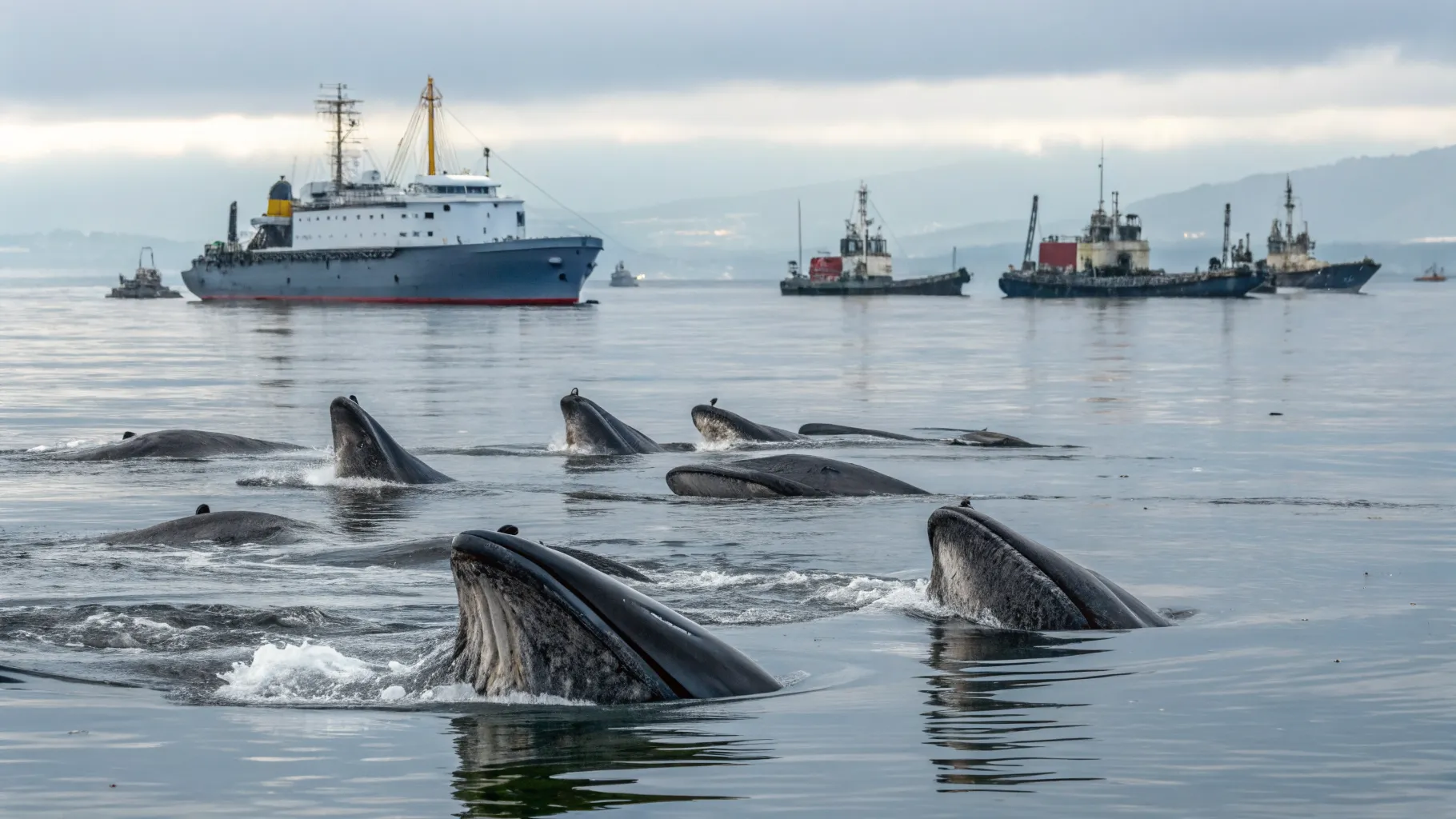
Starving gray whales are entering the San Francisco Bay in unusual numbers, and ship traffic is taking a deadly toll. Last year, 21 whales were found dead in the region, and at least 40% were killed by ship strikes. The spike underscores how a warming ocean is reshaping whale behavior and exposing them to new hazards close to shore.
The shift has immediate and high-stakes consequences. The bay is a busy corridor for cargo ships, ferries, and recreational boats. As whales linger longer in nearshore waters, the chances of dangerous encounters rise. Marine scientists warn that the drivers are both environmental and human-made, with climate change altering food supplies and vessel activity compounding the risk.
“Climate change is pushing starving gray whales into the San Francisco Bay in unusual numbers, where ship strikes killed at least 40% of the 21 whales found dead last year.”
Changing Seas, Changing Routes
Gray whales typically migrate thousands of miles along the Pacific coast. They travel between breeding grounds in Mexico and feeding areas in colder northern waters. In recent years, warmer conditions and shifting prey have likely made food harder to find at sea.
When food is scarce, whales spend more time foraging in coastal zones. The bay can offer temporary shelter and pockets of prey. But the same waters host heavy maritime traffic. That overlap increases the chances of collision and other stressors, such as noise.
A Deadly Intersection With Shipping
The confirmation that at least 40% of last year’s whale deaths involved ship strikes points to a clear threat. Large vessels may not detect whales at the surface in time to avoid impact. Smaller boats can also injure whales, especially if operators do not spot them early.
Mariners have long relied on speed limits, lookout protocols, and routing guidance to reduce risks to wildlife. Experts often recommend slower speeds in areas where whales are known to feed or rest. Slower speeds give crews more time to react and can lessen the severity of any collision.
- Lower vessel speeds reduce strike risk and harm.
- Advance warnings help boaters steer clear of active whale zones.
- Public reporting of sightings can guide real-time advisories.
Food Stress and Health Concerns
Reports of “starving” whales suggest poor body condition and limited prey. When whales are underfed, they may take greater risks and venture into new areas. Prolonged hunger can weaken immune systems and increase mortality from other causes.
Scientists have previously linked prey shifts to warming trends and changes in sea ice and ocean productivity. If prey availability continues to fluctuate, nearshore foraging may become more common. That could lock whales into recurring danger near ports and shipping lanes.
Balancing Commerce and Conservation
San Francisco Bay is vital to regional and national trade. Any change to vessel operations carries economic costs. At the same time, public interest in protecting marine life runs high. Port authorities, shipping companies, and conservation groups often share a common goal: fewer strikes and healthier ecosystems.
Potential responses include seasonal slow zones during peak whale presence, better training for vessel crews, and stronger outreach to recreational boaters. Transparent monitoring and timely data can help decision-makers target actions to the highest-risk areas without unnecessary disruption.
What Comes Next
The numbers from last year signal an urgent challenge. If climate pressure on prey continues, whale visits to the bay may persist. That would make strike prevention a recurring priority for agencies and mariners.
Key steps to watch include expanded speed recommendations, improved real-time whale alerts, and coordinated patrols during migration peaks. Continued necropsies and stranding data will show whether actions are working and where gaps remain.
The latest deaths offer a stark metric. Without better protections in busy waters, more gray whales could be lost on their search for food. Aligning science, policy, and shipping practices will determine whether future migration seasons bring recovery or more preventable losses.

A seasoned technology executive with a proven record of developing and executing innovative strategies to scale high-growth SaaS platforms and enterprise solutions. As a hands-on CTO and systems architect, he combines technical excellence with visionary leadership to drive organizational success.