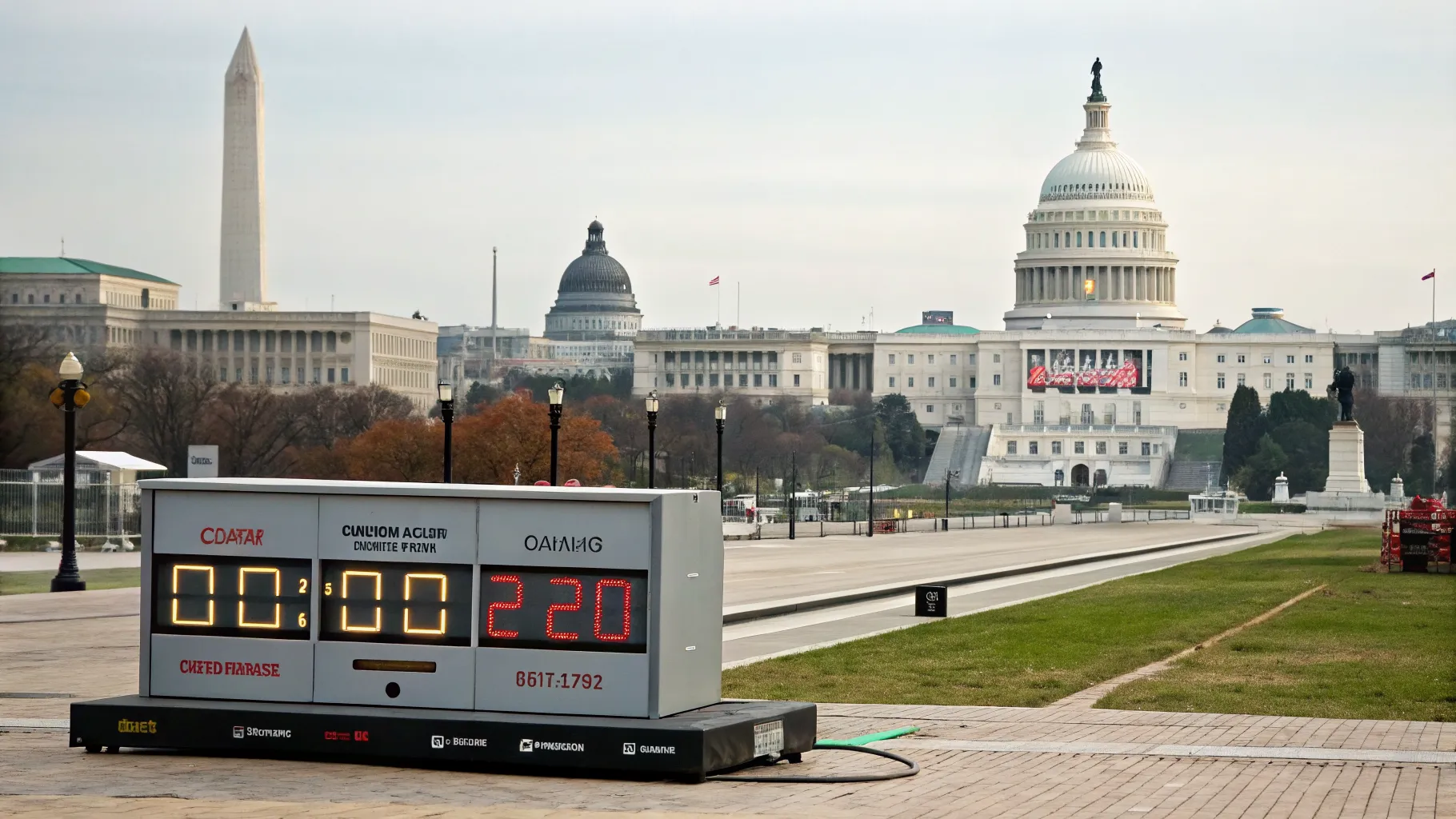
The race to secure data against future quantum attacks is entering a critical phase, yet most organizations remain behind. Governments, banks, hospitals, and tech firms are facing a deadline they cannot predict with precision but cannot afford to miss.
Experts warn that a large-scale quantum computer could break common encryption used to protect the internet, financial transactions, and national security systems. The shift to new protections is under way in the United States and abroad, but the timeline and pace vary widely. The stakes are high because sensitive data stolen now could be decrypted later.
What Is Q-Day and Why It Matters
Q-Day is shorthand for the moment a quantum computer can crack widely used public-key algorithms such as RSA and ECC. On that day, core tools that secure web traffic, software updates, and digital identities may fail.
“The day when a quantum computer manages to break common encryption, or Q-Day, is fast approaching, and the world is not close to being ready.”
That warning reflects a growing concern across industry and government. While no one has demonstrated such a machine, planning must start years in advance because cryptography is deeply woven into networks, devices, and supply chains.
A Long Migration Meets Short Timelines
Planning and replacement can take five to ten years for large enterprises, according to standards bodies and industry groups. Every device, application, and vendor connection must be inventoried, tested, and upgraded. Many organizations still do not know where all cryptography is used in their systems.
The U.S. National Institute of Standards and Technology has selected quantum-resistant algorithms and begun publishing federal standards. Agencies and contractors are drafting plans to adopt them. The National Security Agency has set updated requirements for national security systems, with near-term milestones for planning and later deadlines for full deployment.
Europe and Asia are moving as well. Standards groups, including ETSI and ISO, are preparing guidance for telecom networks and embedded devices. Cloud providers have started pilot services using quantum-safe protocols for key exchange and digital signatures.
High-Risk Sectors and Data at Risk
Some information must remain secret for decades. Defense plans, health records, and personal identifiers fall into that category. Attackers can steal encrypted material now, store it, and wait for the means to unlock it.
- Financial services: payments, trading systems, and customer records.
- Healthcare: patient data and device updates.
- Government: sensitive communications and identity systems.
- Critical infrastructure: power grids, transport, and industrial control.
Supply chains add another layer of exposure. A single outdated certificate or firmware signer can create a weak link for thousands of customers.
Debate Over Risk and Timing
There is no agreement on when Q-Day will arrive. Some researchers suggest it could be more than a decade away given current hardware limits. Others argue that steady advances in qubit quality, error correction, and scaling could shorten that horizon.
Security leaders balance these views with a simple test: the shelf life of their data. If exposure risk lasts longer than the time needed to migrate, action is urgent now. Many are choosing to act based on this risk model rather than wait for exact predictions.
Adoption Hurdles and Early Moves
Cost and complexity are major barriers. Legacy systems may need redesign. Vendors must update products and then certify interoperability. Small organizations lack in-house cryptographic expertise and rely on external guidance.
Some practical steps are gaining traction. Crypto inventories, often called cryptographic bill of materials, help teams find where algorithms are embedded. Hybrid approaches that pair classical and quantum-resistant methods allow testing without losing current protections. Companies are also rotating keys more often to reduce exposure.
What to Watch Next
Key milestones will shape adoption: finalization of standards, certification programs for hardware security modules and smart cards, and default support in major browsers, operating systems, and cloud platforms. Procurement rules from governments and large buyers will likely drive vendor compliance.
Incident reporting may also shift. Regulators could ask firms to disclose “harvest now, decrypt later” thefts, even if data is still unreadable today. That would bring new visibility—and pressure—to move faster.
The warning about Q-Day highlights a simple reality: migration will take years, and the clock is already ticking. The latest standards and guidance offer a path, but execution is uneven. Organizations that start with an inventory, pilot quantum-resistant options, and push vendors for timelines will be better positioned. The wider public should expect steady, behind-the-scenes changes in how data is protected. The next phase will test whether planning can outpace the threat.

Kirstie a technology news reporter at DevX. She reports on emerging technologies and startups waiting to skyrocket.