Founders Fund has invested $220 million in Halter, a cattle management startup known for virtual fencing and smart collars, betting that high-tech grazing tools can scale across global livestock markets. The move signals fresh momentum for agricultural technology as farmers seek higher margins, labor savings, and improved environmental performance.
“Why did Founders Fund invest $220 million in cattle management startup Halter?”
The answer lies in a mix of market size, proven field use, and a clear path to recurring revenue. The company’s system aims to automate daily herd movements, optimize pasture use, and cut fuel and labor costs. The investment adds heft to a sector where hardware and software meet on-farm needs.
Background: Tech Meets Pasture Management
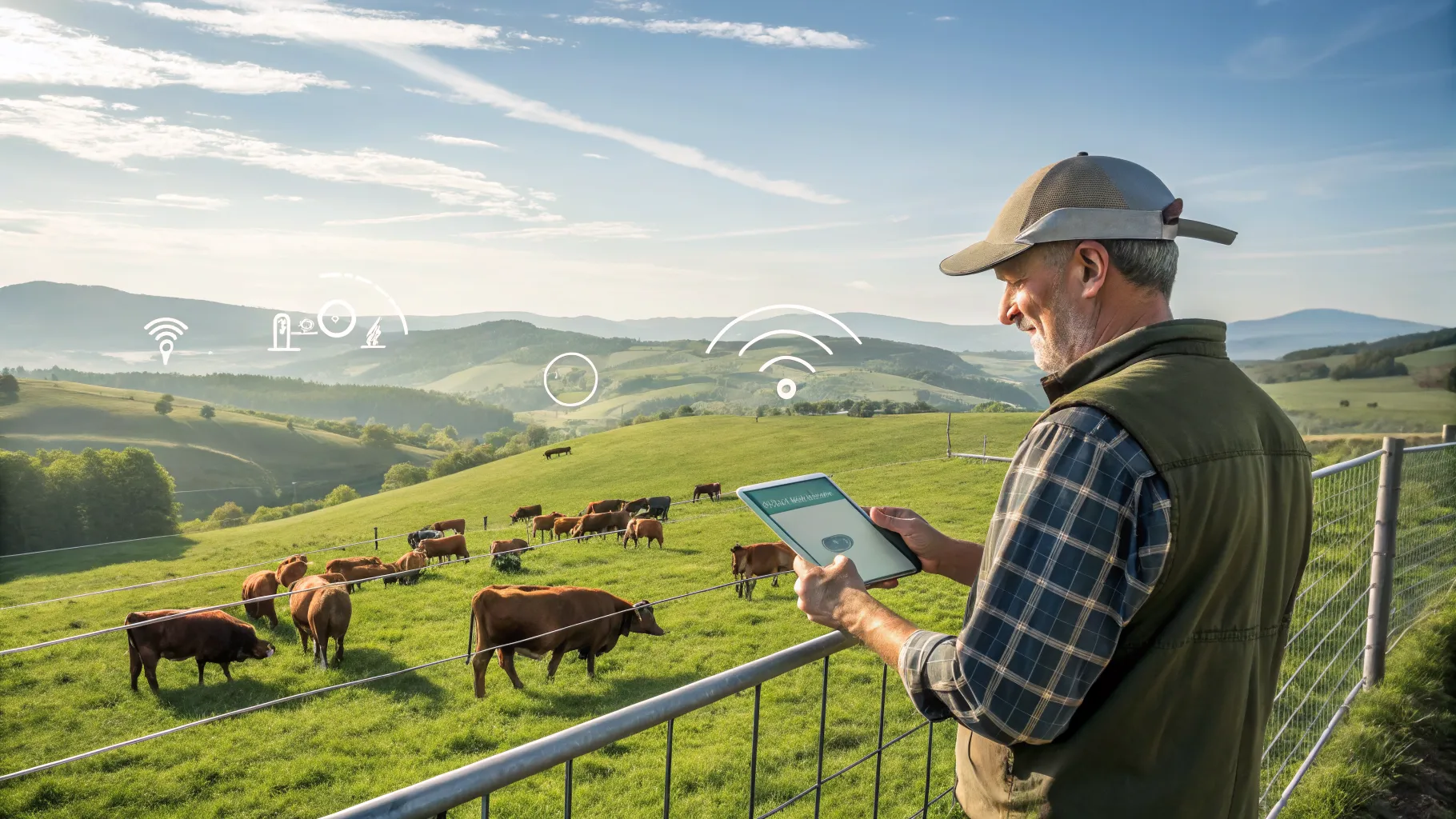
Halter emerged from New Zealand’s dairy heartland, where grazing efficiency is central to farm profit. Virtual fencing replaces physical fences with collar cues, allowing farmers to move herds by phone. The model blends device sales with subscriptions for analytics and planning.
Livestock is a major share of farm income in many regions. It is also a large source of greenhouse gases. The UN’s Food and Agriculture Organization estimates livestock supply chains account for about 14.5% of global emissions. Investors see tools that improve grazing plans and feed use as a route to lower emissions intensity and better returns.
Agtech has struggled with slow adoption in the past due to connectivity gaps and tight farm budgets. But virtual fencing has gained ground as farmers report faster rotations, fewer hours on quad bikes, and more precise paddock use.
Why This Bet Makes Sense
The investment thesis is anchored in three parts. First, the market is large and under-digitized. Most cattle still rely on fixed fences and manual labor. Second, the product serves daily jobs on the farm, which can drive stickiness. Third, the model blends hardware margin with ongoing software revenue, improving predictability.
- Labor savings: automated moves cut mustering time and fuel use.
- Pasture gains: tighter rotations can lift grass use and milk or weight output.
- Safety: fewer vehicle hours reduce on-farm injury risk.
The firm’s backers likely weighed evidence from New Zealand and early export markets. If unit economics hold at scale, the system can spread across dairy and beef herds in the United States, Australia, and Europe.
How It Could Change Farm Operations
Virtual fencing lets farmers draw temporary paddocks, shift break lines by hour, and protect waterways without new posts or wires. This supports rotational grazing and recovery windows for grass. It may also help keep cattle out of sensitive areas to meet regional rules.
The collars collect location and movement data. Software turns that into feeding plans, time-on-pasture reports, and alerts. That data can help farmers match grass growth to herd demand, which supports margins in a low-price season.
Competition, Constraints, and Risk
Halter is not alone. Vence, a virtual fencing startup, was acquired by Merck Animal Health. Norway’s Nofence offers similar collars in Europe. Competition can validate the category but increases pressure on pricing and support.
Challenges remain. Rural connectivity is uneven. Hardware costs must pencil out for cow-calf and dairy herds with thin cash flow. Animal welfare and training protocols require careful oversight. Regulators in some countries still review the method, which can slow expansion.
Weather can complicate adoption. Drought shifts grazing plans and can cut pasture growth. Farmers may delay new tech purchases in volatile seasons, even if tools promise savings.
Climate and Investor Interest
Investors are looking for tools that improve profit while meeting climate and water rules. Better grazing can increase ground cover and reduce runoff. While collars do not measure methane, feed and pasture planning can influence emissions per liter of milk or kilogram of beef. That link is getting more attention from retailers and banks setting supply chain targets.
For venture firms, agriculture offers long sales cycles but sticky customers once systems are embedded. A large check suggests confidence in manufacturing scale, service networks, and churn control. It also suggests an eye on public or strategic exit paths as animal health firms expand digital lines.
The investment raises the stakes for tech on the farm. The next phase will test whether Halter can maintain collar reliability, deliver rapid support, and expand in markets with different grazing styles. Watch for regulatory updates, proof of multi-year retention, and independent studies on animal welfare and pasture outcomes. If those pieces hold, the deal could mark a shift from pilot projects to mainstream use across cattle operations.

A seasoned technology executive with a proven record of developing and executing innovative strategies to scale high-growth SaaS platforms and enterprise solutions. As a hands-on CTO and systems architect, he combines technical excellence with visionary leadership to drive organizational success.