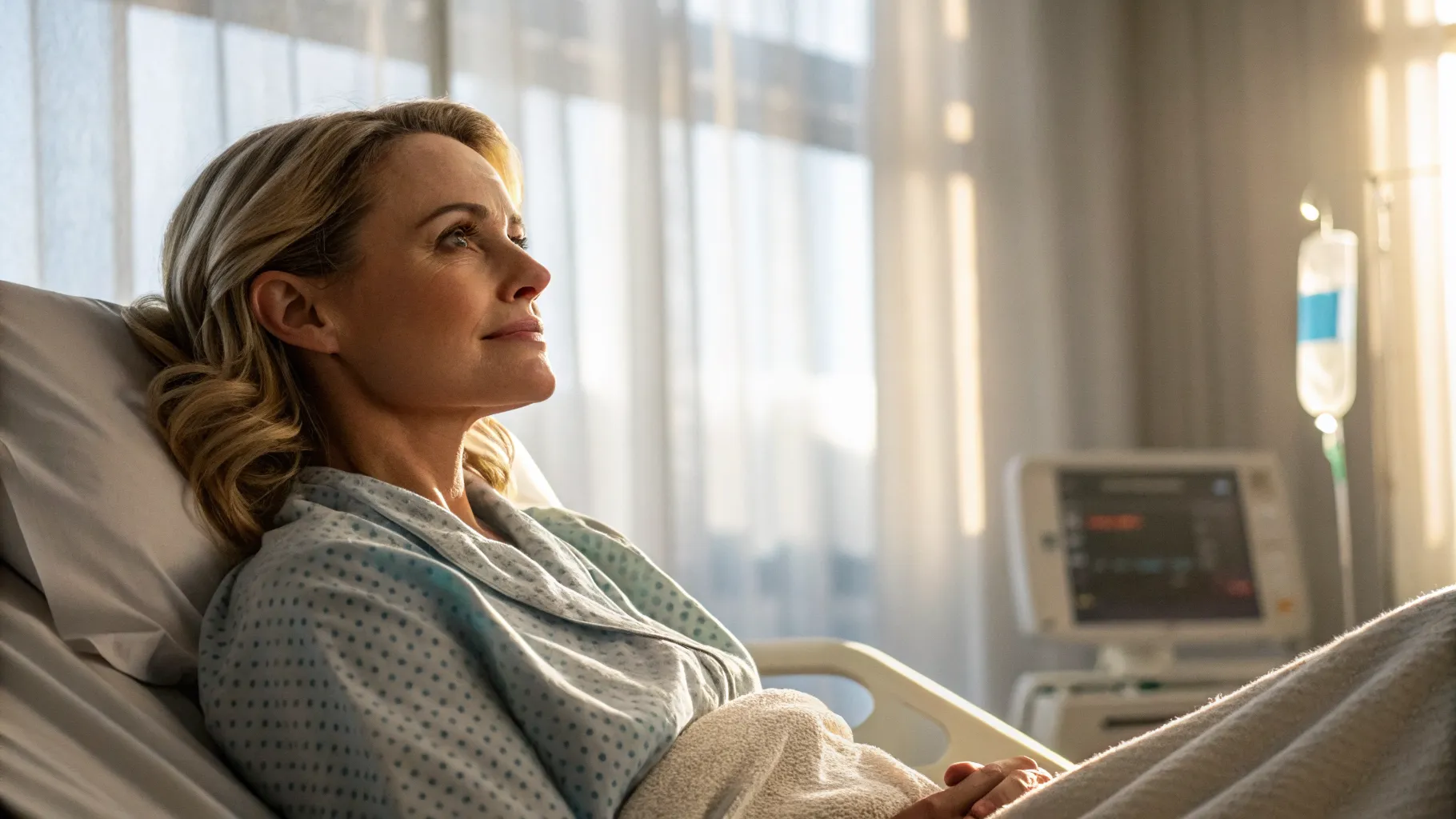
An Australian woman, identified as Leah Stewart, is no longer in critical condition after a recent medical emergency, but she has not yet regained the use of her hand. The update signals a turn toward recovery while raising new questions about treatment, rehabilitation, and the long path many patients face after leaving intensive care.
“Australian woman Leah Stewart no longer in critical condition but doesn’t yet have use of her hand.”
The shift from critical care to a more stable condition is a key step. Yet functional loss can linger for weeks or months, depending on the cause and severity of injury, surgery, or nerve involvement. For Stewart, the focus now appears to be on restoring mobility and strength, a process that often relies on targeted therapy and careful medical follow-up.
What We Know About Her Condition
The primary development is that Stewart’s life is not in immediate danger. However, the statement indicates her hand function is currently impaired. That could stem from trauma, nerve damage, swelling, or post-surgical effects. Without further details, doctors typically prioritize pain control, swelling reduction, and protection of injured tissues before advancing to active rehabilitation.
Loss of hand function can affect daily tasks such as gripping, typing, cooking, and personal care. The first days after stabilization usually involve assessment by clinicians who measure sensation, range of motion, and strength. Those evaluations shape the therapy plan and guide expectations for recovery.
Understanding Hand Function Recovery
Hand recovery often unfolds in stages. Early goals focus on preserving movement and preventing stiffness. If nerves are affected, sensation and fine motor skills may take longer to return. In many cases, progress is gradual and uneven, with frequent reassessments.
- Early care: control pain and swelling, protect tissues.
- Therapy start: gentle range-of-motion and positioning.
- Strength building: progressive exercises and grip work.
- Function training: daily tasks, coordination, and dexterity.
- Follow-up: adjust treatment based on measurable gains.
Specialists may also monitor for complications such as nerve compression, infection after surgery, or complex regional pain syndrome. If identified early, these issues can be managed to support better outcomes.
Rehabilitation Pathways and Access
As patients transition out of critical care, access to hand therapy becomes essential. Occupational therapists and physiotherapists guide movement patterns, splinting, and home exercises. The intensity and frequency of sessions vary with need and location. Some patients benefit from specialized hand therapy centers, while others receive community or home-based care.
Adherence to therapy, family support, and clear communication between surgeons, therapists, and primary doctors can influence recovery. Consistent home practice often improves strength and coordination, especially when supervised programs are limited by scheduling or distance.
Multiple Viewpoints on the Road Ahead
Clinicians caution that timelines for regaining hand use are hard to predict. They point to the importance of early, tailored therapy and patience through plateaus. Patient advocates stress the need for accessible rehabilitation and mental health support, noting the emotional strain of functional loss.
Therapists emphasize careful pacing. Overexertion can set back progress, while inactivity can cause stiffness and weakness. Families often play a key role, helping with exercises, transportation, and encouragement during slower phases of recovery.
What Comes Next
For Stewart, the next weeks are likely to focus on evaluation and structured rehabilitation. Clear goals—such as improved grip strength or the ability to perform a specific task—can help track progress. If strength or sensation does not return as expected, doctors may order further tests or adjust treatment.
The update that she is out of critical condition is good news. The remaining challenge is regaining function, which often requires time, discipline, and coordinated care. Readers can expect further updates as her treatment team refines the plan and monitors how her hand responds.
For now, the key takeaway is that survival is no longer in question, but recovery is ongoing. Attention will turn to therapy access, steady practice, and regular clinical review. Future updates may clarify the cause of the impairment, her response to therapy, and the timeline for returning to everyday tasks.

Deanna Ritchie is a managing editor at DevX. She has a degree in English Literature. She has written 2000+ articles on getting out of debt and mastering your finances. She has edited over 60,000 articles in her life. She has a passion for helping writers inspire others through their words. Deanna has also been an editor at Entrepreneur Magazine and ReadWrite.