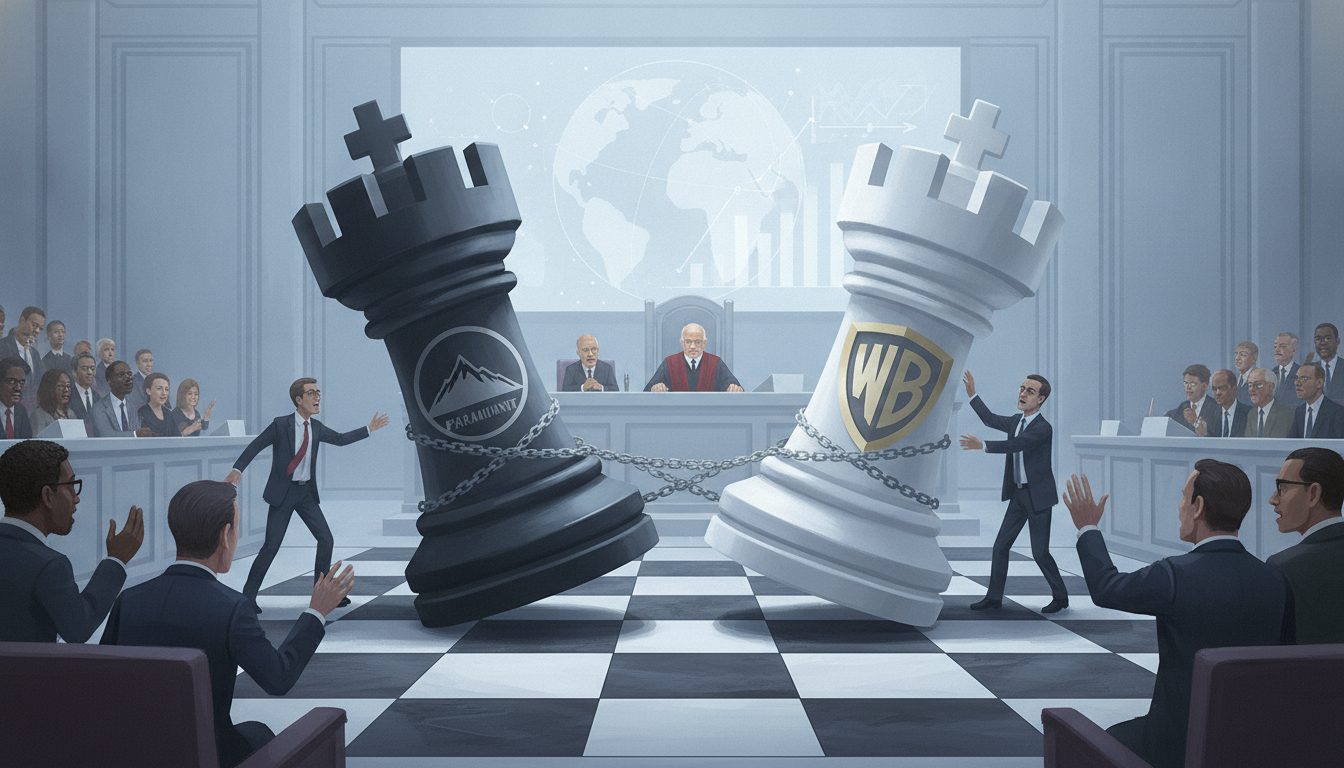
A high-stakes court fight has begun over Paramount’s attempt to take over Warner Bros. Discovery, the owner of CNN. The clash, now moving through legal channels, could reshape the U.S. media market. It raises questions about competition, streaming strategy, and the future of pay TV. Regulators and investors are watching closely as the case unfolds.
The dispute touches two of the largest content libraries in entertainment. It also reaches into news, sports, and streaming. The outcome may affect consumers, employees, and advertisers across the country.
A legal battle over Paramount’s takeover of Warner Bros. Discovery, CNN’s parent company, is underway.
How the Companies Got Here
Warner Bros. Discovery formed in 2022 after Discovery combined with WarnerMedia. The result brought HBO, Warner Bros. Pictures, and CNN under one roof. Paramount Global emerged from the 2019 reunion of CBS and Viacom, bringing together Paramount Pictures, CBS, Nickelodeon, MTV, and Showtime. Both companies have pushed into streaming while trying to protect cable networks that still bring in cash.
Media consolidation has a long history. Disney bought most of 21st Century Fox in 2019. AT&T’s purchase of Time Warner faced a major antitrust trial before it closed, then AT&T later spun off those assets into what became Warner Bros. Discovery. Each deal drew scrutiny over market power and consumer choice.
Antitrust and Regulatory Questions
Any move to combine Paramount and Warner Bros. Discovery would face a close review from the Department of Justice or the Federal Trade Commission. The key issue is whether fewer big players would reduce competition in TV distribution, sports rights, and streaming subscriptions.
Antitrust lawyers often look at how a merger could raise prices or limit options. They also examine impact on workers in production, writers rooms, and technical roles. Sports rights and news reach are special pressure points because they drive large audiences and advertising.
- Would the deal reduce bargaining power for distributors and advertisers
- Could it push up licensing fees for rival platforms
- Might it lead to fewer diverse voices in news and entertainment
What the Lawsuits May Claim
Legal battles over large media tie-ups often include antitrust claims and shareholder suits. Shareholders may argue the price is unfair or the process was flawed. Antitrust claims focus on harm to consumers or rivals. Labor groups could weigh in on job cuts. State attorneys general sometimes join these cases if they see harm to local markets.
Courts consider market share, likely efficiencies, and whether any promises can fix harms. Companies may offer to sell assets, limit exclusivity, or keep networks available to outside distributors. Judges weigh those promises against the risk of lasting damage to competition.
Industry Impact and Streaming Strategy
Streaming growth has slowed while costs remain high. A larger combined company could cut costs by sharing technology, consolidating marketing, and reducing overlapping networks. But those savings can come with layoffs and fewer projects. Consumers could see fewer competing services and more content bundled under one app.
Sports rights are another flashpoint. Paramount has NFL and soccer packages. Warner Bros. Discovery has NBA, NHL, and March Madness rights through partnerships. A merger could reshape bidding and drive up costs for rivals, or it could centralize rights in ways that frustrate fans. Regulators will study this area closely.
Voices From the Debate
Deal supporters often argue that scale is needed to compete with tech giants. They say a larger studio can fund more programming and deliver a better streaming product. Critics warn that fewer major studios mean less choice and more leverage over prices, creators, and distributors.
Analysts say the legal test will hinge on how the combined firm would act in core markets like pay TV, streaming, and advertising. Courts have recently shown a tougher stance on large mergers in several sectors. That trend could shape how this case proceeds.
What Comes Next
Early stages often involve requests for documents, expert reports, and hearings on fast-track relief. Regulators may seek to pause integration while they review. The companies could propose asset sales or other fixes to address concerns. If talks fail, a full trial would set the timeline.
For viewers, no immediate changes are likely. Channels, apps, and shows usually stay in place during litigation. Employees, partners, and advertisers face more uncertainty. Plans for new shows, licensing deals, and sports bids may be delayed while the case advances.
The next few months will show whether courts or regulators move to block the deal or accept fixes. The broader question is how many giants the media market can support. The decision will shape streaming pricing, sports access, and the mix of news and entertainment consumers see. Watch for filings on market definition, sports rights, and proposed remedies. Those details will signal where this fight is heading and how it may end.

Kirstie a technology news reporter at DevX. She reports on emerging technologies and startups waiting to skyrocket.