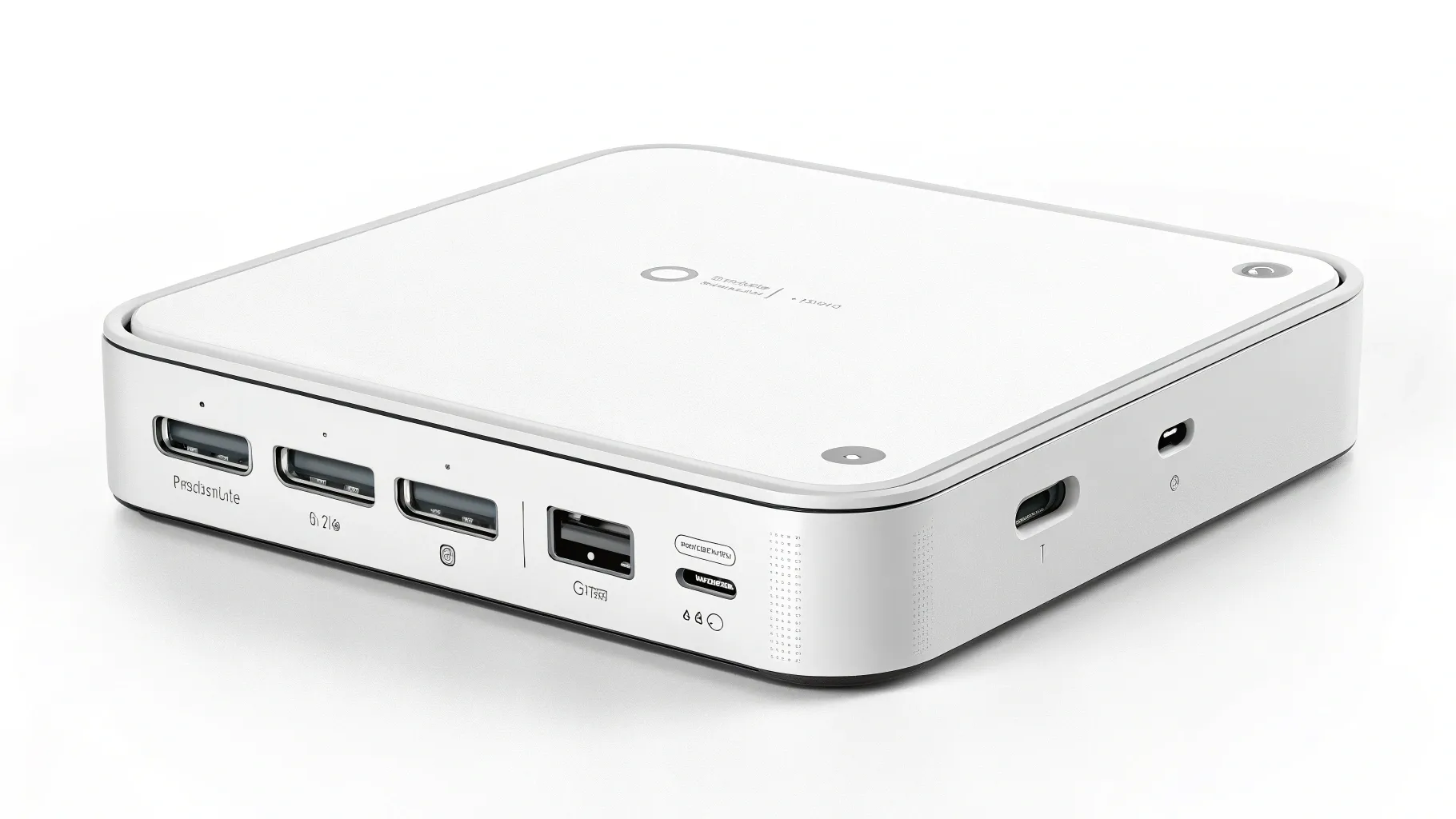
A new AI hardware solution called Lemony AI has entered the market, offering users the ability to run sophisticated artificial intelligence applications without relying on cloud services. The device supports large language models (LLMs), AI agents, and automated workflows entirely on local hardware.
This development marks a significant shift in how AI technologies can be deployed, potentially addressing privacy concerns and latency issues associated with cloud-based AI processing. By processing data locally, the Lemony AI device eliminates the need to transmit sensitive information to external servers.
Technical Capabilities
The Lemony AI hardware is designed to handle computationally intensive AI tasks that typically require substantial processing power. Large language models, which form the backbone of many modern AI applications including chatbots and content generation tools, can now run directly on the device.
Beyond language models, the system supports AI agents—autonomous programs that can perform specific tasks with minimal human intervention. These agents can be customized for various applications across industries including healthcare, finance, and manufacturing.
The device also facilitates automated workflows, allowing users to create sequences of AI-powered operations that can streamline business processes and increase productivity.
Market Implications
The introduction of local AI processing capabilities could reshape the AI hardware market in several ways:
- Enhanced privacy for sensitive applications in healthcare, legal, and financial sectors
- Reduced operational costs by eliminating cloud computing fees
- Improved reliability for AI applications in areas with limited internet connectivity
- Lower latency for time-critical AI operations
For businesses and organizations concerned about data sovereignty or operating under strict regulatory frameworks, the Lemony AI device offers a solution that keeps information within physical boundaries while still providing advanced AI capabilities.
Edge Computing Advancement
The Lemony AI device represents progress in edge computing—the practice of processing data near its source rather than in centralized cloud facilities. This approach has gained traction as organizations seek to balance the benefits of AI with practical considerations around bandwidth, latency, and security.
Local processing of AI workloads addresses many of the barriers that have prevented some organizations from fully adopting AI technologies,” notes an industry analyst familiar with edge computing trends. “Particularly for applications where data privacy or real-time processing is critical.”
By bringing AI processing closer to where data is generated, the Lemony AI device may help expand AI adoption in scenarios where cloud-based solutions were previously impractical or prohibited.
As AI continues to integrate into more aspects of business operations and daily life, hardware solutions that offer local processing capabilities will likely play an increasingly important role in the technology ecosystem. The Lemony AI device appears positioned to address this growing market need, though its success will ultimately depend on factors including performance, price point, and ease of integration with existing systems.
Related Articles
- The Privacy Illusion: Navigating Trust in the AI Era
- CoreWeave and Anthropic Sign Multi-Year Deal
- K2 Plans Tech For Space Data Centers

Rashan Dixon is the founder and CEO of DevX, a technology media and education company covering software development, programming languages, artificial intelligence, and emerging technologies. He is also the founder and CEO of Techincon, a technology consulting business focused on technology implementation, analytics, and emerging technology trends.
Rashan brings nearly three decades of experience across enterprise technology, business systems, and consulting. He served as a Senior Business Systems Analyst at Microsoft from 2011 to 2026, following earlier experience as a Systems Analyst and Business Advisor at Kronos Incorporated. These roles inform his practical perspective on the opportunities and operational challenges of adopting new technology.
At DevX, Rashan connects enterprise technology experience with accessible coverage for developers, entrepreneurs, and business decision-makers. His areas of interest include software engineering, AI, technology strategy, digital transformation, and the intersection of emerging tools and business outcomes.