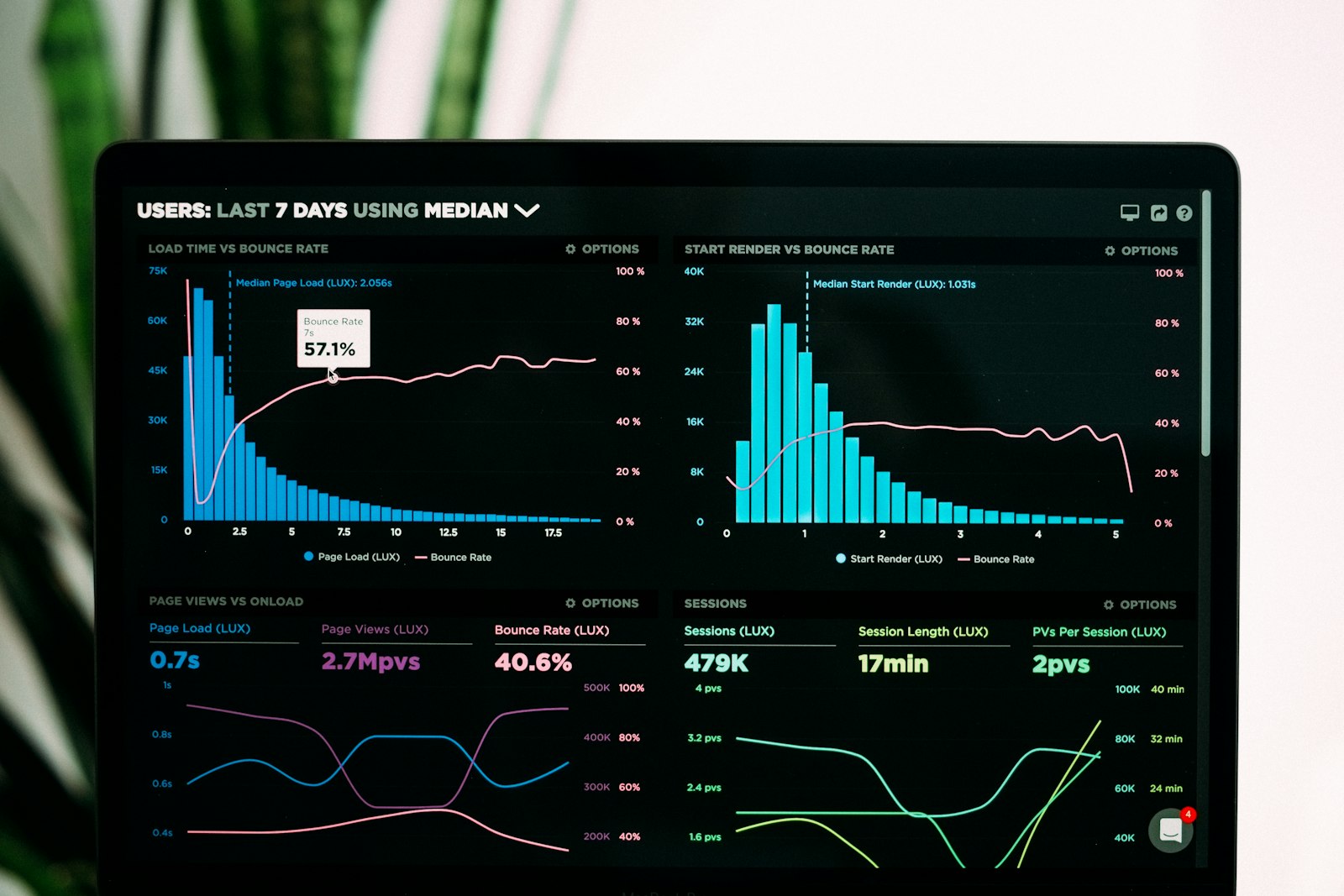
Most leaders assume the goal of analytics is speed, that a faster dashboard automatically produces a smarter decision. It doesn’t. Speed only pays off when the window to act is short, and real-time data analytics earns its cost in exactly those moments: a fraud attempt caught mid-transaction, a checkout flow buckling on your busiest sales day, a delivery route that just went sideways. The rest of the time, you’re paying a premium for information nobody will touch before tomorrow morning.
So the sharper question isn’t whether you can process data the instant it lands. It’s whether the decision attached to that data can afford to wait. Get that distinction right and real-time data analytics becomes one of the most valuable capabilities in your stack. Get it wrong and you’ve built an expensive firehose pointed at a bucket. Here’s how to tell the two apart.
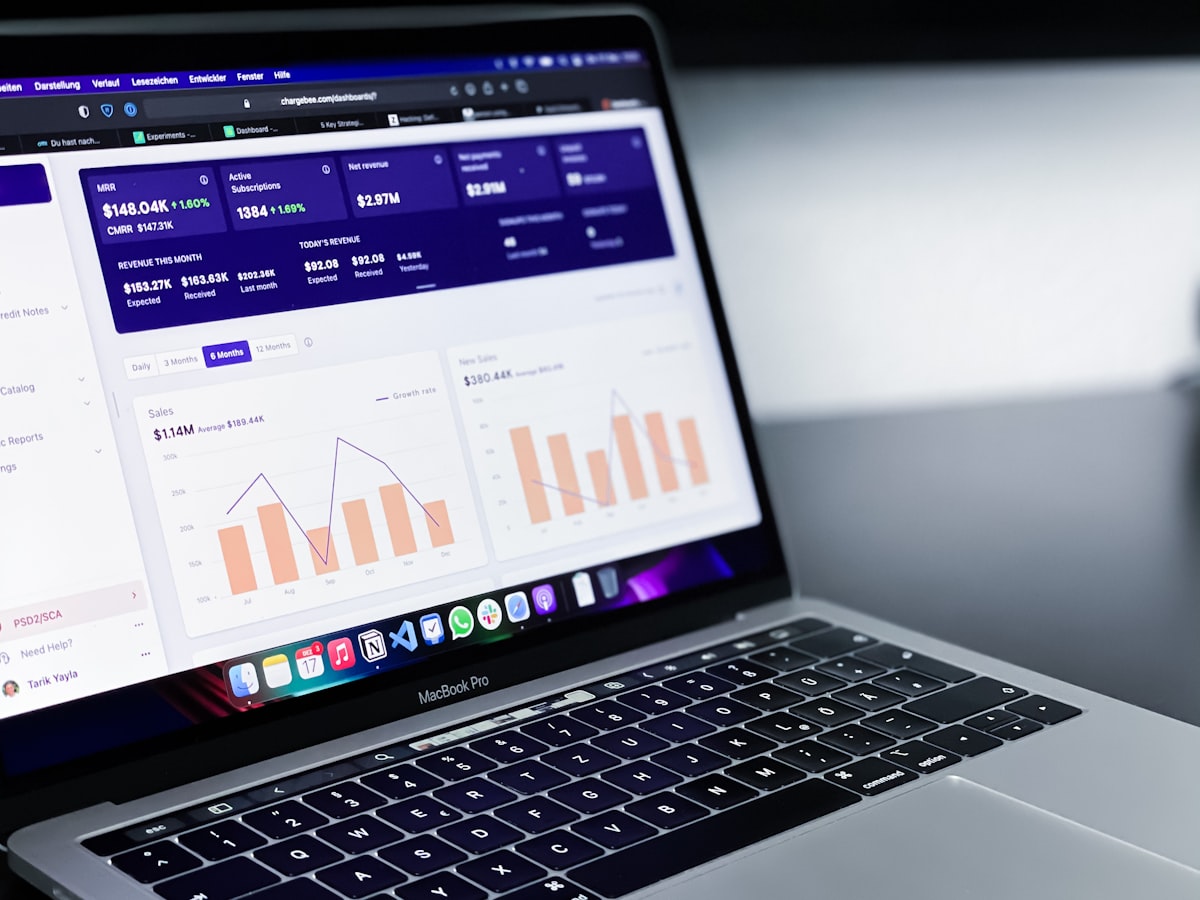
When Real-Time Data Analytics Actually Earns Its Cost
Ask one question before you spend a dollar on streaming infrastructure: what happens if this number is an hour old? If the honest answer is “nothing changes,” you don’t have a real-time problem. You have a reporting problem, and a nightly batch job solves it for a fraction of the price.
But some decisions genuinely live and die by the minute. Payment processors flag fraud while the card is still swiping. Ride-share platforms reprice surge zones as demand shifts block by block. Manufacturers pull a machine offline the moment sensor readings drift out of tolerance, before a defect runs through the whole line. In each case, the value of the insight collapses to zero shortly after the event. That collapse curve is your signal.
The appetite for this is real and growing. The global real-time analytics market sat at roughly USD 1.1 billion in 2025 and is projected to reach USD 7.5 billion by 2034, according to Fortune Business Insights, a compound annual growth rate above 25%. That kind of climb tells you the tooling is maturing fast. It does not tell you every business needs it, so resist the pull of the trend line and stay anchored to your own decision windows.
The Tools Doing the Heavy Lifting
Real-time data analytics isn’t one product. It’s a short assembly line, and each stage has earned its own category of specialist.
- Ingestion and streaming: Apache Kafka remains the backbone for moving events at scale, with managed options like Confluent and Amazon Kinesis removing most of the operational pain.
- Stream processing: Apache Flink and Spark Structured Streaming handle the transformations and aggregations as data flows, not after it settles.
- Fast query layers: Databases built for sub-second reads on fresh data, like ClickHouse, Apache Pinot, and Apache Druid, power the dashboards your team actually watches.
- Activation: The last mile, where an alert fires, a model rescores, or an automated action triggers without a human in the loop.
You don’t need all four stages gold-plated on day one. Start with the decision, then work backward to the thinnest pipeline that serves it. If you’re already investing in solid data orchestration, much of this becomes a matter of extending patterns you already run rather than rebuilding from scratch.
Where Batch Still Beats the Stream
Here’s the part vendors won’t lead with: batch processing is not a legacy compromise. For a huge share of business questions, it’s the correct answer. Monthly revenue trends, cohort retention, marketing attribution, quarterly forecasting, none of these improve because you computed them a second sooner. They improve when the underlying data is clean, complete, and consistent, which batch pipelines are simply better at guaranteeing.
Streaming also carries real costs that don’t show up in the demo. Always-on infrastructure, harder debugging, the operational burden of a system that can never quietly fall a few minutes behind. Push those costs onto decisions that don’t need them and you’ve traded reliability for a speed nobody uses. This is where a clear data strategy beats raw data volume every time: the win comes from matching the tool to the decision, not from processing everything the instant it exists.
The pattern that scales best in practice is a hybrid one. Stream the handful of metrics tied to time-sensitive action. Batch everything else. Push real-time processing toward the edge, where enterprise data increasingly lives, so latency-critical work happens close to the source instead of round-tripping to a central warehouse.
Building the Muscle Before the Machine
Technology is the easy half. The harder half is whether your organization can act on a signal the moment it arrives. A fraud alert that reaches an inbox no one checks until Monday is not real-time analytics, it’s theater. Before you invest, confirm three things are in place: someone owns the response, the response is fast enough to matter, and the workflow to execute it already exists.
That readiness gap is why data leaders keep prioritizing this work. Wavestone’s 2024 survey found that 87.9% of executives now treat data and analytics investment as a top organizational priority. The money is flowing. The teams that win with it are the ones that build the decision muscle first and buy the streaming machine second. Cleaner inputs help here too, and smarter data handling upstream prevents most of the noise that makes real-time alerts untrustworthy.
Speed in Service of the Decision
Real-time data analytics is not a badge of a modern data team. It’s a tool with a specific, powerful job: shrinking the gap between an event and the action it demands. When that gap costs you money, it’s one of the best investments you can make. When it doesn’t, it’s overhead dressed up as innovation.
So audit your decisions before your architecture. Find the ones where minutes genuinely change the outcome, and build real-time capability there with intent. Let batch quietly handle the rest. Do that, and you won’t just move faster. You’ll move faster on the things that actually move the business.
Featured image: Photo by Luke Chesser on Unsplash. In-article image: Photo by path digital on Unsplash.

Rashan is a seasoned technology journalist and visionary leader serving as the Editor-in-Chief of DevX.com, a leading online publication focused on software development, programming languages, and emerging technologies. With his deep expertise in the tech industry and her passion for empowering developers, Rashan has transformed DevX.com into a vibrant hub of knowledge and innovation. Reach out to Rashan at [email protected]