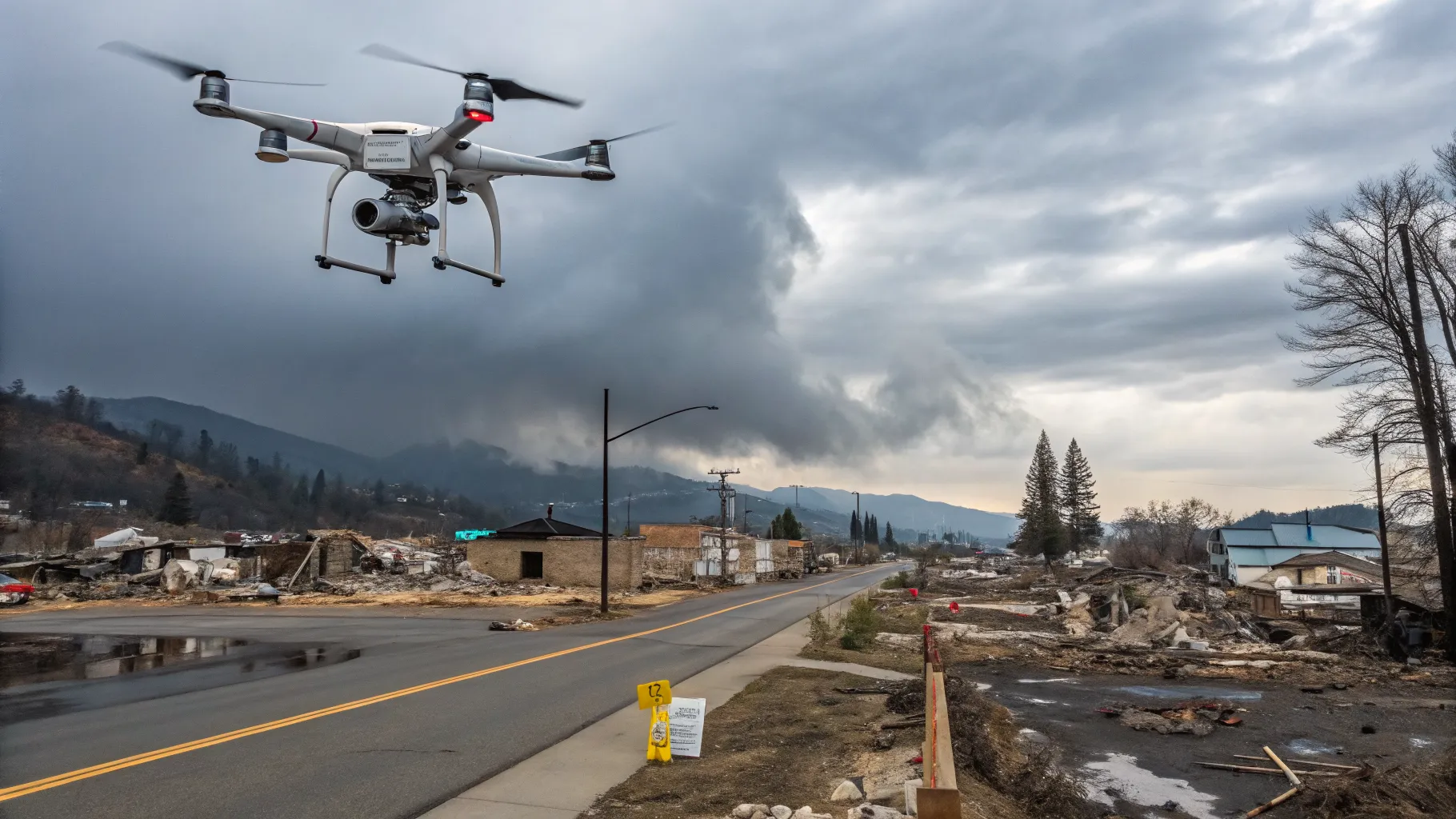
A new wave of AI-assisted insurance is moving into wildfire, flood, and hurricane zones, promising faster payouts and clearer pricing as climate risks rise. Startups and major carriers are testing tools that analyze satellite images, weather feeds, and property data in seconds. Supporters say it could ease recovery and close coverage gaps. Skeptics warn it could shift risk to households and cities, and even reshape the role of federal aid.
“A new, AI-assisted model of insurance is quietly exploding in disaster-prone areas—and may be coming for FEMA too. Is it the answer to climate change, or a trap?”
What the New Model Looks Like
The approach pairs machine learning with new policy designs. Some companies sell parametric coverage, which pays when a trigger is hit, such as a wind speed, rainfall total, or quake magnitude. Others use AI to price traditional policies by estimating a home’s fire risk from roof shape, tree cover, and access roads.
Claims are also changing. Computer vision can scan damage photos and flag likely total losses. Text bots can guide customers through steps and schedule inspections. The pitch is speed: money in days, not months, and fewer disputes over cause and cost.
Why It’s Spreading in Risky Places
Climate-fueled disasters are hitting more often and with greater intensity. Insurers face higher losses, and some have pulled back in parts of California and Florida. Homeowners are left with steep premiums, policy limits, or bare-bones state plans.
AI tools let firms price risk at the parcel level. That can make coverage viable in some high-risk ZIP codes by setting clearer terms and defined payouts. It can also help local governments and utilities spot weak points in grids, levees, and evacuation routes.
Benefits and Red Flags
Backers see three main gains:
- Speed: Triggers and automation can release funds fast after a storm or fire.
- Clarity: Parametric terms are simple, cutting fights over claims.
- Inclusion: Smaller, affordable cover can fill gaps left by traditional plans.
But critics warn of trade-offs. Trigger design matters. If a policy pays when wind hits a threshold at the nearest weather station, a family hit by a tornado could miss out if instruments undercount gusts. AI pricing can also mirror old biases if training data reflect unequal investments in fire breaks, drainage, or code enforcement. Privacy is another concern when roof scans, utility records, and social data feed models.
Consumer advocates press for plain-language disclosures. They want clear maps of triggers, audit trails for model decisions, and simple appeals when a payout falls short of actual loss.
Could It Reshape Federal Aid?
The growth of AI risk tools has raised questions about the future of federal disaster relief. Some policy designers argue that fast private payouts could reduce pressure on emergency grants. Others fear the opposite: if private insurers retreat, cities could face bigger bills and rely more on federal programs.
There is also interest in public-private mixes. Parametric contracts tied to rainfall or wind could help states fund shelters and debris removal. AI could help federal agencies target mitigation grants to the highest-risk blocks, not just counties. That might stretch public dollars but could invite overreliance on private triggers or opaque models.
What It Means for Households and Cities
For residents, the promise is quicker recovery and options where coverage is scarce. The risk is underinsurance if triggers miss damage or if policy limits lag behind repair costs. Cities could gain sharper risk maps and faster response planning. They may also face pressure to adopt stricter codes and manage growth in exposed areas, or see premiums climb.
Market outcomes will hinge on guardrails. Independent validation of models, open trigger specifications, and stress tests for events outside recent history can improve trust. Transparent pricing and clear recourse when tools err can protect buyers.
What to Watch Next
Regulators in disaster-prone states are reviewing how and when AI can set rates or deny coverage. Consumer groups seek standards for explainability and data quality. Some reinsurers are piloting citywide parametric covers for heat waves and extreme rain. Local governments are weighing whether these tools complement or complicate their reliance on federal aid.
The central question remains whether AI insurance will narrow recovery gaps or create new ones. The answer will depend on design choices made now. Clear rules, simple products, and safeguards against bias could turn speed into real security rather than a costly mirage.
For now, AI-driven policies are spreading where risk is highest. The next tests will show whether they reduce loss, reward mitigation, and fit with federal support, or shift burdens onto those least able to shoulder them.

Rashan is a seasoned technology journalist and visionary leader serving as the Editor-in-Chief of DevX.com, a leading online publication focused on software development, programming languages, and emerging technologies. With his deep expertise in the tech industry and her passion for empowering developers, Rashan has transformed DevX.com into a vibrant hub of knowledge and innovation. Reach out to Rashan at [email protected]