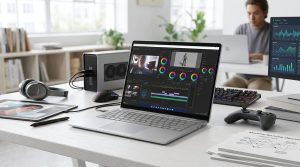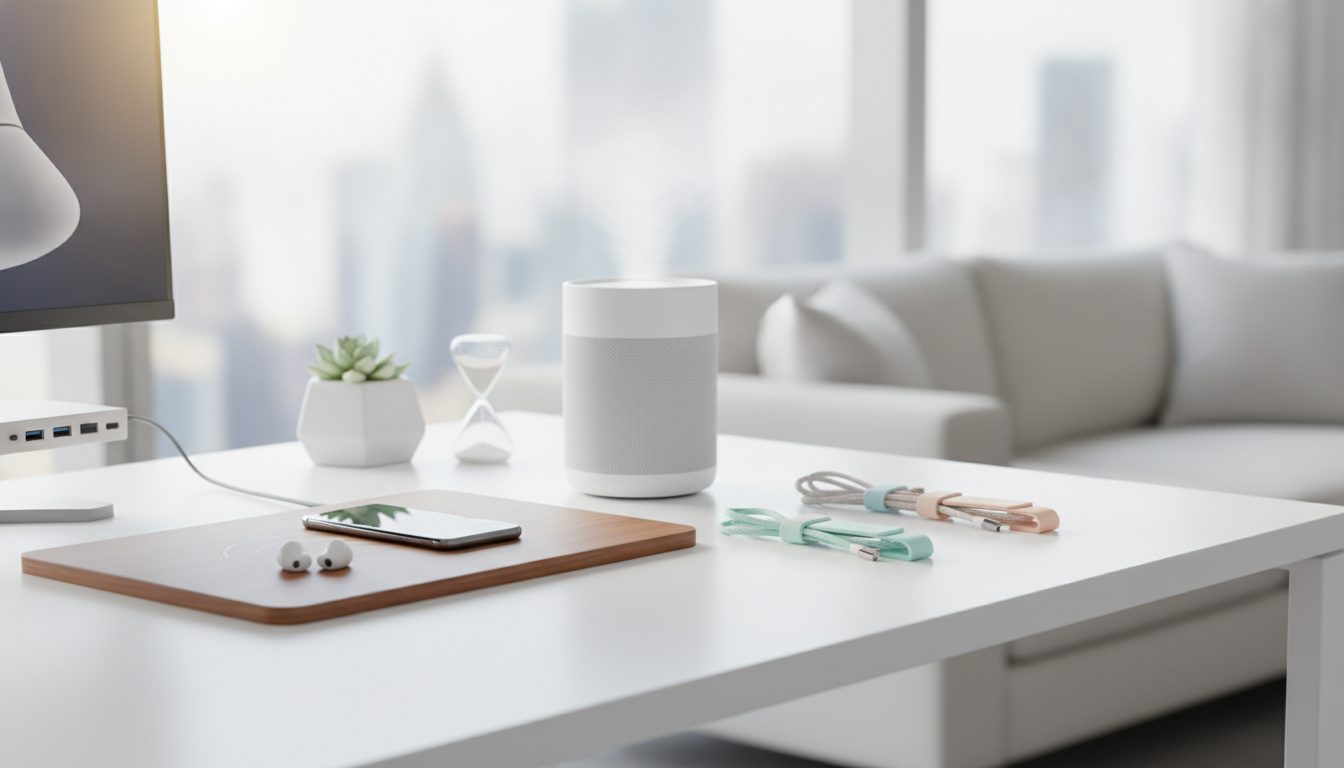
As hybrid work settles in, a growing share of employees are turning to small desk gadgets to tame clutter and keep attention on the task at hand. From simple cable clips to focused timers, these tools are finding a place in both home and office setups as workers search for order in crowded days.
The shift comes as companies reconfigure space and individuals try to balance in-person meetings with remote collaboration. It is a practical response to packed calendars and constant notifications, with many seeking easy wins that make desks cleaner and work time more deliberate.
A Simple Pitch: Less Mess, More Focus
One presenter summed up the appeal of these items in plain terms:
The right desk gadgets can help you reduce clutter, stay focused, and add a little extra convenience to your day.
The message reflects a broader move toward minimal setups. Workers report that untidy cords, scattered accessories, and mixed personal-tech use can slow simple tasks. Small tools that streamline charging, manage cables, or elevate screens promise quick relief without a full office redesign.
From Cubicles to Kitchen Tables
The push for practical add-ons began during widespread remote work, when many improvised offices at home. Over time, those setups hardened into daily routines. The priority shifted from making do to making things work better. Clean surfaces, steady lighting, and consistent posture became shared goals.
Office managers now face a split environment. Some staff return part-time, others remain remote, and many switch each week. Portable, low-cost tools that travel in a bag make sense in this mix. They help workers set up quickly in a hot-desk office or at the dining room table.
What Workers Are Choosing
The most common picks aim to reduce friction. Workers favor items that are small, sturdy, and easy to use without setup guides or apps. Many also look for items that do double duty, like a stand that both raises a monitor and clears space beneath it.
- Cable organizers and under-desk trays to cut cord clutter
- Wireless chargers and multi-port hubs to handle mixed devices
- Monitor risers and laptop stands for posture and screen alignment
- Task lights with warm-to-cool settings to reduce eye strain
- Simple timers to support focused work blocks
Teams that share desks often add labeled pouches or small caddies. That reduces setup time and lowers the chance of leaving key items behind at the end of the day.
Benefits and Trade-Offs
Advocates see three clear upsides. First, less visual noise can make starting a task easier. Second, standardized layouts cut fidgeting and quick fixes. Third, small comforts, like a steady light or stable stand, can support longer, more comfortable sessions.
There are trade-offs. Too many gadgets add more clutter. Some tools promise more than they deliver. And low-cost plastics raise waste concerns if they end up in drawers or landfills after a few months. Workers who buy their own gear also weigh cost against a real return in time saved.
IT leaders note that any device that draws power or connects to a port should meet company security and safety rules. That includes chargers, hubs, and cable locks. A clear policy can prevent device conflicts and keep support tickets down.
How Employers Are Responding
Some managers offer small stipends for basic setup kits. Others maintain a shared pool of items that staff can check out, which helps control quality and avoids one-off purchases. Procurement teams focus on durable materials and interchangeable parts to reduce waste and replacement cycles.
Facilities staff also point out that a few well-chosen items can delay a larger furniture upgrade. A laptop stand and external keyboard, for example, may improve posture without replacing a desk.
What To Watch Next
Manufacturers are adding thoughtful touches, like stackable trays that align with monitor bases or chargers that magnetize to metal desk legs. Some are exploring energy-saving features that cut idle power draw. Buyers are asking for simpler designs, fewer cables, and parts that can be repaired or recycled.
For workers, a measured approach seems to work best. Start with the biggest pain point, add one tool, and test it for a week. If it saves time or reduces strain, keep it. If not, pass it on. Clean desks and calmer work blocks often follow a few smart choices, not a drawer full of gear.
The trend appears set to continue as schedules stay mixed and attention is at a premium. The promise is modest but practical: fewer distractions, more intention, and small upgrades that make each workday a bit smoother.

Rashan is a seasoned technology journalist and visionary leader serving as the Editor-in-Chief of DevX.com, a leading online publication focused on software development, programming languages, and emerging technologies. With his deep expertise in the tech industry and her passion for empowering developers, Rashan has transformed DevX.com into a vibrant hub of knowledge and innovation. Reach out to Rashan at [email protected]