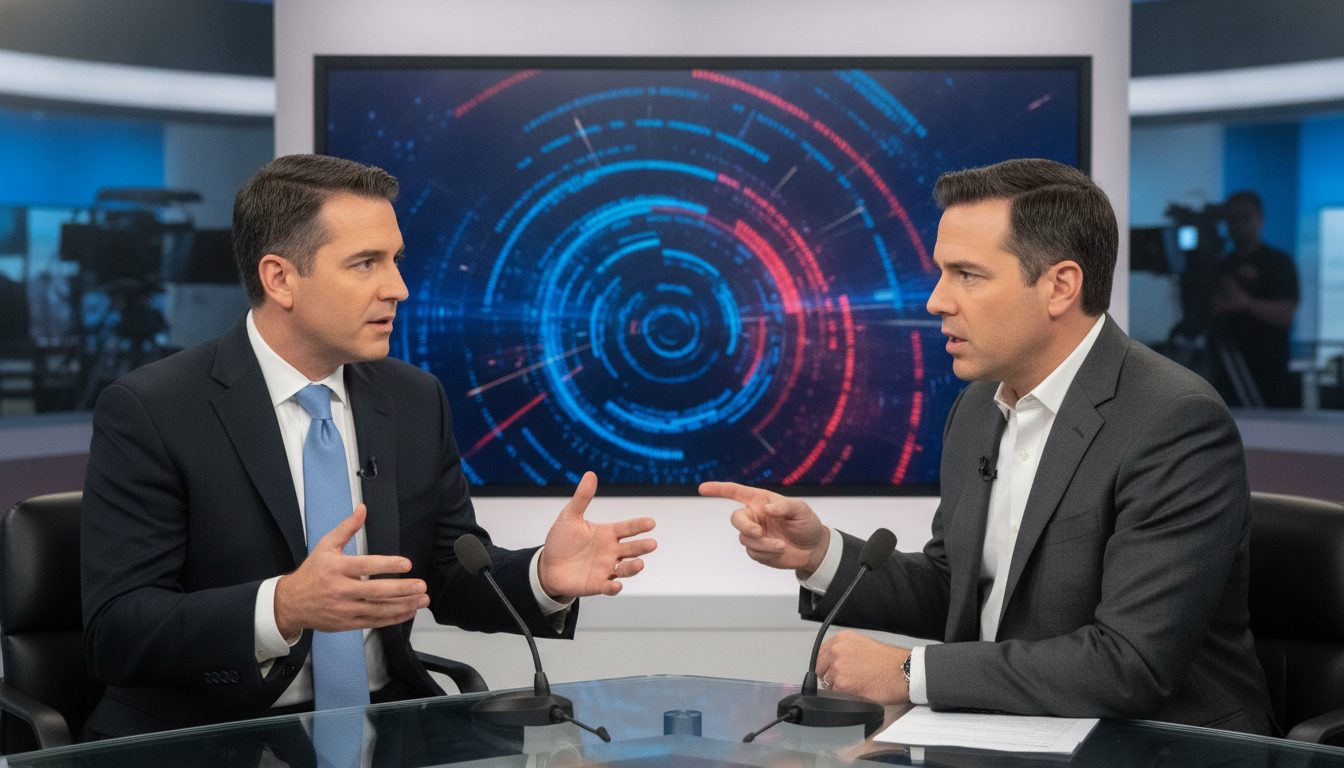
Two guests sounded the alarm on national television about fast-spreading artificial intelligence scams and a viral political impostor, urging viewers to stay alert as the 2024 cycle heats up. Author Tom Kersting and AI specialist Randy Adams joined Fox & Friends to explain how convincing fake personas and cloned content are tricking users and putting families at risk.
The pair discussed the who, what, and why: how fraud rings and political operators are using cheap tools, where the scams show up, and why parents and voters should care now. Their message: vigilance is now a daily habit, not a one-time fix.
‘Raising Healthy Teenagers’ author Tom Kersting and AI expert Randy Adams discuss the rise of AI scams and a viral fake MAGA influencer on ‘Fox & Friends.’
The Conversation on Morning TV
Kersting, known for his work with parents and students, framed the issue as both a money problem and a mental health concern for families. Adams, who tracks generative tools and fraud tactics, described how easy it has become to spin up lifelike voices, faces, and accounts in minutes.
The guests pointed to a recent wave of political content, including a viral fake MAGA influencer, as a warning sign for voters scrolling their feeds. They said the speed of amplification on social platforms gives fakes a head start before fact-checks can catch up.
Why AI Scams Are Spiking
Low-cost tools and widely shared training data have dropped the barrier for scam operations. Criminals now use voice cloning, face swaps, and chatbots to tailor messages that feel personal. Payment apps and crypto wallets add quick cash-out options.
Regulators have noted the surge. Consumer agencies in the United States have reported rising losses tied to online fraud in recent years, with social media contact often cited as the first touchpoint. While not every case involves AI, experts say the technology is making scams harder to spot.
Political Deception and a Fake Influencer
The guests highlighted the political twist: synthetic personas designed to look like real grassroots voices. A viral right-leaning persona, they said, can shape views, attract donations, and spread false claims before platforms respond.
Adams warned that AI-generated avatars can be programmed to post around the clock, adjust talking points, and evade takedowns by reappearing under new names. Kersting stressed that repeated exposure can change beliefs, even when users later learn a post was fake.
Risks for Teens and Families
Kersting linked these trends to the home. Teens may struggle to spot manipulated videos or cloned voices from classmates, teachers, or favorite creators. Emotional triggers—fear, pride, outrage—make young users more likely to click, share, or send money.
He urged parents to create simple house rules for verification. That includes pausing before reacting, checking a second source, and confirming money requests with a live call or in-person check.
How to Verify Without Panic
Adams proposed basic steps that work for most people. None require advanced tools, only a pause and a plan.
- Reverse-search profile images and watch for recycled faces or stock-style photos.
- Listen for odd cadences or sudden shifts in accent in voice clips.
- Confirm fundraisers and political appeals through official websites, not links in posts.
- Check whether reputable outlets or the subject have addressed the video or claim.
- Enable two-factor authentication and use strong, unique passwords.
What Platforms and Policymakers Can Do
The guests said platforms should label synthetic media, speed up response times on flagged fakes, and share more data about removals. They also called for clear rules on political deepfakes during election periods, paired with user education.
Industry groups are testing provenance watermarks and content credentials. Those tools can help, but Adams noted that labels work best when users already know to look for them.
The segment’s message was plain: AI makes deception faster and cheaper, and both families and voters are targets. Kersting asked parents to treat media literacy like seat belts—used every day. Adams advised viewers to “trust, then verify,” especially with viral political content. Expect more synthetic influencers to surface as elections near, and watch for stronger labels, quicker takedowns, and new verification habits becoming part of daily life.

Rashan is a seasoned technology journalist and visionary leader serving as the Editor-in-Chief of DevX.com, a leading online publication focused on software development, programming languages, and emerging technologies. With his deep expertise in the tech industry and her passion for empowering developers, Rashan has transformed DevX.com into a vibrant hub of knowledge and innovation. Reach out to Rashan at [email protected]