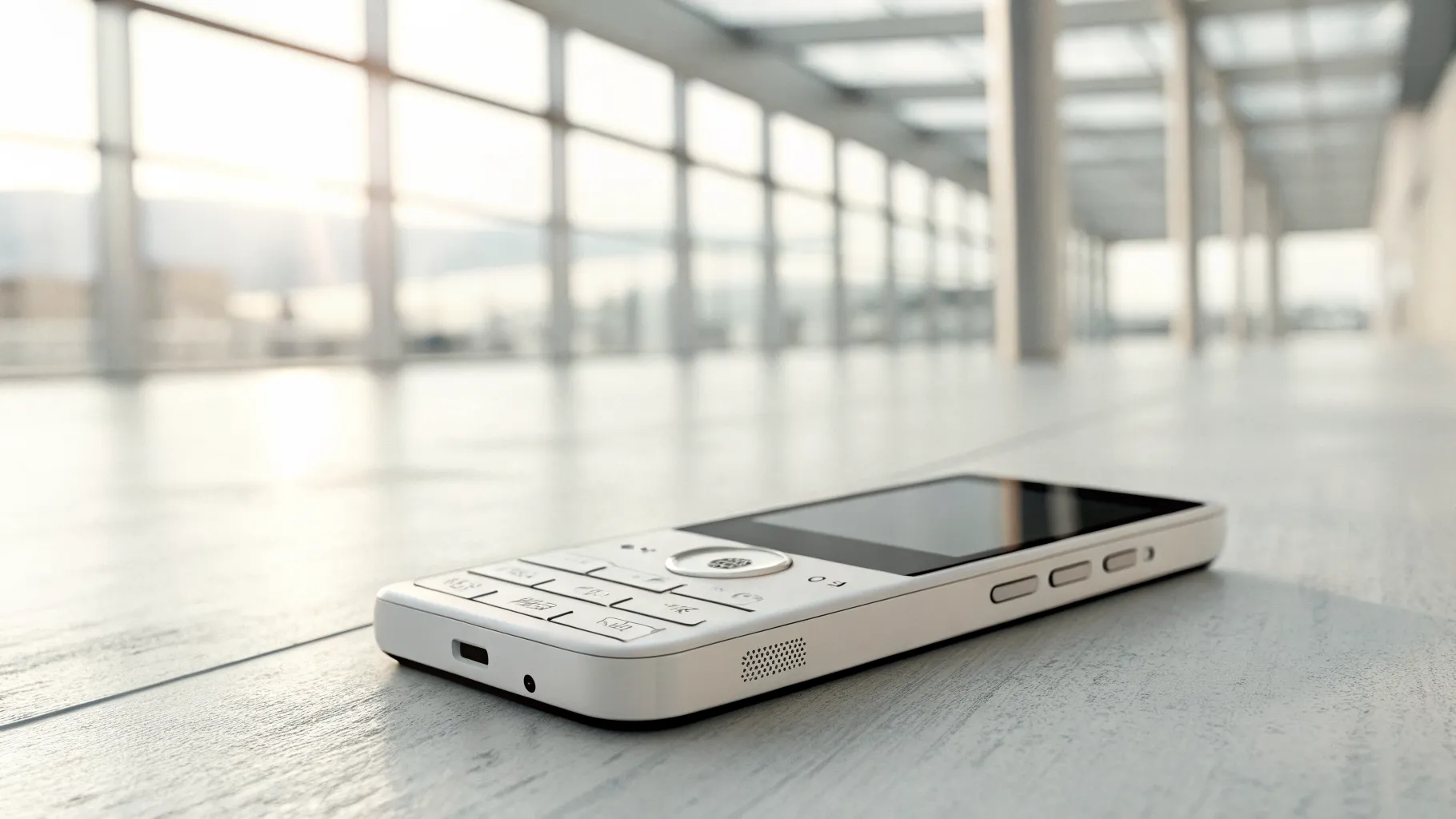
A small phone with a big claim is challenging how people use technology. Light, the Brooklyn-based maker of minimalist phones, says its device is meant to be used less, not more. Founder Joe Hollier summed it up in a recent interview, signaling a sharp break from app-packed smartphones that push constant engagement.
The approach is simple. Strip a phone to core functions so owners can call, text, and then put it away. The message lands at a time when screen-time fatigue is a growing concern in schools, workplaces, and homes.
“The Light Phone is designed to be used as little as possible,” founder Joe Hollier told TechCrunch.
Backstory: A Pushback Against Always-On Phones
Light launched nearly a decade ago with a promise to reduce distractions. Early models focused on calling and simple tools. Later versions added texting, alarms, and navigation, while keeping an e-paper-style display and a clean interface.
The company sits within a broader “minimal tech” movement. Users frustrated by notifications and algorithmic feeds are seeking alternatives. Research groups have reported that adults spend several hours each day on mobile screens. Parents and teachers also worry about attention and sleep.
Other companies have tried similar ideas with pared-down devices. But most remain niche products, often marketed as weekend or travel companions rather than daily drivers.
Design Philosophy: Fewer Features, Clearer Choices
Light’s design swaps bright icons and endless feeds for plain menus and large, tactile buttons. The goal is to make key tasks fast, then encourage the user to step away. The company says that intentional friction can reset habits. It is a direct critique of infinite scrolls and autoplay.
Some owners describe using the device during workdays or evenings to cut distractions. Others rotate between a Light phone and a standard smartphone. The pattern suggests a new kind of “hybrid” use, where context decides which tool fits.
Market Response and Skepticism
The idea has fans, yet it faces steep odds. App ecosystems, mobile banking, two-factor codes, and ride-hailing services keep people tied to full-feature phones. Even those who seek fewer distractions often need maps, messaging groups, and video calls.
Critics argue that adding features like navigation or music can slowly restore the very behaviors the device tries to curb. Supporters counter that thoughtful limits still matter. They say a simpler phone can meet daily needs without pulling users into time sinks.
Digital Well-Being and What the Data Suggests
Public health experts link heavy screen use to sleep loss and stress, especially among teens. Studies also note links to attention problems in some groups. There is no single fix, but tools that reduce triggers may help.
Behavioral researchers often point to three levers: reduce cues, add friction, and make alternatives easy. Light’s strategy lines up with that model by shrinking the feature set and removing visual hooks.
- Fewer cues: no feeds, alerts, or autoplay.
- Added friction: basic interface limits scrolling and swiping.
- Alternatives: calls and texts remain available when needed.
Business Outlook: Niche Product, Wider Conversation
As carriers expand 5G and apps become central to commerce, a distraction-free phone remains a specialty item. The company’s growth likely depends on convincing users to treat it as a primary device, or as a planned break from a standard smartphone.
Retail partnerships, carrier support, and pricing will matter. So will practical features like battery life, call quality, and reliable texting. If those basics work well, the device can serve as a credible daily phone for targeted groups.
What Comes Next
Interest in digital well-being shows no sign of fading. Schools are testing phone-free periods. Workplaces are writing clearer communication norms. Regulators in some countries are debating age limits or default settings that curb addictive design.
In that environment, Light’s message may find a larger audience. The company will need to balance usability with restraint, avoiding feature creep that blurs its mission.
For now, the value proposition is plain. A phone that asks for less time could help people reclaim attention and sleep, if they accept the trade-offs. The coming year will show whether more consumers are ready to set strong limits on their screens.

Deanna Ritchie is a managing editor at DevX. She has a degree in English Literature. She has written 2000+ articles on getting out of debt and mastering your finances. She has edited over 60,000 articles in her life. She has a passion for helping writers inspire others through their words. Deanna has also been an editor at Entrepreneur Magazine and ReadWrite.