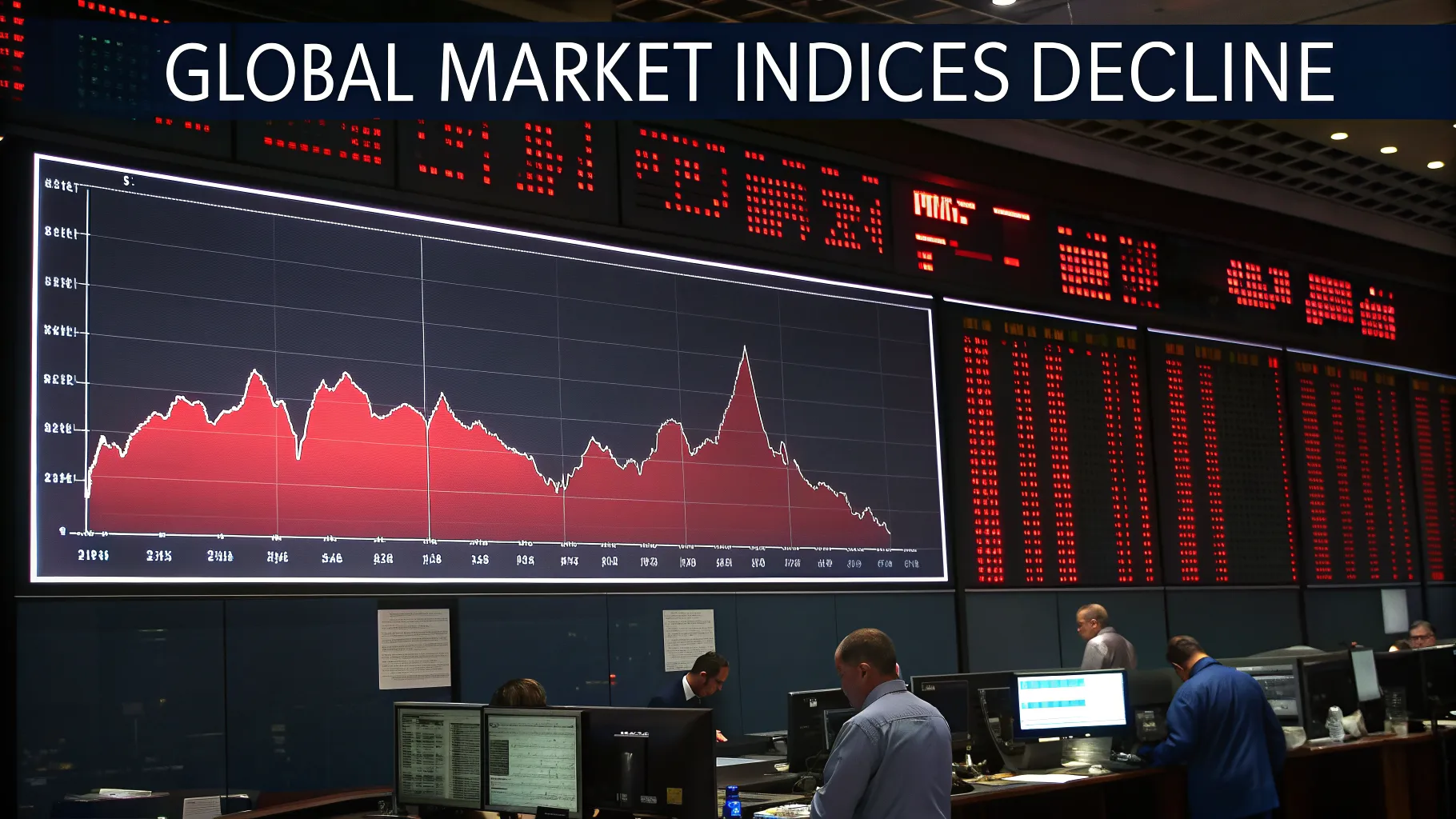
Global markets slumped Friday after a stronger-than-expected U.S. jobs report raised the odds of another Federal Reserve rate hike this year. Stocks fell alongside bonds, bitcoin, and gold as Wall Street reassessed the path for inflation and growth and tech investors weighed fresh weakness in artificial intelligence names.
The reaction reflected a fast shift in interest rate expectations. Traders moved to price in tighter policy for longer, raising borrowing costs across the economy. The selloff cut across sectors and asset classes, signaling a broad retreat from risk and a reset in the year’s most popular trades.
“Investors sold off stocks, bonds, bitcoin and gold Friday after a strong jobs report boosted odds the Federal Reserve might raise interest rates later this year to combat inflation and Wall Street wrestled with weakness in AI stocks.”
Jobs Data Reignites Rate Fears
Stronger hiring is good for workers but can complicate the inflation fight. A hot labor market can keep wage growth firm, which can feed price pressures. For the Fed, resilient job creation can reduce the urgency to cut rates and even reopen the door to further increases if inflation stays sticky.
Investors entered the week expecting the central bank to move toward lower rates later this year. The latest report challenged that view. Yields rose as bond prices fell, a signal that markets now see tighter policy staying in place.
The Fed has kept rates at a two-decade high to bring inflation closer to its 2 percent goal. Officials have stressed they need more evidence that price gains are easing. Strong labor numbers make that evidence harder to find.
Risk-Off Hits Multiple Assets
The selling was broad. Equity benchmarks weakened as investors reduced exposure to cyclical sectors and high-duration growth shares. Bond prices declined on higher rate expectations. Even traditional hedges lost ground, with bitcoin and gold sliding as cash and short-term instruments gained appeal.
- Stocks fell as rate-sensitive shares led declines.
- Bonds dropped on rising yields and reduced cut expectations.
- Bitcoin and gold slipped as demand shifted to cash.
Cross-asset declines like this often occur when a single macro shock reshapes consensus. The jobs report served as that shock. The move resembled past episodes when upside surprises in labor data pressured both risk assets and duration trades.
AI Leaders Face Fresh Scrutiny
The year’s tech winners showed signs of fatigue. AI-linked stocks, which had powered market gains, came under pressure as investors questioned rich valuations in a higher-rate world. Rising discount rates reduce the present value of far-off cash flows, a key input for growth shares tied to long-term narratives.
Some portfolio managers argued the pullback was overdue after steep gains. Others said the trend in enterprise spending on AI remains intact, but acknowledged that higher funding costs can slow adoption and squeeze smaller players.
The split view reflects uncertainty over how fast AI revenues will ramp and which companies will capture them. A tougher rate backdrop adds another layer of risk to that debate.
What Higher Rates Could Mean Next
If the labor market stays strong and inflation proves sticky, the Fed could keep policy tight for longer. That would weigh on rate-sensitive areas like housing, autos, and small-cap financing. It could also support the U.S. dollar, pressuring commodities and emerging markets.
Yet a single report does not set policy. Coming inflation readings and updated forecasts will matter. Markets will watch the next consumer price data and the Fed’s meeting commentary for clues on timing and thresholds for action.
Investors are likely to favor quality balance sheets, steady cash generation, and shorter-duration bonds in the near term. Volatility could stay elevated as data swing expectations back and forth.
A History of Data-Driven Swings
Market sentiment has shifted quickly after major data releases throughout the inflation fight. Strong labor or price reports have often sparked selloffs in both stocks and bonds. Softer prints have lifted hopes for rate relief, only for later reports to reverse those gains.
This push and pull is common during late-cycle phases. The economy appears resilient, yet sensitive to financing costs. That mix can produce sharp moves as traders react to each new signal on growth and prices.
Friday’s slump showed how one data point can ripple across assets when rate expectations are in play. The next few reports will be key. If inflation cools and hiring slows, the case for easier policy strengthens. If not, investors may need to prepare for higher-for-longer rates and more pressure on rate-sensitive trades.

A seasoned technology executive with a proven record of developing and executing innovative strategies to scale high-growth SaaS platforms and enterprise solutions. As a hands-on CTO and systems architect, he combines technical excellence with visionary leadership to drive organizational success.