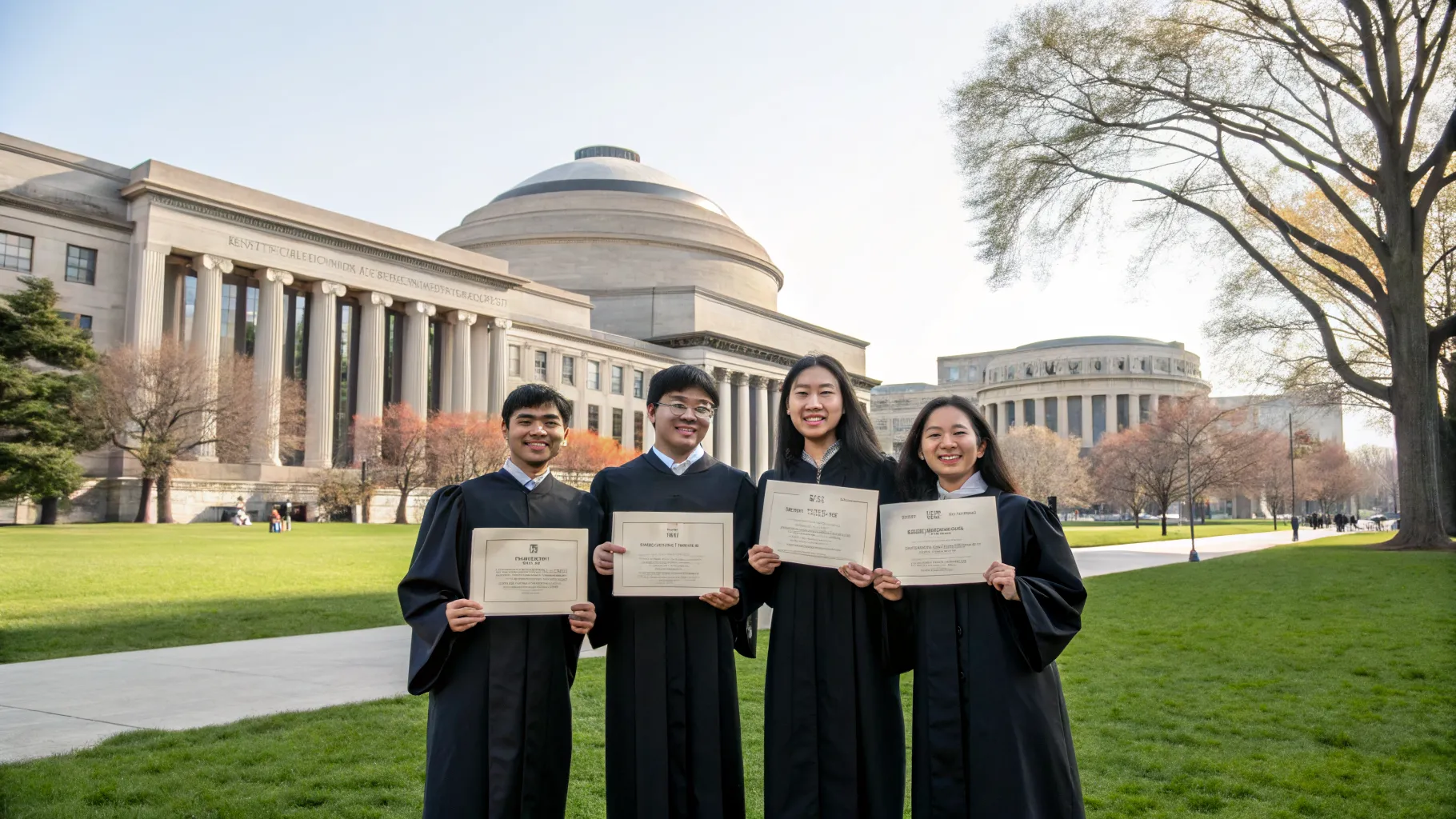
Three MIT students and one incoming graduate student have been selected for the 2026 Hertz Foundation Fellowships, a prestigious award for doctoral research in applied sciences, engineering, and mathematics. The awards highlight early-career researchers who aim to tackle urgent problems in science and technology and will begin their funded work in the coming academic cycle.
The selection places MIT among a small group of institutions that regularly produce fellows in high-impact technical fields. While the foundation has not released the full national cohort yet, the four MIT-affiliated awardees signal a strong year for the institute’s research pipeline.
What the Fellowship Recognizes
“The fellowships in applied sciences, engineering, and mathematics recognize doctoral students who are pursuing solutions to the most pressing challenges in science and technology.”
The program supports researchers whose work addresses complex problems, from energy systems and materials to computing, health, and national security. Fellows receive multi-year support and access to a national community of scientists and engineers. The selection process is known for intensive interviews and a focus on technical depth and creativity.
Background on the Hertz Foundation
Founded in the mid-20th century, the Hertz Foundation is an independent nonprofit that funds PhD students in the United States. The fellowship is highly competitive. Each year, a small group of finalists is chosen from a large applicant pool across universities and disciplines.
Alumni of the fellowship include researchers who lead labs, launch startups, and serve in government science roles. Many have earned major scientific honors. The program emphasizes long-term impact and leadership, not only academic achievement.
For institutions such as MIT, recurring selections reflect ongoing strength in core STEM fields and a culture that encourages bold, high-risk projects.
Why This Year Matters
The 2026 awards arrive as research funding faces cost pressures and fast-moving technological change. Early-career support can accelerate lab build-outs, open new collaborations, and reduce delays between concept and experiment.
University departments also benefit. Incoming fellows often catalyze cross-lab projects and help recruit new students who seek hands-on work in advanced research groups.
What Fellows Typically Receive
- Multi-year support that includes tuition coverage and a personal stipend.
- Flexibility to pursue independent, high-impact projects.
- Access to a national network of fellows, alumni, and mentors.
- Opportunities for technical exchange across fields.
Implications for MIT and the Field
For MIT, four awardees linked to the institute suggest strong momentum across departments that feed into applied science and engineering. The selections also point to research with clear use cases, such as safer computing, advanced manufacturing, resilient infrastructure, and improved health technologies.
In recent years, fellowship-backed projects have helped speed progress in areas like machine learning, next-generation materials, and biomedical tools. The 2026 fellows are expected to add to that pipeline, bringing new ideas into shared facilities and industry partnerships.
What to Watch Next
The full list of 2026 fellows will clarify the fields receiving the most support this year. Observers will watch for trends such as growth in AI safety research, energy storage, climate adaptation, and bioengineering. The mix of disciplines often foreshadows emerging priorities across academia, industry, and government.
Key milestones to follow include the fellows’ first-year publications, conference presentations, and early prototypes. Collaboration patterns—between labs, and with national labs or startups—will also signal where near-term breakthroughs may come.
The 2026 selections mark an important moment for MIT’s research community and for the broader fellowship network. With multi-year backing and a strong peer cohort, the new fellows are positioned to take on hard scientific problems. Their progress over the next few years will help indicate which ideas have the traction to move from promising concepts to practical technologies.

Deanna Ritchie is a managing editor at DevX. She has a degree in English Literature. She has written 2000+ articles on getting out of debt and mastering your finances. She has edited over 60,000 articles in her life. She has a passion for helping writers inspire others through their words. Deanna has also been an editor at Entrepreneur Magazine and ReadWrite.