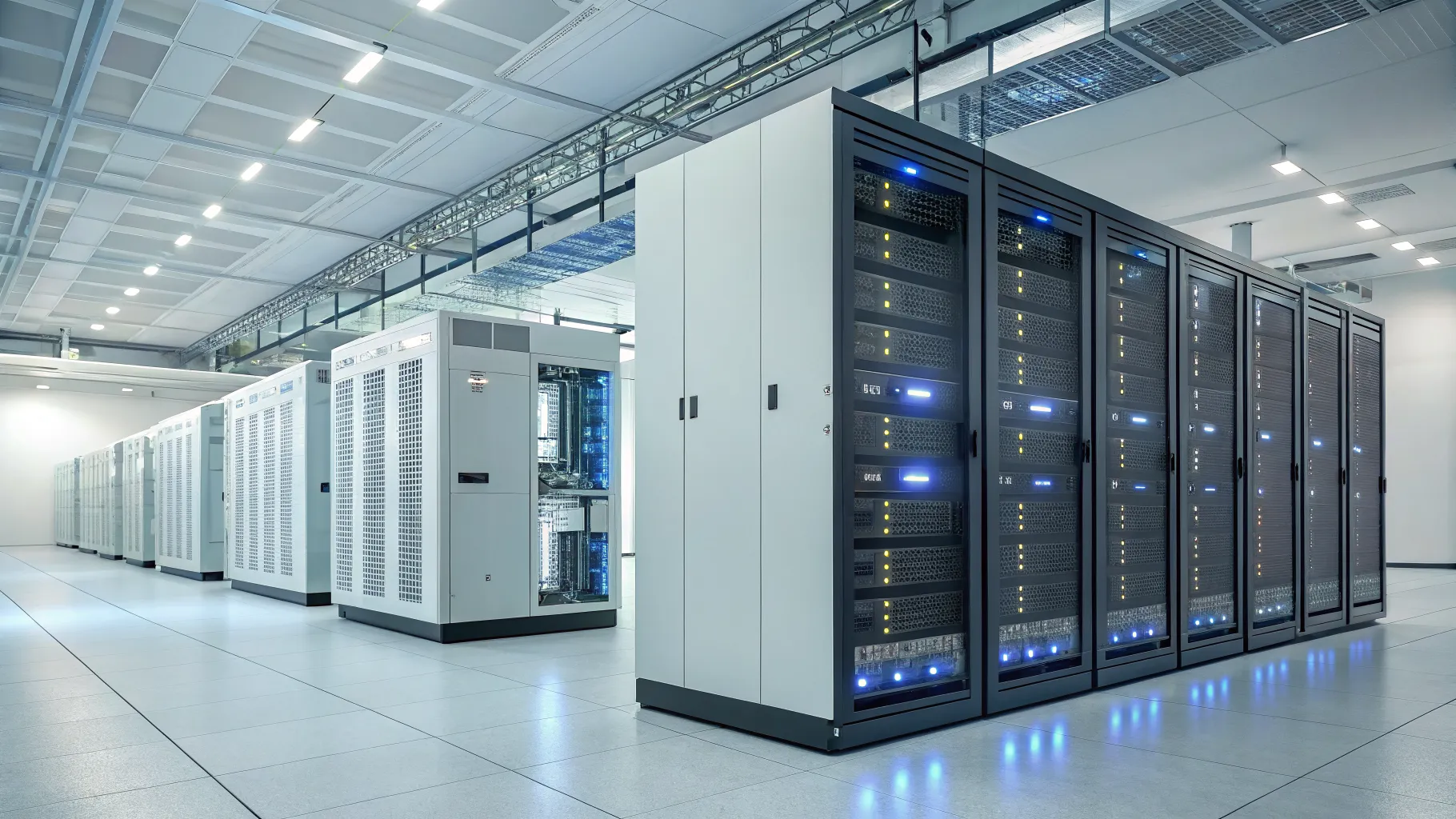
MIT researchers have built an intelligent system to balance tasks across storage devices in data centers, a move that could extend hardware life and improve efficiency. The work addresses a growing pressure on operators to control costs and reduce downtime as data use rises worldwide. While full technical details were not disclosed, the effort signals a fresh push to tune how storage is used at scale.
“MIT researchers developed an intelligent system for balancing the tasks of storage devices inside a data center, which can extend the longevity of storage hardware and help a data center operate more efficiently.”
Why Storage Balance Matters
Data centers rely on banks of solid-state and hard-disk drives to serve files, databases, and backups every second. These devices do not age evenly. Heavy write activity can wear out solid-state drives faster. Hotspots in traffic can leave some disks overworked while others sit idle. Imbalance leads to early failures, higher costs, and service slowdowns.
Operators often use device-level wear leveling and manual tuning to manage load. Those steps help, but they may not respond fast enough to shifts in traffic. They also work at a single-device level, not across the entire fleet. A coordinated system can look across many drives, detect stress, and shift work before damage is done.
What the MIT Team Proposes
The new system uses software to observe workloads and spread them more evenly across storage devices. It aims to steer write-heavy jobs away from drives nearing endurance limits and prevent hot devices from becoming bottlenecks. By doing so, the system seeks to keep performance stable during traffic spikes and extend the time before replacements are needed.
- Balance read and write tasks across many drives.
- Avoid overloading devices at risk of early wear.
- Stabilize performance during peak demand.
The approach hints at continuous feedback: measure usage, decide where tasks should run, and adjust as patterns change. This kind of loop can react to daily and seasonal shifts in demand without constant human oversight.
Industry Impact and Trade-Offs
Extending storage longevity has clear benefits. Replacing fewer drives can cut capital costs and reduce maintenance windows. It can also limit disruptions that come with swap-outs and rebuilds. Efficiency gains may reduce wasted cycles when a few devices carry a disproportionate share of the load.
There are trade-offs. A scheduler that moves data or tasks more often could add overhead. It must avoid creating extra latency or network traffic as it rebalances work. Integration with existing storage stacks is another hurdle. Operators will want assurances that the system cooperates with RAID, caching, and application-level sharding already in place.
How It Could Be Used
Large cloud platforms run mixed workloads: analytics, streaming, and user-facing apps. Each puts different stress on storage. An intelligent balancer can separate intense write bursts from sensitive read paths, improving user response times. In smaller enterprise settings, the same logic can protect a limited set of drives from sudden wear due to backup jobs or batch processing.
The idea also aligns with broader goals to cut waste. Longer-lived hardware means fewer discarded drives and fewer emergency purchases. More predictable performance can help teams plan capacity instead of reacting to failures.
What to Watch Next
Key questions remain. How does the system measure device health in real time? How quickly can it react without hurting latency? Can it learn application patterns and anticipate surges? Answers will shape adoption, especially for operators running strict service-level targets.
Pilots in production-like settings will be crucial. Tests that compare the system against manual tuning and default device wear leveling can show if gains hold under stress. Clear results on endurance, response times, and operational overhead will determine whether the approach becomes standard practice.
The MIT team’s focus on storage balance arrives at a timely moment for data center operators. If the system proves reliable at scale, it could stretch hardware budgets and stabilize services under rising demand. The next phase will be real-world trials, clear benchmarks, and guidance on integrating the tool into complex storage stacks. For now, the promise is straightforward: smoother workloads, longer-lived drives, and fewer surprises when demand peaks.
Related Articles
- Amazon Seeks Oxfordshire Data Center Approval
- The Essential Guide to Multi-Region Scaling Strategies

A seasoned technology executive with a proven record of developing and executing innovative strategies to scale high-growth SaaS platforms and enterprise solutions. As a hands-on CTO and systems architect, he combines technical excellence with visionary leadership to drive organizational success.