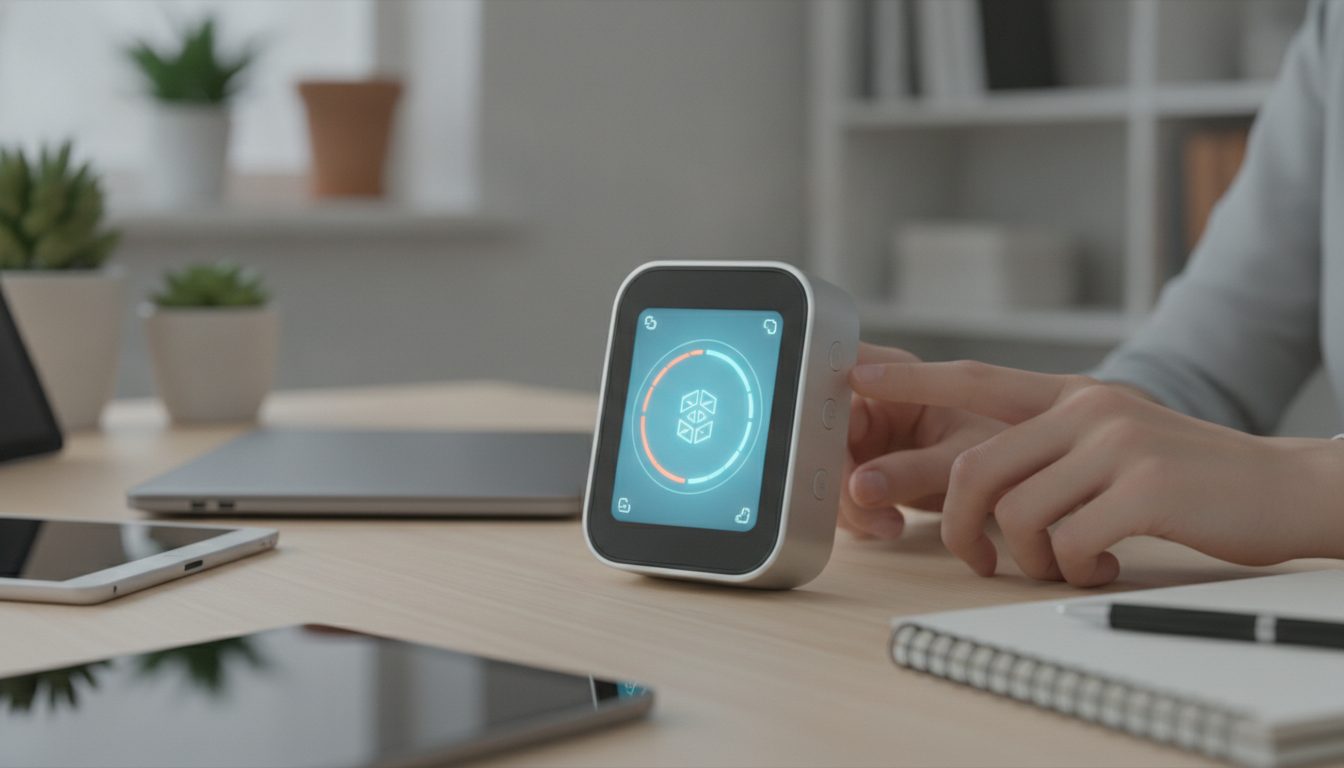
A new productivity gadget is entering a crowded market with a simple pitch: help people focus by cutting interruptions and keeping goals in sight. The company says its small device pairs timers, app blocking, and a bright LED display that shows custom messages and widgets. It is designed for workers, students, and anyone trying to manage screen time and meet deadlines.
The product arrives as many people report rising distraction and fatigue from constant notifications. It offers a desk-friendly approach to time management that aims to reduce phone use while keeping key information visible. Early interest comes from remote workers and students who rely on structured routines to finish tasks.
Why Focus Tools Are On The Rise
Time management tools have surged as work and study moved to laptops and phones. Many workers blend personal and professional tasks in the same apps, which can pull attention away from deep work. Managers often cite lost time from alerts and tab switching. Industry studies report daily mobile use above four hours for many users, a trend that complicates focus at home and in the office.
Timer-based methods like the Pomodoro technique remain popular because they are easy to start and measure. App blockers and site filters have spread across browsers and phones, but they can be easy to bypass or forget. A dedicated device can act as a visible anchor for a schedule, while keeping the phone out of reach.
What The Device Does
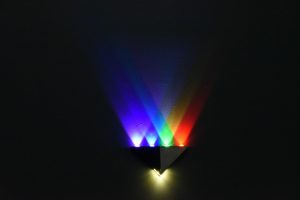
The company’s productivity-focused gadget helps you set timers, block apps, and display custom messages and widgets on an LED display.
That pitch places the device in a growing class of desk companions that reinforce routines. The LED panel turns the schedule into a glanceable cue. Timers encourage short, focused sprints. Custom messages can prompt users to finish tasks, drink water, or step away. Widgets can display a countdown, calendar snippets, or minimal to-do items.
- Timers support structured work sessions and breaks.
- App blocking limits access to distracting software during focus windows.
- LED messages and widgets keep goals visible without opening more tabs.
The company portrays the gadget as a low-friction tool that complements laptops and phones. By shifting key cues to a separate screen, users can reduce the urge to check social apps or email during planned work sessions.
Supporters See Simple Cues, Critics See Another Screen
Advocates of physical focus aids point to habit science. A visible prompt can trigger a planned routine and reduce decision fatigue. For workers with repetitive tasks, small nudges can add up to saved time each day. Educators often recommend timers to help students break large projects into steps.
Skeptics question whether buyers need another device at all. Many phones and computers already include focus modes and site blockers. Some users may also worry that a desk display is yet another light grabbing attention. If app blocking requires phone or desktop integration, setup complexity could deter casual users.
Analysts say the product’s success will hinge on two factors: friction and trust. If timers and blocks are easy to start, and if the display stays readable without glare, the device could earn a permanent spot on desks. If it asks for too many permissions or complicates daily workflows, people will revert to built-in tools.
Privacy, Data, and Workplace Use
Any tool that blocks apps or tracks focus raises questions about data handling. Buyers will look for clear policies about what is stored on the device, what syncs to the cloud, and whether employers can monitor use. Transparent settings, local-only modes, and anonymous analytics would address common concerns.
In offices, team adoption could matter. Shared norms, such as quiet hours marked by synced timers, may increase the benefit. Without group buy-in, individuals might struggle to sustain new habits.
Market Outlook And What To Watch
Demand for focus aids remains steady as hybrid work persists. Hardware products compete with browser extensions, phone focus modes, and simple kitchen timers. This device’s mix of timers, app blocking, and an always-on LED cue sets a clear value proposition if it works across platforms with minimal setup.
Success metrics will include user retention, repeat sessions per day, and reduced time on distracting apps during work blocks. Price, battery life or power options, and widget flexibility will influence adoption. Partnerships with study apps or project tools could broaden appeal.
The launch highlights a practical idea: make focus visible and easy to start. If the company delivers smooth setup, reliable blocks, and helpful widgets, the gadget could earn a place next to laptops and notebooks. If it adds friction or noise, buyers may stick with software modes they already have.
For now, the device signals a steady push to help people manage attention with simple cues, rather than more features. Watch for details on platform support, data practices, and how well the LED display works in real workspaces.

Senior Software Engineer with a passion for building practical, user-centric applications. He specializes in full-stack development with a strong focus on crafting elegant, performant interfaces and scalable backend solutions. With experience leading teams and delivering robust, end-to-end products, he thrives on solving complex problems through clean and efficient code.