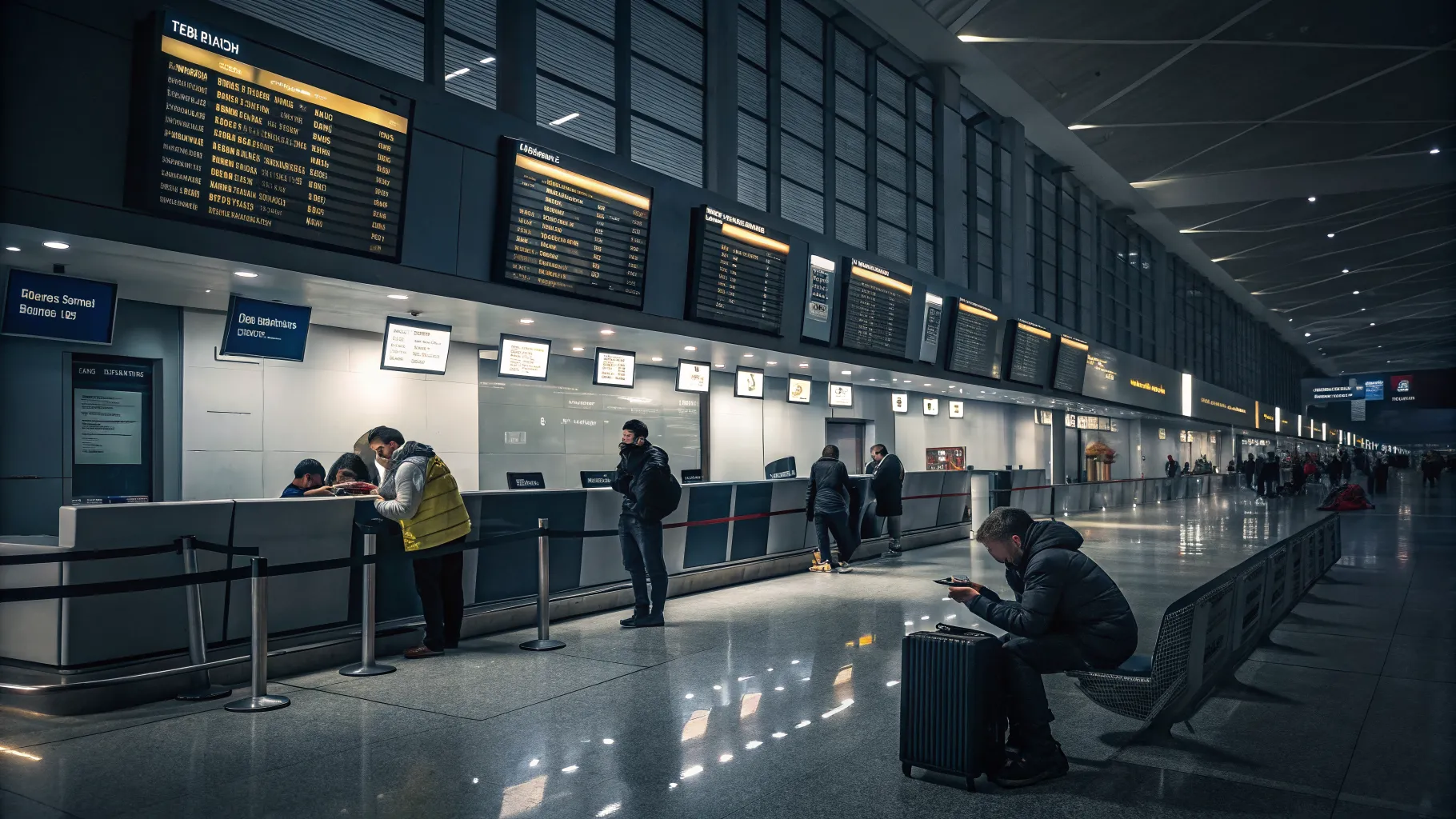
Passengers who arrived for departures found Spirit Airlines operations halted, with airport counters dark and flights apparently grounded. The sudden stoppage left travelers searching for answers and scrambling for options as questions mounted over what was causing the disruption and how long it would last.
While details were scarce at the terminal, the shutdown affected check-in, customer service, and likely flight departures. No official explanation was immediately available. The pause raised urgent concerns about missed connections, overnight stays, and traveler rights.
Travelers arriving at airport find Spirit Airlines shut down
What Happened
Arrivals described a quiet Spirit footprint at the airport. Ticket counters were closed. Staff presence appeared limited. Monitors showed delays or blank listings. Information desks fielded a steady stream of requests from stranded customers.
Without a clear timetable for resuming operations, passengers faced difficult choices. Families weighed whether to wait, rebook on other carriers, or cancel plans altogether. For many, uncertainty was the hardest part.
Possible Causes and Industry Context
Airline operations can pause for several reasons. Weather, air traffic control ground stops, crew availability issues, system outages, and labor actions can each trigger cancellations or temporary shutdowns. Even a short IT failure can disrupt check-in and boarding across multiple airports.
Ultra-low-cost carriers like Spirit often run tight schedules with quick turnarounds and thin buffers. When disruptions occur, recovery can take time as aircraft and crews are repositioned. Similar pauses have affected carriers across the industry in recent years, reflecting the complexity of airline networks and the reliance on technology.
Impact on Travelers
Travelers reported missed events, added expenses, and long lines for help. The situation was particularly hard for those without flexible tickets or backup itineraries. Passengers with international connections faced added complications for visas and re-entry rules if delays stretched overnight.
For many, the immediate concern was lodging and food. Airports often provide limited relief, and airline policies vary by cause of disruption. Passengers sought clarity on vouchers, refunds, and rebooking windows. With no confirmed restart time, some chose to buy last-minute tickets on other carriers, risking higher costs.
What Passengers Can Do Now
In such shutdowns, travelers can take a few practical steps to protect plans and limit costs while waiting for updates.
- Check the airline’s app and website frequently for rebooking options and alerts.
- Document delays with photos of screens and receipts for extra expenses.
- Ask about meal or hotel vouchers if the delay extends overnight.
- Review credit card travel protections for delay and interruption coverage.
- Consider alternative airports or nearby flights if time-sensitive.
Rights, Refunds, and Rebooking
Under U.S. rules, if an airline cancels a flight or makes a significant schedule change and the passenger declines the alternative, a refund is typically due. The definition of “significant” can vary, but full cancellations are clear-cut. For long delays, airlines may offer rebooking at no extra charge, travel credits, or refunds, depending on the cause and policy.
Vouchers often come with restrictions, including expiration dates and blackout periods. Refunds return money to the original form of payment. If passengers rebook on their own with another carrier, reimbursement depends on airline policy and the circumstances that led to the disruption.
Signals to Watch
Key indicators of recovery include updated departure boards, visible staffing at counters and gates, and notifications through the airline’s digital channels. A gradual restart usually begins with shorter routes and aircraft already on the ground. Longer-haul flights may follow once crews and planes are back in position.
Travelers can also monitor airport social media feeds and official advisories. If air traffic control or weather is the cause, broader notices often appear for multiple carriers. If the issue is specific to one airline, updates may come directly from the company once the situation stabilizes.
The immediate priority is clear communication and swift rebooking for stranded customers. Until a cause and recovery timeline are confirmed, passengers face hard choices and potential added costs. The outcome will hinge on how quickly operations restart and how effectively alternative travel is arranged. For now, vigilance, documentation, and flexible planning offer the best path through the disruption.

Kirstie a technology news reporter at DevX. She reports on emerging technologies and startups waiting to skyrocket.