


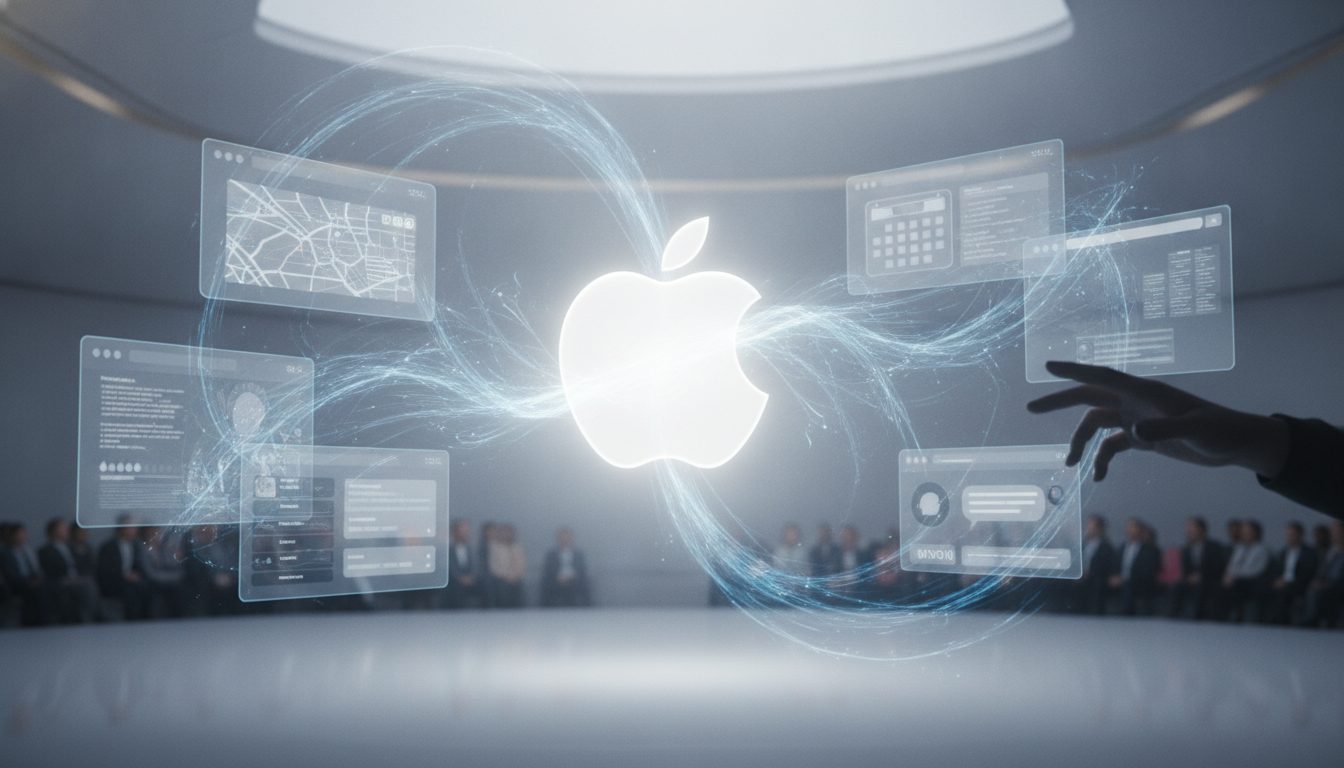
Apple is rolling out a major upgrade to Siri, recasting the assistant as a conversational tool that works across apps and screens. The update, previewed at the company’s developer event in Cupertino, aims to fix long-standing complaints about reliability and usefulness while leaning on on-device intelligence for speed and privacy.
The company plans to introduce the new features on iPhone, iPad, and Mac later this year, with a staged release by region and language. The move adds pressure to rivals from Google, Amazon, Microsoft, and OpenAI in the fast-moving race to build helpful AI assistants for everyday use.
Why This Matters Now
Siri’s refresh comes after years of user frustration and falling behind newer chatbots. Consumers have shifted to AI tools that hold context, summarize information, and carry out multi-step tasks. Apple says the new version of Siri can understand follow-up questions, see what’s on the screen, and act inside apps with fewer taps.
“The new Siri AI is conversational, omnipresent, and actually helpful.”
That promise anchors Apple’s pitch: an assistant that is easier to speak to, available wherever the user is in the system, and capable of doing more without handholding.
What’s Changing Under the Hood
Apple is stressing privacy and responsiveness by running many requests on the device. More complex tasks can be handled in the cloud, with the company saying it uses secure compute and limits data retention. The assistant can now keep context across turns, interpret pronouns in follow-ups, and understand references to on-screen content.
New interface touches include a glow around the screen edge when Siri is active, the option to type to Siri from the same interface, and quick controls that appear inline instead of bouncing the user between apps.
Features at a Glance
- Follow-up questions without restating context.
- Screen awareness to take actions based on what’s visible.
- System-wide presence with voice or typing.
- Deeper app actions, such as editing photos, sending files, or setting up calendar items.
- Privacy focus with on-device processing for many tasks.
How It Stacks Up
Google has been fusing Assistant features with its Gemini models to boost context and reasoning. Amazon previewed a more conversational Alexa with a large language model and is testing new routines and device control. Microsoft has embedded Copilot across Windows and Office, emphasizing productivity and enterprise controls.
Apple’s edge lies in tight hardware and software integration. With more than 2 billion active Apple devices reported in early 2024, even a modest rise in Siri engagement would affect a huge base. The question is execution: whether the assistant can deliver consistent results across languages, accents, and varied app setups.
Developer And User Impact
For developers, Apple is expanding tools so apps can expose specific actions to Siri with less manual setup. If those integrations are simple and reliable, the assistant could complete tasks like “send the latest PDF to my project group” without manual file hunts.
For users, the most immediate benefit may be fewer dead ends. If Siri recognizes context and can chain steps, asking it to “find the email from Maya about the budget and add a reminder for 4 p.m.” should work without crafting a script. Early testers will watch for how often the assistant asks for clarification or misfires.
Privacy, Trust, And Limits
Apple’s privacy pitch remains central. Running tasks on device reduces exposure, but cloud handling for harder requests raises questions about what is logged and for how long. Clear on-screen indicators and permission prompts will matter to win back trust.
Accessibility also stands to improve. A reliable type-to-Siri mode, better speech recognition, and screen awareness can help users who need hands-free operation or have vision or motor challenges.
What To Watch Next
Rollout timing and language support will set the pace. Apple’s history shows new AI features often start in U.S. English and expand over months. Integration depth is another test: the more apps that expose actions, the more useful Siri becomes. And competition will intensify as rivals ship their own upgrades before the holiday season.
If Apple delivers on consistency and privacy, Siri could shift from a last-resort tool to a daily habit. If it falls short, users may continue to split tasks between Siri and third-party chatbots, weakening Apple’s pitch.
For now, the company has set clear expectations: a helpful assistant that understands, follows through, and stays out of the way. The next few months will reveal how well that promise holds under real-world use.

A seasoned technology executive with a proven record of developing and executing innovative strategies to scale high-growth SaaS platforms and enterprise solutions. As a hands-on CTO and systems architect, he combines technical excellence with visionary leadership to drive organizational success.






















