Electronic Arts, the publisher behind The Sims and EA FC, is set to move into private ownership through a deal financed with significant debt. The shift would take one of gaming’s largest third-party publishers off public markets, raising questions about investment, staffing, and the future pace of new releases.
The company is known for life-simulation and sports franchises with global reach. The transaction shifts control to private hands, and the debt used to fund it will sit on the company’s balance sheet. Investors, employees, and players are watching for signals on strategy and spending.
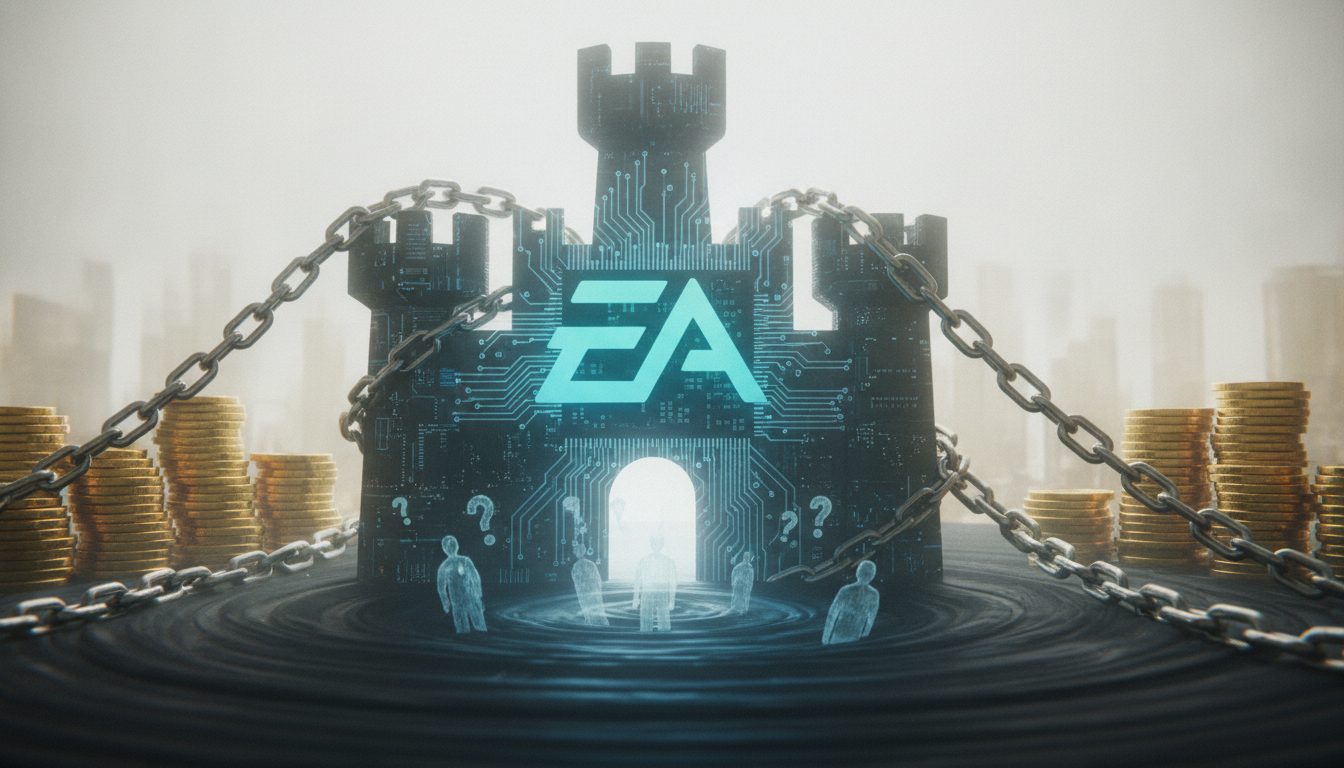
The deal takes the maker of titles including The Sims and EA FC into private ownership – and loads it with debt.
What Going Private Could Mean
Private ownership can streamline decision-making and reduce the pressure of quarterly earnings. Leaders gain room to plan long term without the daily swing of public markets. At the same time, debt service requires steady cash flow, which can shape budgets for new games and technology upgrades.
Electronic Arts generates revenue from annual sports titles and ongoing updates to live-service games. Those lines can support predictable income. But big-budget productions remain expensive and risky, especially when release dates slip.
Debt Load And Strategic Trade-Offs
Leveraged buyouts, common in many industries, often drive cost reviews after closing. Management teams look for savings in marketing, back-office functions, and external contracts. They also prioritize units with the highest returns, which can change release calendars.
- Higher interest costs can limit spending on experimental projects.
- Studios with steady cash flow may see more investment.
- Non-core assets could face sale or consolidation.
Sports licensing remains a major factor. EA FC, the successor to the long-running FIFA series, relies on deals with leagues, teams, and players. Those contracts carry costs but also anchor recurring sales. Debt obligations may increase the focus on partnerships that deliver consistent returns.
Impact On Players And Developers
Players will watch for price changes, added in-game monetization, and the pace of updates. Live-service titles tend to get more resources when budgets tighten, since they bring in frequent purchases. Single-player projects with longer timelines could face tougher greenlight reviews.
For developers, the near-term outlook often depends on integration plans. If the new owners push for efficiency, teams might see changes in staffing or a shift to shared technology tools. If the focus is growth, studios could receive more support to expand successful franchises like The Sims and EA FC.
Industry Benchmarks And Risk
The games sector has seen a wave of deals, from platform acquisitions to publisher mergers. Some groups expanded quickly with debt and later restructured after revenue shortfalls. Others used private control to invest through product cycles and return to growth before going public again.
Electronic Arts sits at the center of a console, PC, and mobile market that is still adjusting after the pandemic spike. Development costs remain high, and delays have become more common. This deal adds a financing layer that rewards predictable performance and careful scheduling.
What Comes Next
The first signs will come from messaging to staff and partners. A clear plan on studio priorities, release timing, and technology bets will set expectations. Investors who exit public shares will look for indications that private ownership aims to raise long-term value, not only cut costs.
Players should watch for updates on franchise roadmaps. The next EA FC cycle and any news on The Sims series will reveal how budgets and timelines are changing. If live-service content accelerates, it could confirm a shift toward revenue stability.
This move could reshape how a top publisher manages risk and growth. If debt pushes for sharper focus, fans may see fewer projects but steadier updates. If ownership backs creative bets, the company could use private status to build the next hit series.
For now, the main fact stands: the company is going private with new debt on its books. The balance between servicing that debt and funding new ideas will define its next chapter.

Deanna Ritchie is a managing editor at DevX. She has a degree in English Literature. She has written 2000+ articles on getting out of debt and mastering your finances. She has edited over 60,000 articles in her life. She has a passion for helping writers inspire others through their words. Deanna has also been an editor at Entrepreneur Magazine and ReadWrite.