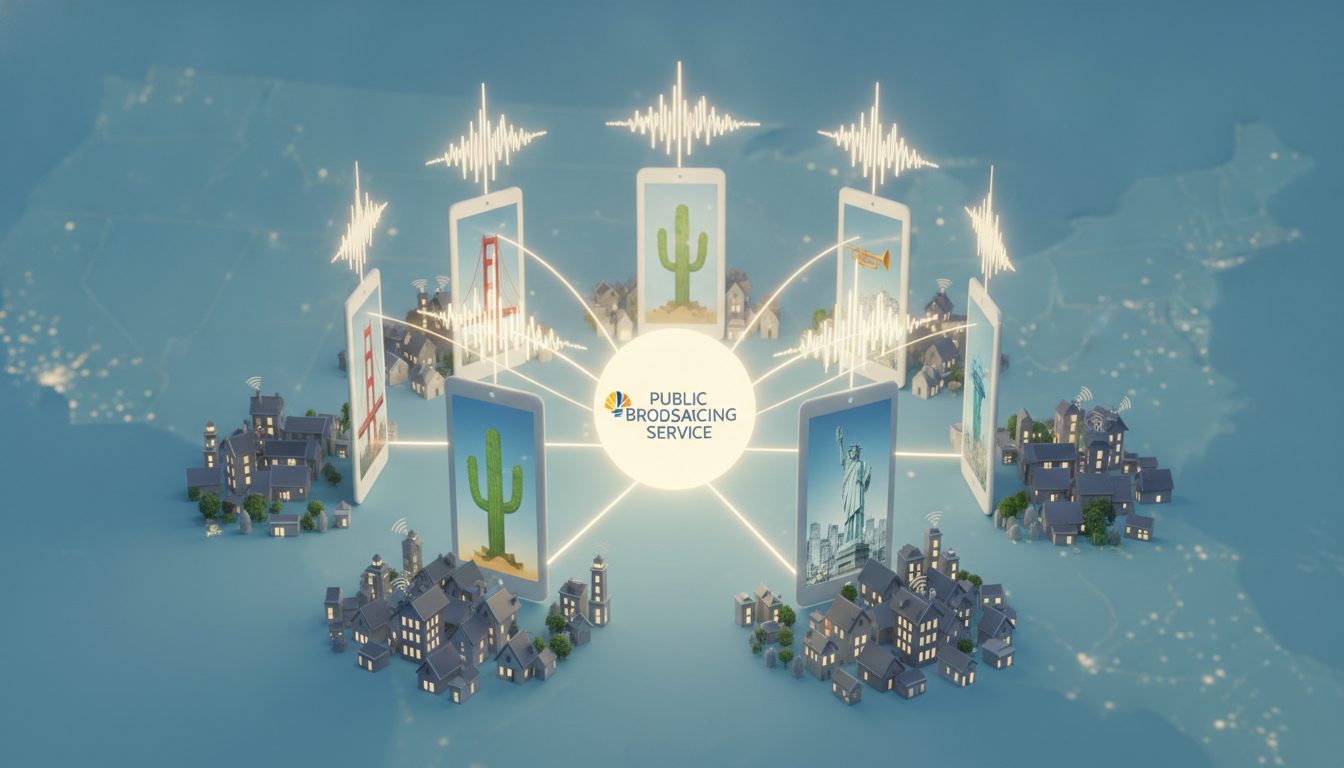
Local PBS stations across the United States are working on a plan to launch station-branded streaming apps that give them more control over programs, fundraising, and audience data. The effort aims to shift power from a single national app to locally curated services that reflect each community. Supporters say the move could strengthen public media at a time when viewing habits are changing fast.
The proposal would let stations build their own streaming presence while still tapping PBS content. It would also add tools to support membership, pledge drives, and analytics. The goal, organizers say, is to match public media’s local mission with how people watch TV now.
The goal is to provide local PBS stations nationwide their own branded, station-curated streaming apps — plus tools for fundraising and audience data — as an alternative to a one-size-fits-all national app.
Why Local Control Matters
PBS is a network of member stations, each with its own board, budget, and community ties. That model has long shaped what viewers see on air. Stations mix national hits with local news, arts, and education projects. Backers of the new plan say streaming should reflect that same mix.
Local staff want more say in what appears first on home screens and which shows get promotion. They also want space for regional series, classroom content, and community events. A station-branded app could highlight a city’s culture and give members a clear path to support it.
What the New Apps Would Offer
The proposal centers on a shared toolkit that stations can adapt. It would blend national programming with local playlists and add features that connect viewing to support.
- Station branding and curation for home screens and collections
- Integrated pledge and membership features tied to viewing
- Audience data dashboards for local teams
- Content placement for regional series, events, and education
Supporters say this approach would make it easier to test ideas and measure results. If a local documentary drives new members, a station could see that in its data and adjust promotions quickly.
Fundraising and Audience Data
Public media relies on many funding sources, including members, foundations, and underwriting. Streaming changes how viewers find shows and how they choose to give. A station-branded app could link a great episode to a clear call to support that station.
Audience data is another draw. Stations want to know what people watch, how often they return, and which shows lead to sign-ups. With better analytics, a station can time messages, improve recommendations, and reduce churn. It can also show funders how its programs perform.
Technical and Cost Hurdles
Building apps for phones, TVs, and tablets is expensive. Stations vary in size and budgets. Some have digital teams. Others do not. A shared platform could lower costs but still needs steady funding and support.
There are also questions about content rights, user privacy, and data sharing. If viewers move between local and national streams, systems must keep sign-ins smooth and protect personal information. Clear rules on who owns and uses data will be key.
Impact on Viewers
For viewers, the promise is simple. Open an app and see the shows they expect from PBS with more local flavor. That could mean faster access to regional news, school resources, and event streams. It could also mean more tailored recommendations.
Some worry about confusion if there are many station apps. Supporters say design standards and shared logins can ease that risk. They argue that better local choices will outweigh extra steps.
How This Fits Industry Trends
Streaming now accounts for a large share of TV time in the U.S., as cord-cutting continues. Public media must meet audiences where they watch. Other networks have moved to direct-to-consumer services. PBS has balanced that shift with its member model. This proposal pushes that balance further toward local control.
Analysts say a hybrid approach could help public media hold viewers while protecting station revenue. The challenge is execution at scale across many markets.
What to Watch Next
Key milestones include pilot launches, early fundraising results, and adoption by small and mid-size stations. Watch for agreements on data governance and user privacy. Also watch for how the apps handle premium archives for members and access for classrooms.
If the plan works, stations could gain new members, better insights, and stronger ties to their communities. If it stalls, PBS may face harder choices about centralizing streaming. The next year will show whether local control can thrive on connected screens.
For now, the intent is clear. Stations want tools that reflect their mission and give them a direct link to viewers. The success of that shift will depend on funding, product quality, and trust.

Kirstie a technology news reporter at DevX. She reports on emerging technologies and startups waiting to skyrocket.