An incident at Tata Electronics has drawn attention to the company’s rapid growth in technology supply chains. The development comes as the manufacturer scales up production in India, a key hub for global electronics brands seeking to diversify sourcing. While details remain limited, the timing highlights the pressure on fast-growing suppliers to meet quality, safety, and delivery standards.
Tata Electronics, part of the Tata Group, has become a central player in precision manufacturing for smartphones and other consumer devices. The company’s growth aligns with India’s push to expand electronics production through incentives and export targets. The current episode tests how maturing suppliers manage operational controls while adding capacity.
Rising Role in Global Supply Networks
India has attracted major electronics investments in recent years, encouraged by production-linked incentives and a drive for supply chain resilience. Global brands have increased orders from Indian plants to reduce concentration risk and shorten lead times to key markets.
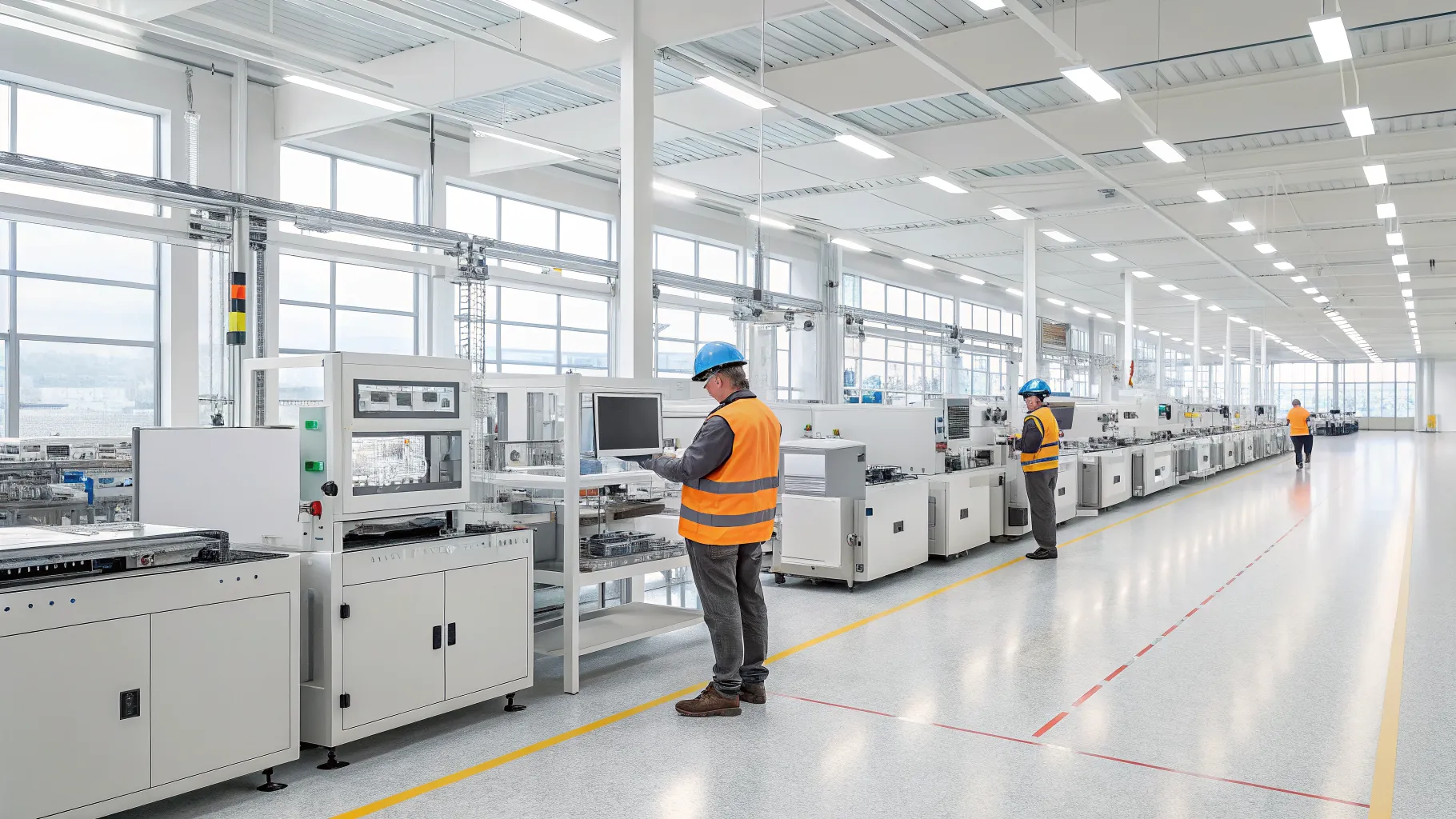
Tata Electronics has pursued larger orders and new product categories. It has invested in tooling, automation, and workforce training to meet international standards. As volumes rise, even small glitches can disrupt delivery schedules and draw scrutiny from customers and regulators.
“The incident comes as Tata Electronics expands its role in global technology supply chains.”
The statement captures the tension between scaling up and staying consistent. It also reflects growing public interest in factory operations, worker safety, and environmental compliance.
What’s at Stake for Manufacturers
Incidents at high-volume electronics facilities can lead to production slowdowns and contract reviews. They may also trigger audits on safety, supplier vetting, and traceability. For a company expanding into new lines, quick containment and clear communication are essential to protect customer confidence.
- Operational risk: production delays and rework costs
- Reputation risk: brand perception with buyers and end users
- Regulatory risk: inspections, penalties, or mandated fixes
Analysts note that most disruptions are short-lived when companies have incident response plans. The difference is often the speed of root-cause analysis and the transparency of corrective actions.
Context: India’s Electronics Push
India’s government has encouraged electronics exports through incentives tied to output and investment. States compete for factories with land, infrastructure, and training support. This has accelerated job creation and supplier clustering around major hubs.
Supply chains are also changing as firms look to add a second or third manufacturing base. India has benefited from this shift, but the transition places high demands on local systems for logistics, power, and skilled labor. Companies must scale while keeping tight quality control.
Industry Reactions and Next Steps
Investors often watch for three signals after a factory incident: the scope of disruption, the timeline for fixes, and independent validation of improvements. Large buyers typically request immediate reports and may dispatch onsite teams. Suppliers that share findings and timelines tend to preserve trust.
Labor advocates emphasize worker safety training and clear reporting channels. Environmental groups monitor waste handling and emissions in high-growth industrial zones. Local officials focus on compliance and continuity of operations to protect jobs and exports.
For Tata Electronics, the path forward likely includes a structured review, targeted upgrades, and renewed training. Clear updates to partners can help keep programs on track.
What to Watch
Key indicators in the weeks ahead will include production run rates, audit outcomes, and any changes to delivery schedules. Market response will depend on whether the issue was isolated or systemic.
Competitors will study how the company manages risk while scaling. The broader sector will look for lessons that improve factory standards and supplier development across India.
The episode highlights the reality of rapid expansion in a strategic industry. As Tata Electronics grows its global role, it will be judged on speed, quality, and accountability. The immediate test is containment and clarity. The long-term measure is whether the fixes make future operations steadier and safer.

Senior Software Engineer with a passion for building practical, user-centric applications. He specializes in full-stack development with a strong focus on crafting elegant, performant interfaces and scalable backend solutions. With experience leading teams and delivering robust, end-to-end products, he thrives on solving complex problems through clean and efficient code.