


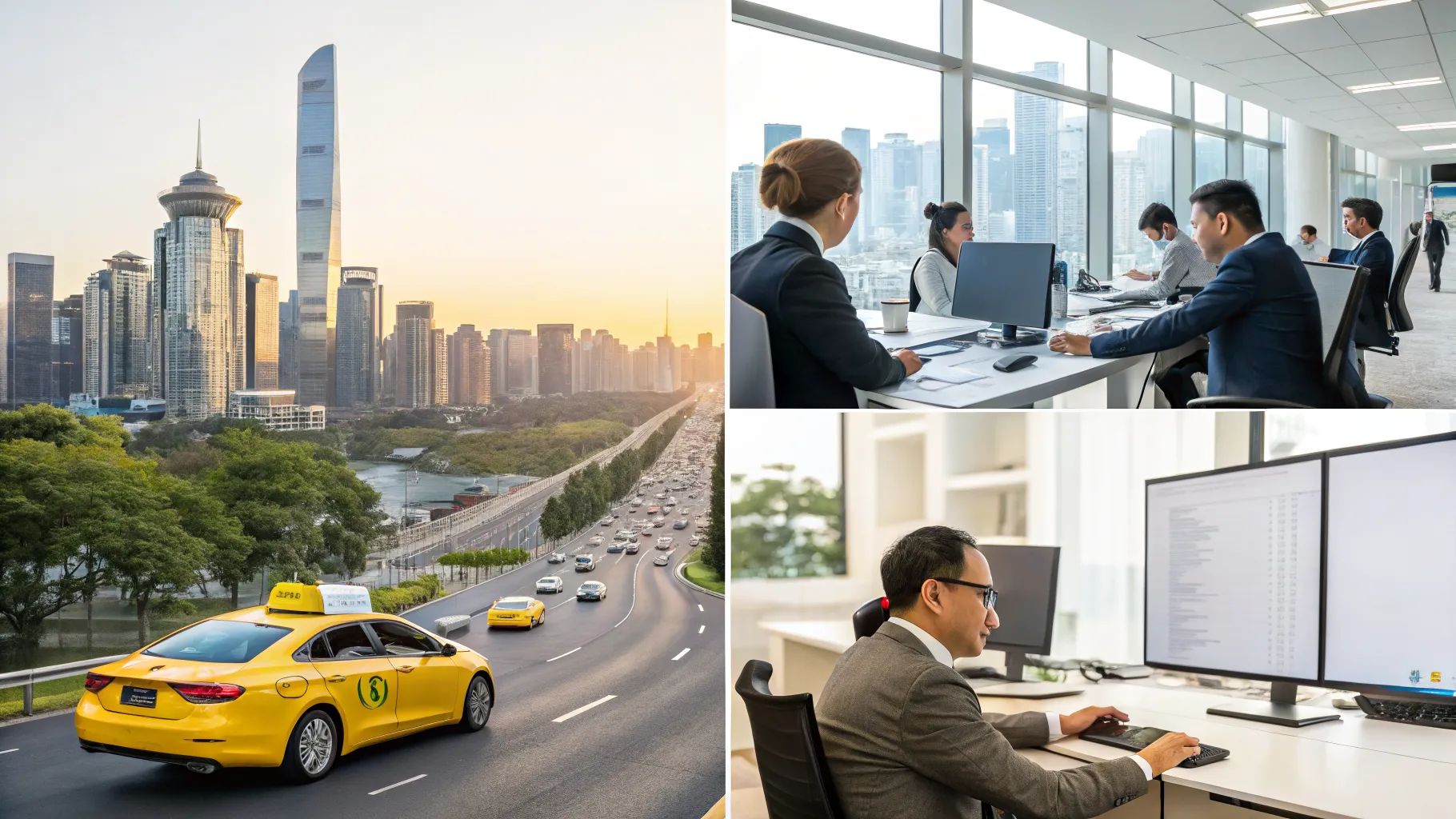
Three forces are shaping the week in business: how major tech firms manage people, the fight over driverless rides, and what comes after Warren Buffett. The issues touch jobs, streets, and markets. They also point to where power and money may move next.
“In this Sunday edition of BI Today, we’re talking about Big Tech’s new management strategy, robotaxi wars, and Warren Buffett’s retirement.”
The shake-up in tech leadership styles follows a cycle of layoffs and a race to ship artificial intelligence tools. Robotaxis are back in the spotlight as regulators and companies clash over safety and access. And investors again ask how Berkshire Hathaway will run when Buffett steps aside. Each story has fresh stakes and a long backstory.
Big Tech Rewrites Its Management Playbook
Large tech employers are tightening goals, cutting layers, and pushing teams to move faster. After a hiring surge during the pandemic, many companies trimmed staff through 2023 and 2024. Leaders now stress smaller teams, clearer metrics, and a return to offices for more days.
Executives say tighter focus is needed to win in AI and core products. Managers are being asked to own fewer projects and ship on shorter timelines. Some firms tie bonuses more to measurable outcomes than to headcount or scope. Employees see a harder bar for promotions and renewed attention on performance reviews.
Critics warn this shift can dull creativity and increase burnout. Supporters argue that slimmer teams cut meeting time and reduce drift. The trade-off is speed versus stability. The stakes are high because the next big AI feature or cloud service can move stock prices and market share overnight.
History offers a guide. After the dot-com bust, tech firms emphasized profit over growth, then eased up in the mobile boom. Today looks similar: cost control paired with fast bets in AI, chips, and data centers. The winners will balance risk with discipline.
Robotaxi Battles Move From Streets to Statehouses
Autonomous ride services are expanding and facing more scrutiny at the same time. Waymo has grown service zones in cities like Phoenix and parts of the San Francisco Bay Area. Cruise paused service nationwide in late 2023 after a serious incident in San Francisco and is working under tighter oversight.
Regulators weigh two questions: Are the cars safe today, and who decides where they can drive? City leaders push for more control over routes and incident reporting. State agencies focus on testing standards and permits. Federal officials look at crash data and software updates.
Safety data is mixed. Some trips run clean for months. Yet rare failures cause outsized harm and public concern. Labor groups, taxi drivers, and ride-hail contractors fear income losses if robotaxis scale. Disability advocates point to gains from on-demand rides that do not cancel shifts.
Companies say robotaxis reduce human error and can cut traffic deaths. Skeptics counter that edge cases remain hard, especially in dense downtowns. Any major expansion will likely depend on clearer rules for incident reporting, remote assistance, and liability.
Buffett’s Eventual Exit and the Berkshire Puzzle
Warren Buffett, 93, remains the face of Berkshire Hathaway. Investors still study his letters and Q&A sessions for clues. But succession has moved from theory to plan. The board named Greg Abel as future CEO in 2021, and senior executives have repeated that message since.
Abel oversees Berkshire’s non-insurance operations and is known for steady execution. Ajit Jain leads insurance, the company’s profit engine. The investment portfolio is expected to be managed by Todd Combs and Ted Weschler. Berkshire holds massive cash reserves, giving the next team room to act in a downturn.
Shareholders ask three things. Will Berkshire keep its decentralized model? How will capital be allocated without Buffett’s instincts? And will buybacks or big acquisitions drive returns? The likely answer is continuity with cautious changes. Berkshire has added buybacks in recent years and can keep doing so when shares trade below intrinsic value.
Markets may react when Buffett steps back, but the structure is built to last. The key test will be the next crisis. If Berkshire deploys cash well under new leadership, confidence will stick.
What This Means Now
These three threads tie together. Tech’s leaner management aims to ship AI features faster, which can fuel demand for data centers and chips that Berkshire owns in parts of its portfolio. Robotaxis depend on AI progress and regulatory trust, both shaped by how tech firms manage risk and report results.
- For workers: Expect tighter goals and more in-office time.
- For cities: Watch pilot zones, new safety rules, and public data.
- For investors: Follow Berkshire’s capital moves and cash levels.
In the week ahead, look for updates on robotaxi permits, corporate earnings that detail headcount and AI spending, and any Berkshire remarks on succession. The common theme is discipline. Companies that pair speed with care—on code, safety, and capital—are set to shape the next chapter.
Related Articles

Kirstie a technology news reporter at DevX. She reports on emerging technologies and startups waiting to skyrocket.






















