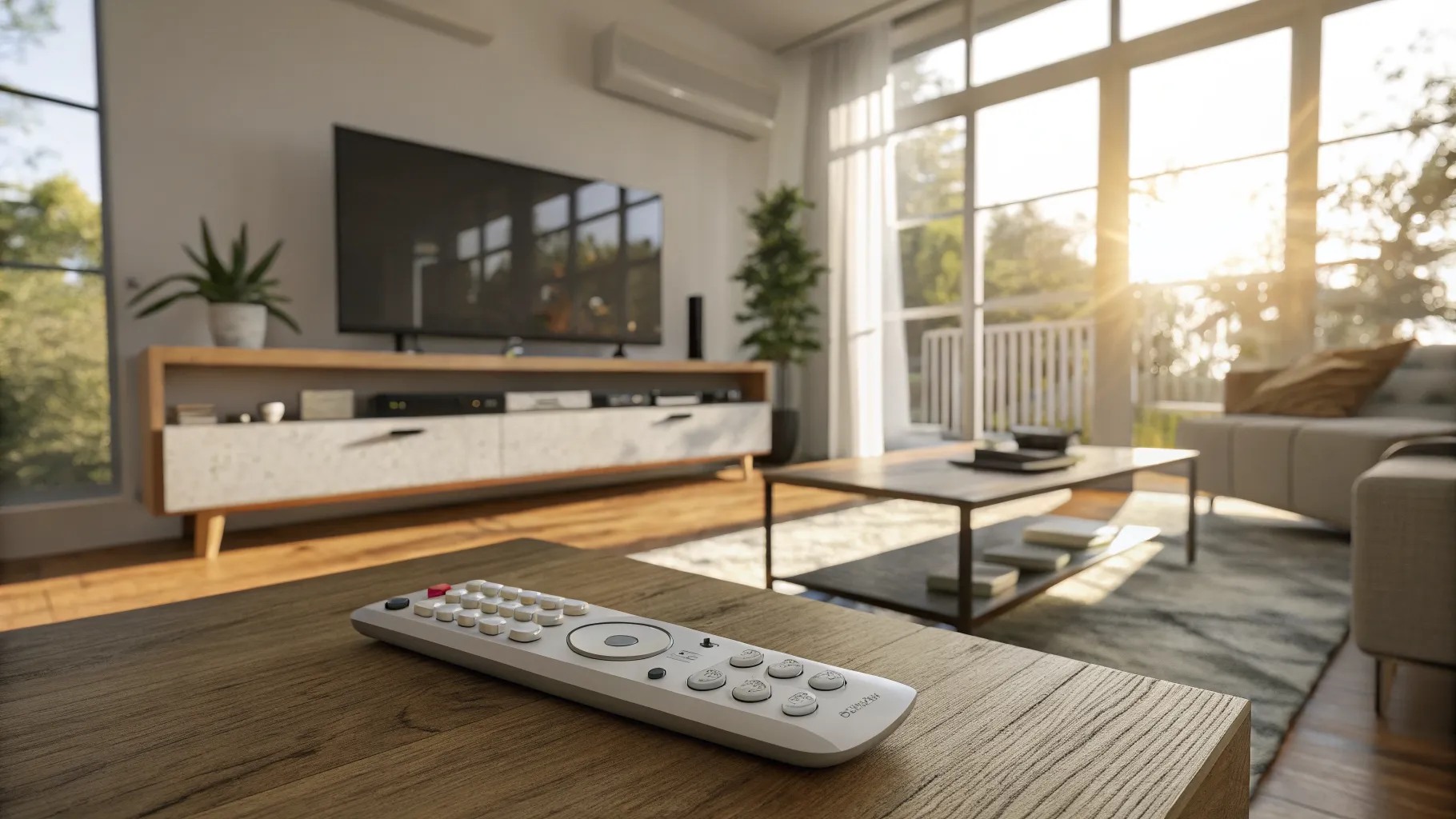
A fresh call to revive the Harmony universal remote has reignited debate among home-theater fans and gadget buyers who juggle multiple devices and apps every night. A recent discussion on the tech show Version History urged a rethink of the discontinued line, arguing that living rooms remain too complex to manage without a true, single controller.
Logitech halted production of Harmony remotes in 2021 but pledged continued support. Since then, streaming boxes, game consoles, soundbars, and smart lights have multiplied, while many living rooms still lack a simple way to control everything at once. That gap is fueling new interest in a proven tool that once stitched it all together.
A Nostalgic Rallying Cry
“Bring back the Harmony remote!”
The refrain captures a wider frustration: voice commands and app-based controls have not replaced the speed and certainty of a single, dedicated remote. Enthusiasts say they want hard buttons, reliable macros, and quick device switching without digging through phone menus or shouting at a speaker.
How We Got Here
Harmony earned a following for programming macros that turned on devices in the right order, set inputs, and adjusted lighting. It also supported a large library of infrared codes and, in later models, Wi-Fi and Bluetooth control.
Logitech ended the line in April 2021, citing a shrinking market for dedicated remotes. The shift mirrored broader trends: streaming platforms shipped their own simple remotes, TVs added basic device control through HDMI-CEC, and voice assistants promised hands-free commands.
But CEC can be inconsistent across brands, and voice control often fails with niche functions or complex scenes. As more devices join the stack—AVRs, projectors, media streamers, gaming systems—the old pain points have resurfaced for serious users.
The Case For A Comeback
Advocates say a modern universal remote still solves problems that apps and voice do not. They point to three needs:
- Reliable, one-press activities that work across brands and standards.
- Hard-button control for volume, transport, and quick adjustments in the dark.
- Integration with smart lighting and scenes without juggling multiple apps.
Some alternatives exist, including midrange universal remotes and high-end custom systems. Yet many sit between two extremes: budget options with limited databases, or expensive, installer-only platforms that exceed mainstream budgets.
Counterarguments And Industry Constraints
On the other side, device makers argue that TV remotes are simpler, and that most viewers stream from a single platform. They see phones and voice as “good enough” for the rest. Cost pressures and supply-chain volatility also make niche hardware risky.
For a company considering a revival, ongoing service is as important as the hardware. Harmony’s appeal relied on a living database of device codes, frequent updates, and easy setup software. Maintaining that service takes staff and long-term commitment.
What A Revival Would Need
If a new universal remote returns, it will have to meet higher expectations:
- Support for IR, Bluetooth, and Wi-Fi devices, with fast updates to the device library.
- Stable macros that handle edge cases, like projector warm-up times and AVR input quirks.
- Simple onboarding, cloud backup of setups, and local control as a fallback.
- Smart home tie-ins for lights and scenes, while keeping core AV control fast.
What To Watch Next
Shifts in living-room tech could shape demand. New gaming consoles and streaming devices keep arriving. TV makers may improve CEC reliability, but gains are uneven. Smart home standards promise better device coordination, yet adoption is gradual.
For now, the renewed push reflects a persistent problem: too many devices, not enough harmony in how they work together. Whether a major brand answers the call or a newcomer steps up, the audience is listening.
The takeaway is straightforward. A dependable universal remote still solves a real, daily pain for many homes. If a credible product matches modern needs and offers long-term support, it could win back a loyal crowd—and tidy up the coffee table once again.

Senior Software Engineer with a passion for building practical, user-centric applications. He specializes in full-stack development with a strong focus on crafting elegant, performant interfaces and scalable backend solutions. With experience leading teams and delivering robust, end-to-end products, he thrives on solving complex problems through clean and efficient code.