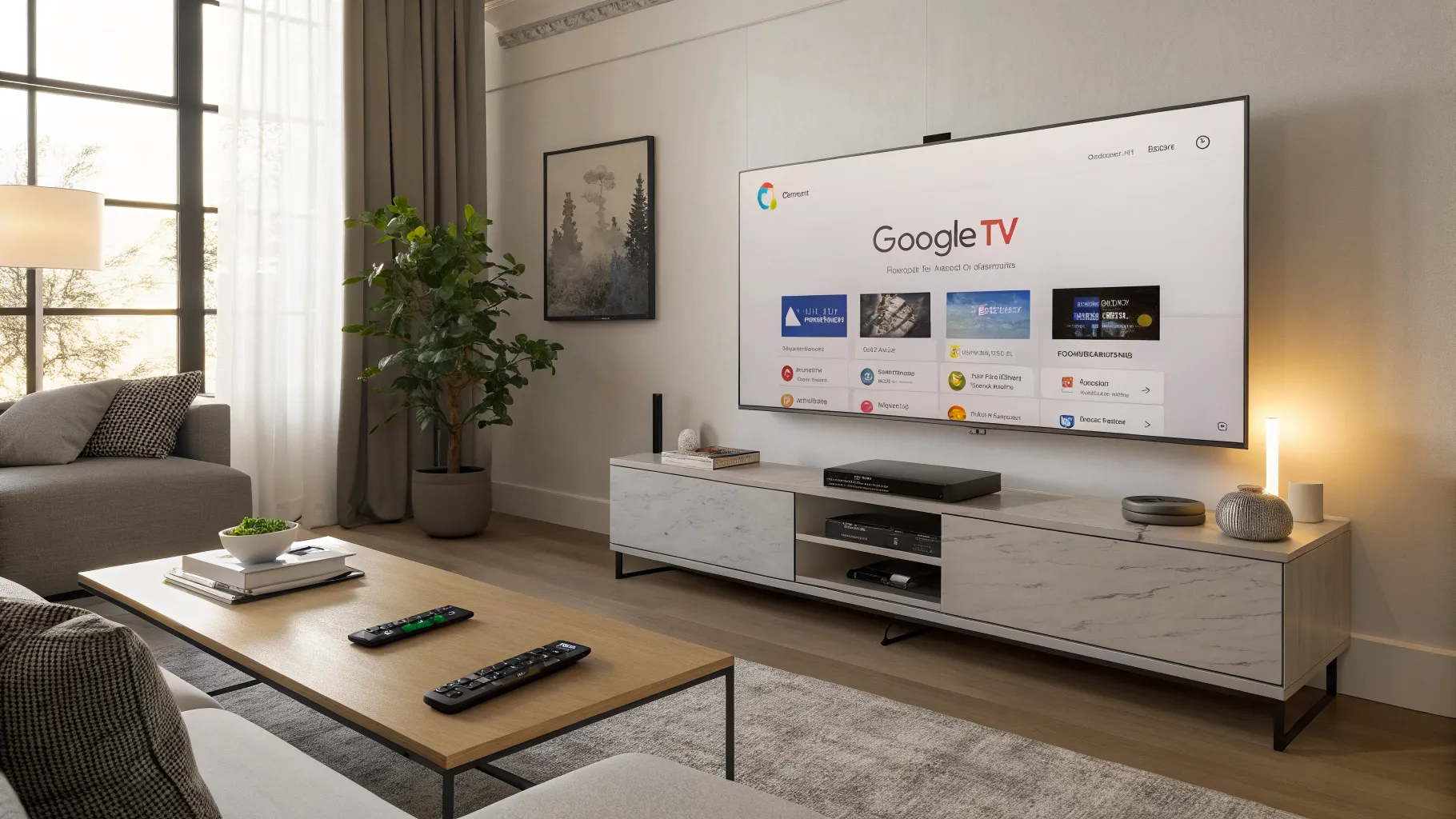
Google is bringing three Gemini-powered tools to Google TV, signaling a bigger push to weave generative AI into the living room. The company says visual responses, deep dives, and sports briefs are on the way, aiming to make search, discovery, and quick updates easier from the couch.
The update targets viewers who want richer answers without picking up their phones. It also speaks to the race among TV platforms to add smarter assistants that can summarize, explain, and tailor content in real time.
What Is Changing on Google TV
“Three Gemini-powered features are coming to your Google TV. This includes visual responses, deep dives, and sports briefs.”
Each feature targets a different kind of question or task:
- Visual responses: AI-generated answers that use pictures or graphics where helpful.
- Deep dives: Longer, structured explainers that bring context to topics or shows.
- Sports briefs: Short updates on scores, plays, and schedules.
Together, they suggest a move from basic voice commands toward richer, multi-step help. A viewer could ask for a movie’s backstory, get a quick primer, and then jump straight into a recommended title or trailer.
Background: Why TV Platforms Are Adding AI
Smart TVs have long offered voice search and universal guides. But results often felt shallow, scattered, or trapped inside separate apps. Generative AI now promises follow-up questions, summaries, and visuals that sit inside one view.
For Google, Gemini is its flagship AI model used across services like search and mobile assistants. Bringing it to TV aligns with a broader strategy to keep users inside the Google experience while they watch, browse, and ask questions.
The push also reflects how people watch now. Viewers juggle movies, live sports, streaming bundles, and short clips. Tools that cut friction and provide quick context could lift engagement and reduce app-hopping.
How the New Tools Could Work
Visual responses could present charts, stills, or simple graphics when a question needs more than text. Think of a team’s recent record shown as a quick panel, or a cast list shown with images.
Deep dives may look like on-screen explainers that break a topic into sections. A user curious about an actor’s career might see highlights, awards, and notable roles, then get links to watch.
Sports briefs aim for speed. A user could ask for a score, a key stat, or when a game starts, and get a short, clear answer without leaving the current screen.
Implications for Viewers and Industry
If the features are fast and accurate, they could change how people search on TV. Viewers may rely less on phones for quick facts or summaries.
Content discovery could become more personal. AI-generated explainers can direct viewers to related titles, extras, or live channels, potentially boosting watch time.
For publishers and leagues, sports briefs raise questions about data rights and real-time feeds. Partnerships and licensing will matter for freshness and accuracy.
The move also pressures rivals. TV platforms that stick to basic voice search may feel dated if on-screen AI proves helpful and easy to use.
Privacy, Accuracy, and Safety Questions
AI on the TV raises privacy concerns. Voice queries, viewing history, and personalized summaries are sensitive. Clear settings and simple controls will be key.
Accuracy is another test. Wrong answers on a big screen can erode trust quickly. Users will expect sources, the ability to correct mistakes, and options to see more detail.
Families will want guardrails. Profiles, content filters, and safe responses must work across different age groups.
What to Watch Next
Key signals to track include how the features appear in the interface, whether they work across apps, and how fast they respond. Integration with live sports and major streaming services will be a marker of real value.
Developers and media partners will look for tools to plug their content into deep dives. If Google opens pathways for verified data and metadata, the experience could improve over time.
Pricing and ads are open questions. If AI summaries steer viewers to certain titles, expect debates about promotion and transparency.
Google’s push shows where TV interfaces are heading: faster answers, richer context, and help that reduces clicks. The test will be execution. If visual responses, deep dives, and sports briefs deliver clear, accurate results, they could become everyday tools for viewers and a new standard for the smart TV experience.

Deanna Ritchie is a managing editor at DevX. She has a degree in English Literature. She has written 2000+ articles on getting out of debt and mastering your finances. She has edited over 60,000 articles in her life. She has a passion for helping writers inspire others through their words. Deanna has also been an editor at Entrepreneur Magazine and ReadWrite.