Tension rose in court on the third day of proceedings as OpenAI’s legal team pressed Elon Musk under cross-examination, sharpening the focus on a high-profile dispute over the direction of artificial intelligence. The exchange highlighted the stakes for the tech industry and the public, with questions about leadership, transparency, and control of advanced AI systems at the center of the case.
Flashpoint in the Courtroom
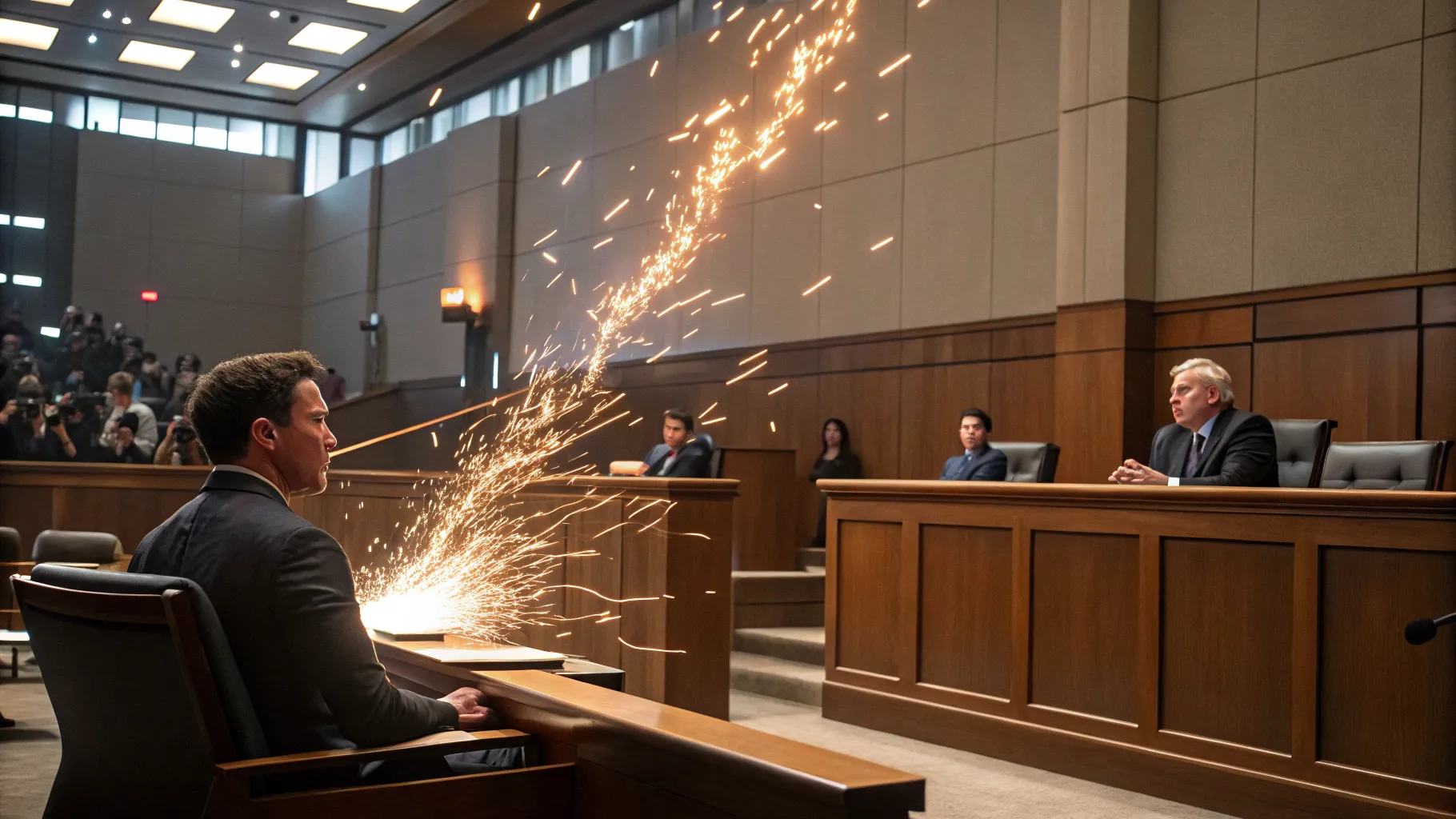
Tensions flared on the third day of trial in Musk v. Altman as OpenAI’s lawyers cross-examined Musk.
The courtroom tone shifted during an extended cross-examination, a phase that often tests a witness’s claims and credibility. While proceedings remained under standard court rules, the back-and-forth hinted at a broader conflict: how ambitious AI research should be governed and who sets the guardrails.
Cross-examination typically seeks to narrow disputed facts and probe motivations. Here, that likely included questions about strategic choices, leadership decisions, and public statements that have fueled years of friction between the parties.
Background: A Rift Years in the Making
Elon Musk helped found OpenAI in 2015, aiming to advance AI while reducing risks to society. He later departed the group in 2018 and has since criticized its direction. Sam Altman, who leads OpenAI, has defended the organization’s approach and its hybrid structure, which includes a nonprofit and a capped-profit entity.
The split has played out in public commentary and legal claims. Musk has argued that OpenAI drifted from early commitments to openness and public benefit. OpenAI has responded that its structure is designed to fund expensive research while staying aligned with safety goals and public interest.
That divide now frames a courtroom fight with implications for how AI labs balance rapid progress with accountability.
What the Trial Could Decide
The case could clarify how mission-driven tech groups manage commercial partnerships, share research, and handle intellectual property as their models grow more capable. It may also shape expectations for transparency in reporting safety practices and evaluating model behavior.
- Ownership and control of research and models
- Disclosure standards for safety and testing
- Responsibilities of leaders to stated missions
- How nonprofit and for-profit arms coordinate
Each point matters to investors, researchers, and regulators who watch for signals on how large AI projects will be financed and governed.
Industry Stakes and Public Interest
Advanced AI has become central to business strategy and national policy. Companies are racing to build larger models and integrate them into consumer tools and enterprise software. That race has amplified concerns about transparency, competition, and safety standards.
Legal experts say trials like this can influence behavior even beyond the parties involved. Leadership testimony, internal documents, and courtroom findings often set informal benchmarks for corporate conduct, especially in fast-moving fields.
The public interest runs deeper than market share. Communities and workers are weighing the effects of AI on jobs, education, and civic life. Clear rules about safety, testing, and disclosure could help build trust.
Multiple Viewpoints, One Core Question
Supporters of Musk see the case as a push for stronger accountability around stated missions and safety commitments. They argue that public promises should carry weight when technologies affect millions of people.
Supporters of Altman and OpenAI argue that flexible structures are needed to fund expensive research while maintaining safety programs. They say strict limits on partnerships or revenue could slow progress and reduce oversight resources.
Both views circle a single core question: how to align breakthrough research with protections for the public.
As the trial moves forward, the courtroom exchanges offer a rare window into leadership choices at a major AI lab. The latest session made clear that the scrutiny will be intense. The outcome may shape how AI organizations explain their missions, share results, and set safety standards. Observers should watch for rulings on disclosure practices and governance structures, as well as any guidance on balancing research speed with public safeguards.

Deanna Ritchie is a managing editor at DevX. She has a degree in English Literature. She has written 2000+ articles on getting out of debt and mastering your finances. She has edited over 60,000 articles in her life. She has a passion for helping writers inspire others through their words. Deanna has also been an editor at Entrepreneur Magazine and ReadWrite.