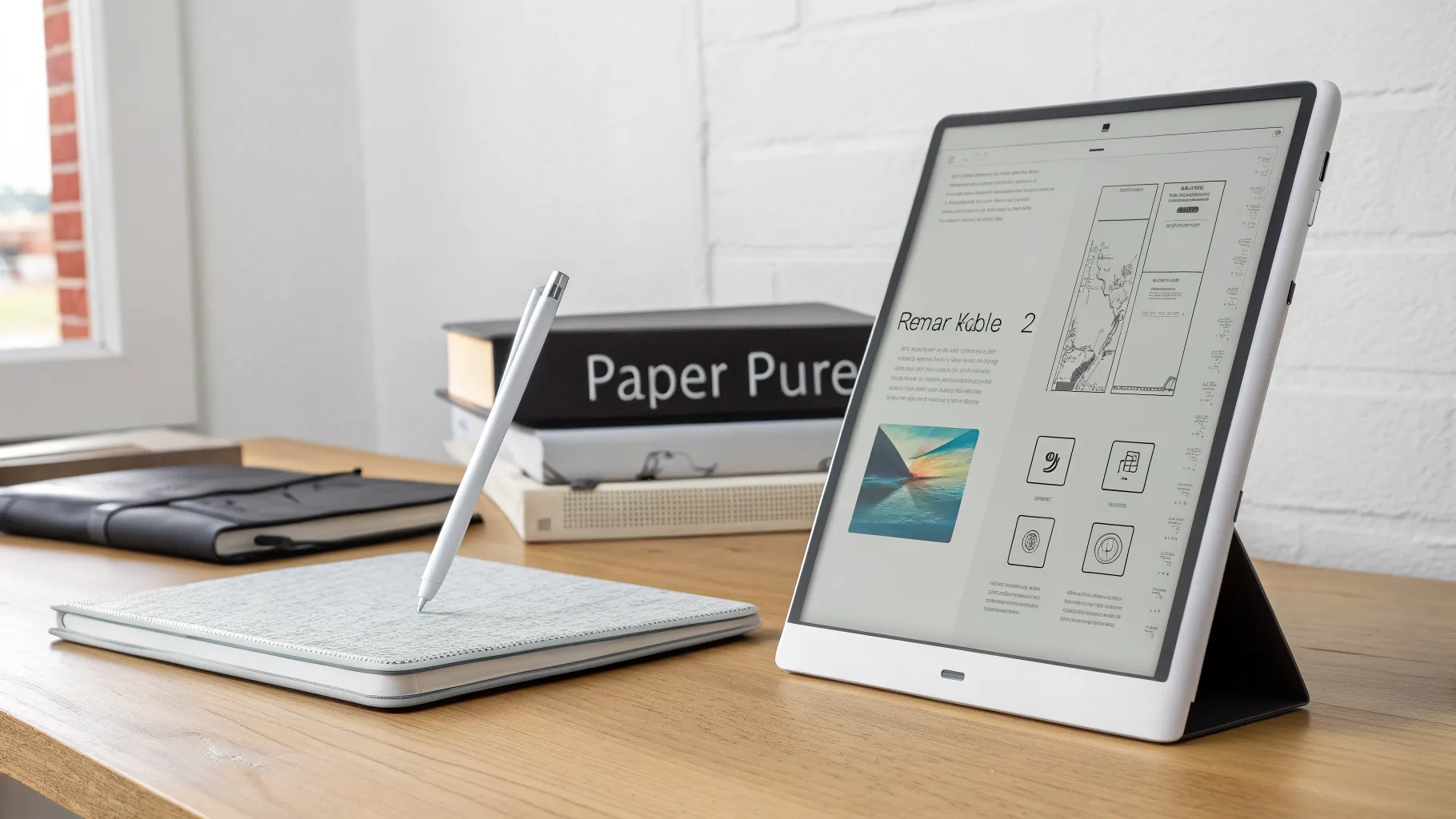
A new e-paper tablet called Paper Pure is set to replace the reMarkable 2, which is being retired six years after its launch. The move signals a shift in the market for distraction-free writing and note-taking devices, as makers race to offer faster performance in slimmer designs. The change affects users worldwide who rely on minimalist tablets for work, study, and reading, and raises questions about what comes next for both products and their users.
“The new Paper Pure is lighter and faster than the reMarkable 2, which is going to be retired six years since its launch.”
A Changing Market for E‑Paper Devices
E-paper tablets have drawn steady interest from professionals, students, and readers who want a focused workspace. Devices in this category aim to reduce screen glare, cut distractions, and extend battery life compared to traditional tablets. Over the past several years, the field has expanded with models that add pen input, cloud sync, and cleaner software.
The retirement of the reMarkable 2 marks the end of a long run for a device that helped shape this segment. Its focus on writing feel and minimal apps set the tone for many rivals. Now, a lighter and faster successor from a competitor points to shifting priorities: speed, portability, and quicker workflows.
What “Lighter and Faster” Could Mean for Users
Weight matters for readers and note-takers who hold a device for long sessions. A lighter device can reduce fatigue and make travel easier. Faster performance can cut the lag between pen and screen, improve page turns, and shorten sync times.
- Lighter: Easier one-handed use and better comfort in meetings or lectures.
- Faster: Smoother handwriting, quicker navigation, and more responsive menus.
Together, these gains can sharpen the core appeal of e-paper tablets: a calm, paper-like experience without the pull of full-featured tablets.
Farewell to a Mainstay: reMarkable 2’s Legacy
After six years on the market, the reMarkable 2 leaves a clear imprint on digital handwriting. It set expectations around pen latency, matte screens, and a stripped-down interface. Many users valued its focus on writing first, with few distractions. Its retirement suggests that even category leaders must keep pace with user demands for speed and lighter builds.
Some owners will ask about software updates, repair options, and accessory support. Others may weigh whether to keep their device or move to newer hardware. While details on long-term support were not provided, the community often looks for export tools and backup plans to protect notes and documents during transitions.
Industry Impact and Competitive Pressures
The arrival of Paper Pure in this moment highlights intensifying competition. Makers are refining pen input, reducing device weight, and pushing for faster chips while keeping battery life strong. The focus remains on core tasks: handwriting, annotation, and long-form reading.
For retailers, a clear successor helps guide buyers who want a current model with strong performance. For software partners, a faster device could open doors to more capable note management, better handwriting recognition, and quicker file handling without adding clutter.
What Buyers Should Consider
Shoppers comparing Paper Pure to older devices will likely focus on day-to-day gains. Portability and responsiveness affect every task, from marking up PDFs to taking meeting notes. Accessory ecosystems, such as pens and covers, also matter for long-term use.
- Handwriting feel and pen latency
- Weight and comfort for extended sessions
- File sync, backups, and export options
- Longevity of software updates and repair access
Outlook: A Faster Cycle of Upgrades
The retirement of a well-known model after six years suggests shorter hardware cycles as expectations rise. If Paper Pure delivers both lower weight and higher speed, rivals may respond with leaner designs and improved performance of their own. The result could be better everyday tools for writing and reading, provided makers keep interfaces clean and support strong.
The key question now is how quickly makers can improve without drifting into feature bloat. Users have shown they value focus, reliability, and a pen-on-paper feel above all else. If new hardware preserves those traits while trimming weight and lag, the category will continue to gain steady, practical appeal.
The story, for now, is clear: a new device promises a lighter, faster experience as a long-serving tablet steps aside. Buyers should watch for real-world feedback on handwriting latency, build quality, and update policies. Those signals will show whether Paper Pure becomes the new standard for distraction-free note-taking—or the first step in the next round of upgrades.

Rashan is a seasoned technology journalist and visionary leader serving as the Editor-in-Chief of DevX.com, a leading online publication focused on software development, programming languages, and emerging technologies. With his deep expertise in the tech industry and her passion for empowering developers, Rashan has transformed DevX.com into a vibrant hub of knowledge and innovation. Reach out to Rashan at [email protected]