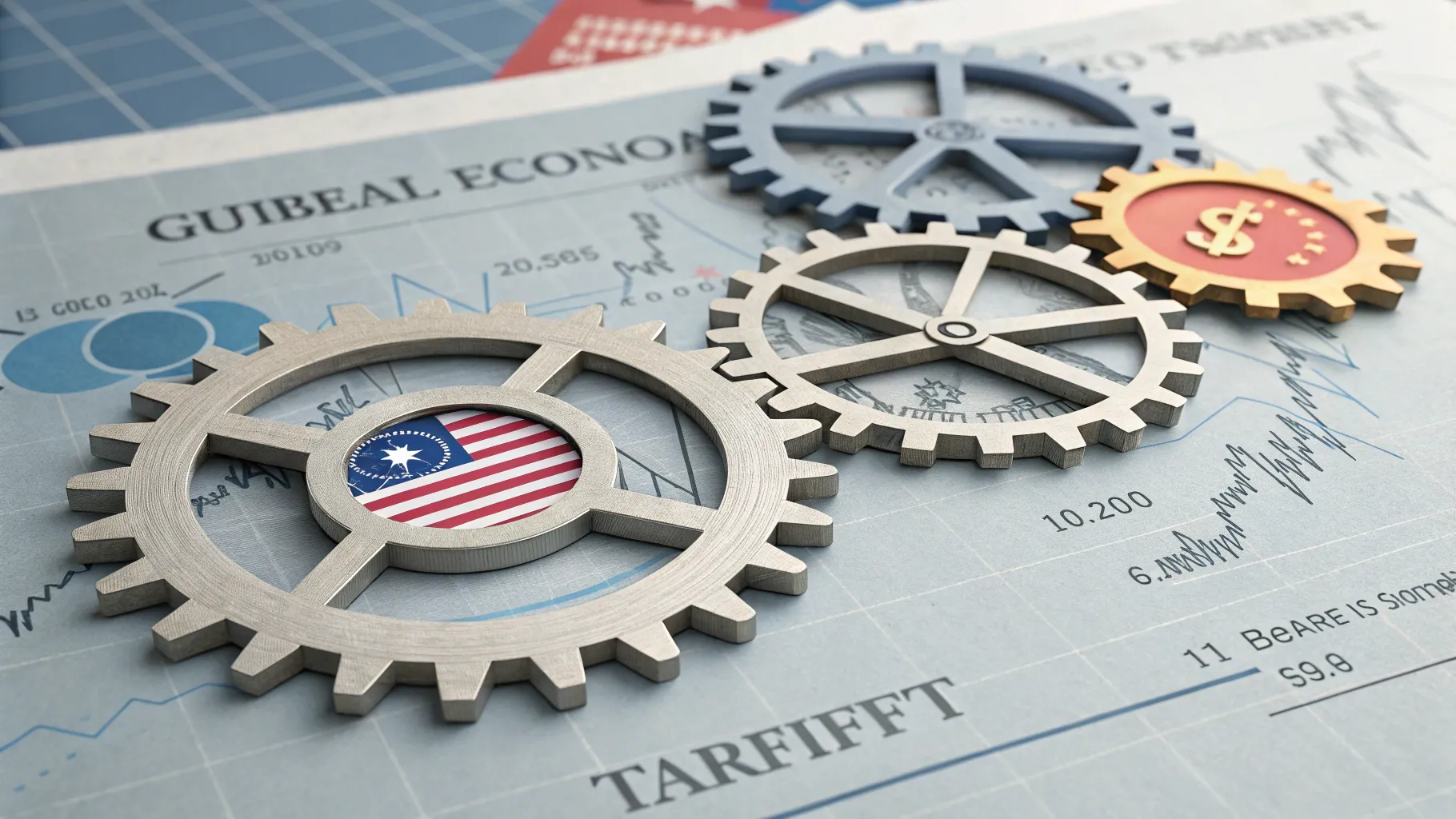
The International Monetary Fund (IMF) stated Tuesday that while higher US tariffs have had less global impact than initially feared, it would be “premature and incorrect” to dismiss their effects on economic growth.
This assessment comes amid ongoing trade tensions and protectionist policies that have characterized international commerce in recent years. The IMF’s statement suggests a measured view of tariff impacts, acknowledging both their limited current effects and potential future risks.
Limited Global Impact So Far
According to the IMF, the tariffs implemented by the United States have not disrupted global economic activity to the extent that many economists and policy analysts had predicted. This finding contradicts some of the more dire forecasts that emerged when major tariff increases were first announced.
The organization did not specify which particular US tariff measures it was referencing, though the statement likely encompasses various trade actions taken in recent years, including those targeting Chinese imports, steel and aluminum from various countries, and other goods.
Warning Against Premature Conclusions
Despite the relatively modest impact observed so far, the IMF explicitly cautioned against dismissing the significance of these trade measures. The organization emphasized that concluding these tariffs have had no effect on economic growth would be both “premature and incorrect.”
This warning suggests the IMF believes the full consequences of higher US tariffs may still be developing or could manifest under different economic conditions. Several factors might explain the limited impact observed to date:
- Companies absorbing tariff costs rather than passing them to consumers
- Supply chain adjustments that mitigate direct effects
- Temporary economic strength masking underlying trade friction
- Delayed impacts that have yet to fully materialize
Long-Term Economic Concerns
The IMF’s statement reflects broader concerns about protectionist trade policies and their potential to undermine global economic integration. While not explicitly stated in this announcement, the organization has consistently advocated for open trade policies and warned about the risks of escalating trade barriers.
Economic research suggests tariffs can reduce efficiency, increase consumer prices, disrupt supply chains, and potentially trigger retaliatory measures from trading partners. These effects may accumulate over time rather than appearing immediately after implementation.
“Premature and incorrect” – the IMF’s choice of words indicates particular concern that policymakers might misinterpret the limited short-term impact as evidence that tariffs are economically harmless, potentially encouraging further protectionist measures.
The IMF’s assessment comes at a time when many countries are weighing trade policy options and considering the appropriate balance between protecting domestic industries and maintaining global economic integration. The organization’s warning suggests continued monitoring of tariff effects remains necessary.
As global economic conditions evolve, the IMF’s statement indicates that the full impact of US tariff policies may still emerge, requiring ongoing assessment by policymakers, businesses, and economic analysts.
Related Articles
- Global economy in 2025: Trump’s tariffs loom
- Hassett Rebukes New York Fed Study
- Billionaires criticize Trump’s tariffs, predict recession

Deanna Ritchie is a managing editor at DevX. She has a degree in English Literature. She has written 2000+ articles on getting out of debt and mastering your finances. She has edited over 60,000 articles in her life. She has a passion for helping writers inspire others through their words. Deanna has also been an editor at Entrepreneur Magazine and ReadWrite.