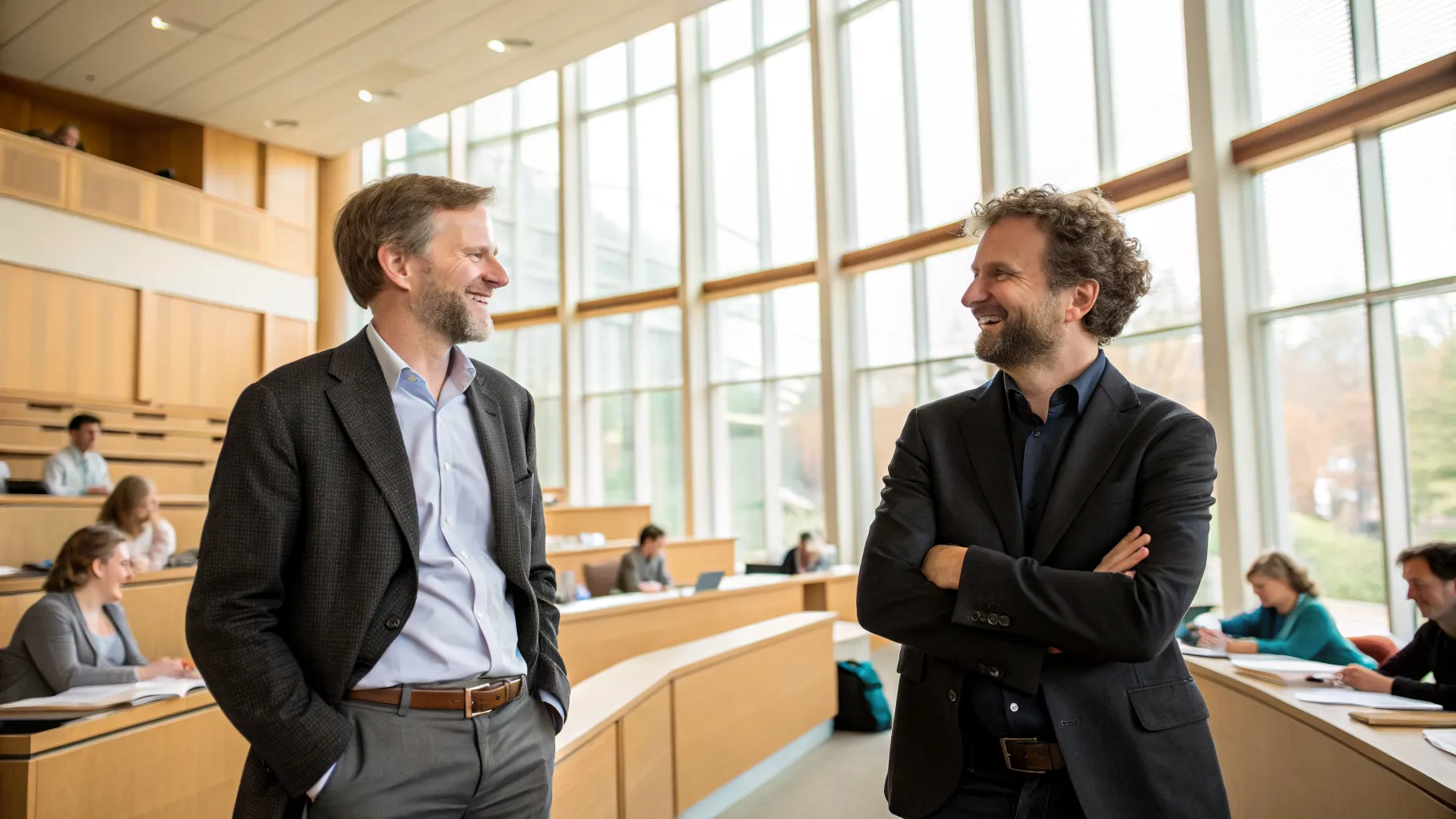
Two MIT associate professors, Jacob Andreas and Brett McGuire, have been selected for the 2026 Harold E. Edgerton Faculty Achievement Award, honoring standout teaching, research, and service at the Institute. The announcement highlights MIT’s ongoing effort to recognize faculty who shape student learning, advance knowledge, and strengthen the campus community.
The award recognizes faculty achievement during the current academic year in Cambridge, Massachusetts. It spotlights work that stretches from the classroom to the lab and into public and campus service. The selection signals how MIT values faculty who balance these roles while mentoring students and contributing to their fields.
Award Announcement
MIT associate professors Jacob Andreas and Brett McGuire have been selected as the winners of the 2026 Harold E. Edgerton Faculty Achievement Award for exceptional contributions to teaching, research, and service at MIT.
The citation places equal weight on three pillars: teaching that inspires, research that advances knowledge, and service that supports the MIT community. Recognizing two associate professors also highlights the strength of MIT’s mid-career faculty cohort.
Why the Edgerton Award Matters
Named for Harold E. “Doc” Edgerton, the MIT engineer and educator known for high-speed photography and inventive teaching, the award is one of the Institute’s notable faculty honors. Edgerton’s legacy blends scientific curiosity with hands-on mentoring. That legacy informs how the award highlights excellence across roles, not just in publications or classroom evaluations.
At research universities, faculty recognition often centers on scholarly output alone. This award stands out by calling attention to teaching craft and institutional service. It validates time spent building courses, advising student groups, launching outreach, or guiding departmental efforts. For students and staff, it encourages a culture where shared work and learning carry weight alongside research breakthroughs.
Teaching, Research, and Service in Focus
Though the award is singular, it typically reflects a mix of outcomes:
- Teaching: course design, mentoring, student engagement, and learning outcomes.
- Research: publications, grants, collaborations, and real-world impact.
- Service: departmental leadership, Institute committees, outreach, and community building.
Balancing these obligations is demanding. Recognizing such balance signals to students and colleagues that classroom rigor and community work matter as much as lab results. It can also shape departmental culture by encouraging team teaching, cross-lab collaboration, and attention to student support.
Implications for MIT and Higher Education
Faculty awards influence hiring, promotion, and retention. When an institution lifts up teaching and service alongside scholarship, it can widen the path for faculty who innovate in the classroom and mentor diverse teams. This approach supports student success and can improve course outcomes, advising quality, and lab culture.
For MIT, the selection of Andreas and McGuire affirms a model where impactful teaching and rigorous research reinforce each other. Such recognition can help attract graduate students and postdocs who seek strong advising and a supportive environment. It can also motivate undergraduates to pursue research early, knowing that their mentors value education as much as discovery.
What to Watch Next
Recognition often catalyzes further collaboration, new course offerings, and student-led projects. Over the next year, students and colleagues may see expanded mentoring networks, refreshed curricula, and broader community engagement linked to the honorees’ work.
Key areas to follow include how award recognition influences cross-department projects, student research opportunities, and teaching innovation grants. The award may also spur interest in partnerships that connect classroom learning with hands-on inquiry and public service.
The 2026 honors for Jacob Andreas and Brett McGuire signal MIT’s commitment to faculty who excel in multiple roles. The message is clear: strong teaching, influential research, and steady service are essential to the Institute’s mission. As the academic year unfolds, the effects of this recognition will likely be seen in classrooms, labs, and campus initiatives that place student learning and community impact at the center.

Senior Software Engineer with a passion for building practical, user-centric applications. He specializes in full-stack development with a strong focus on crafting elegant, performant interfaces and scalable backend solutions. With experience leading teams and delivering robust, end-to-end products, he thrives on solving complex problems through clean and efficient code.