OpenAI has reached a multiyear agreement to use AI server chips from Cerebras, a move designed to cut reliance on Nvidia and rein in soaring compute costs. The deal, valued at more than $20 billion, would give OpenAI access to Cerebras-powered servers and marks one of the largest commitments yet to an alternative AI hardware provider.
The arrangement signals a shift in the race to secure the chips that run large AI models. It comes as demand for advanced processors outstrips supply and expenses for training and serving AI systems keep rising.
Why OpenAI Is Looking Past Nvidia
Nvidia dominates the market for AI training with its GPUs, software stack, and deep relationships with cloud providers. This dominance has driven long wait times and high prices. Companies building large models have sought other options, including custom silicon and new suppliers.
OpenAI’s decision reflects a search for shorter lead times and more predictable access to compute. It also reflects pressure to lower the cost of training and running models used by millions of users and developers.
“OpenAI recently struck an unusual deal to lessen its dependence on Nvidia’s AI chips and potentially lower its computing expenses in the coming years.”
Inside the Cerebras Commitment
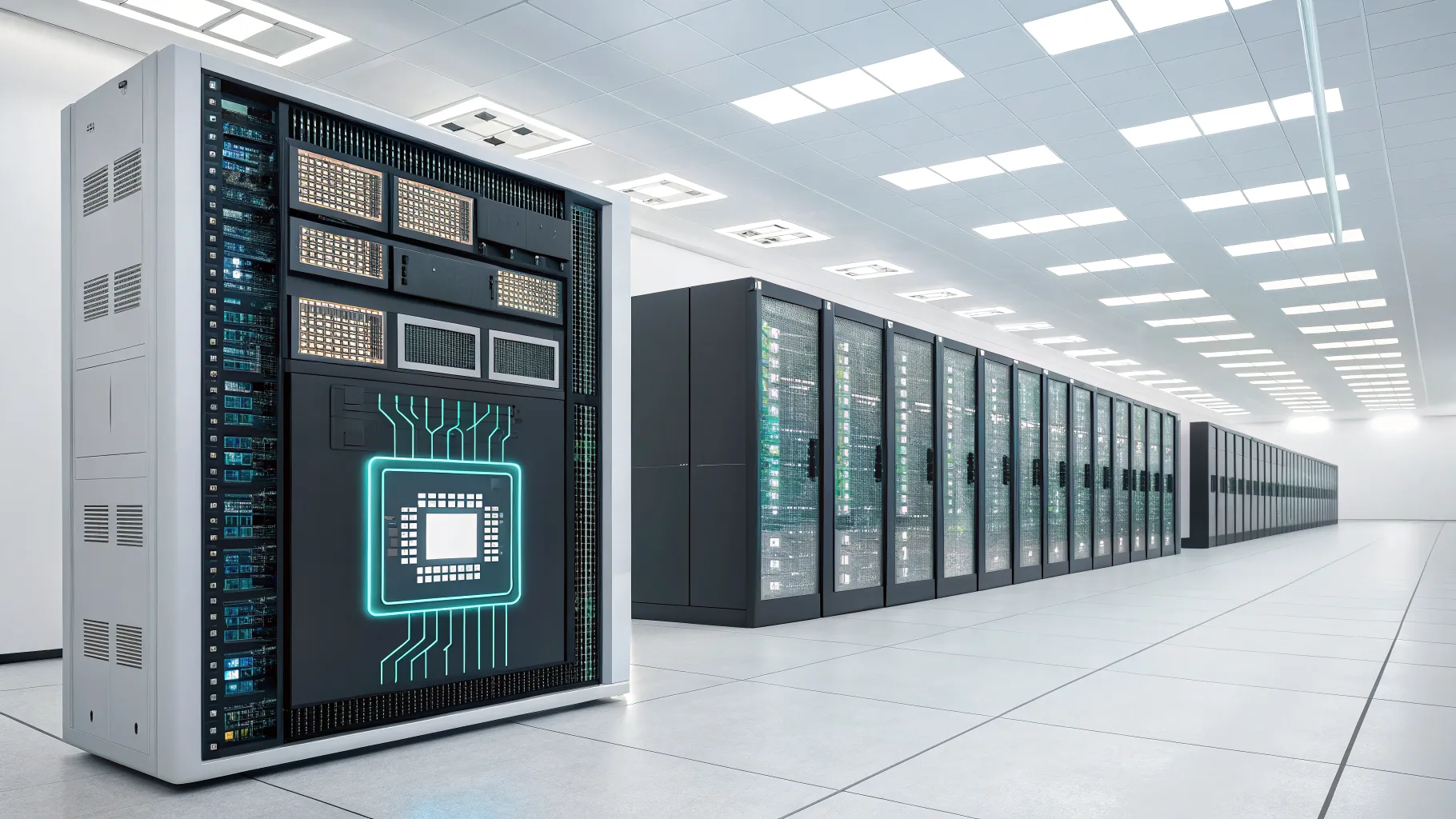
Cerebras builds AI server chips and systems that take a different approach than mainstream GPUs. Its designs pack large compute resources onto single wafers and are paired with memory and networking gear to train and deploy AI models.
While terms were not fully disclosed, the value signals a long planning horizon. It suggests OpenAI expects to train and serve larger models at high volume and wants a stable path for capacity growth.
“OpenAI has agreed to pay chip designer Cerebras more than $20 billion to use servers powered by the firm’s AI server chips.”
Costs, Risks, and Payoffs
The bet could lower total cost of ownership if Cerebras hardware delivers strong performance per watt and per dollar. It could also give OpenAI more leverage when negotiating supply and pricing across vendors.
There are risks. Software compatibility and tooling matter. Most AI workloads today are tuned for Nvidia’s CUDA ecosystem. Shifting at scale requires mature compilers, libraries, and developer support. It also takes time to validate performance on diverse model types and sizes.
- Cost: potential savings from alternative supply and pricing.
- Supply: reduced exposure to single-vendor shortages.
- Technical risk: migration from established GPU toolchains.
Industry Impact and Competitive Pressure
The deal adds pressure on Nvidia’s rivals to prove they can deliver at scale. It may embolden buyers to sign forward contracts for compute, not just buy chips. That could shift more value to integrated systems and long-term capacity reservations.
Cloud providers have been rolling out AI accelerators of their own. Amazon has Trainium and Inferentia. Google has TPUs. Microsoft is introducing the Maia accelerator. OpenAI’s commitment to Cerebras shows that independent chip makers can still win major deals if they meet performance and availability targets.
If the deployment goes well, other AI labs and startups may follow. If it stumbles, it will reinforce Nvidia’s lead and the pull of its software stack.
What to Watch Next
Observers will watch for benchmarks on training throughput, inference latency, and power use. They will also look for signs of smooth integration with popular frameworks and model architectures.
Key signals include the pace of model updates, availability to developers, and unit economics of new AI features. Any clear improvement in cost per token or time-to-train would validate the strategy.
OpenAI’s move is a high-stakes test of an alternative path for AI compute. It aims to secure capacity, contain costs, and reduce dependence on a single supplier. The coming months will show whether Cerebras can deliver at scale and whether others will adopt similar long-term compute deals.

Kirstie a technology news reporter at DevX. She reports on emerging technologies and startups waiting to skyrocket.