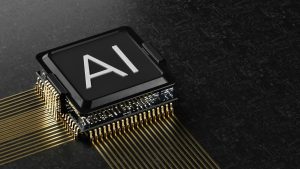
A new investment fund is targeting artificial intelligence, automation, edge computing and data infrastructure, with its financial size still undisclosed. The initiative seeks to improve global connectivity while supporting technologies that can process information faster and closer to users.
The lack of funding details leaves major questions about its reach, investment schedule and geographic priorities. Those answers will help determine whether the fund can support large infrastructure projects or focus mainly on early-stage companies.
Four Technologies Shape the Strategy
The fund is built around technologies that increasingly work together. AI systems require large amounts of data and computing capacity. Automation applies those systems to business and industrial tasks.
Edge computing moves some data processing nearer to devices, factories or customers. This approach can reduce delays and limit the amount of information sent to distant data centers.
Intelligent data infrastructure supports the storage, movement and analysis of information. Its importance has grown as companies deploy AI tools that depend on timely, reliable data.
The fund “aims to advance global connectivity and innovation,” with a focus on “AI, automation, edge computing and intelligent data infrastructure.”
The stated priorities suggest an investment model that links software development with physical computing networks. That mix may include data systems, connected devices and services that manage automated operations.
Funding Size Remains a Key Unknown
No financial target or committed capital has been disclosed. That omission makes it difficult to assess the fund’s likely market impact.
Technology funds can serve very different purposes. Smaller vehicles may back young companies through early financing rounds. Larger funds can support mature businesses, data centers and network projects that require heavy long-term spending.
Several other details also remain unclear:
- The fund’s launch date and investment period
- Its managers, investors and governance structure
- The countries or regions it will prioritize
- The size and stage of planned investments
- Its standards for measuring connectivity gains
Disclosure of these terms would allow companies and investors to judge whether the initiative has enough capital to meet its stated goals. It would also clarify how risk and returns will be managed.
Connectivity Could Shape Investment Decisions
The global focus may direct attention to regions where network access, computing capacity or modern data systems remain limited. However, connectivity projects often face high construction costs, regulation and uneven access to electricity.
AI investment also creates practical demands. Training and operating advanced models can require substantial energy, specialized chips and secure data storage. Edge computing may reduce some network pressure, but it requires distributed hardware and local maintenance.
Supporters may view the fund’s linked strategy as a way to finance related technologies under one plan. An automation company, for example, may depend on edge hardware and a reliable data platform to provide rapid decisions.
A more cautious view centers on execution. Broad investment themes can make it harder to set priorities, especially when no capital figure or investment criteria are available. The fund will need to explain how projects qualify and how it will measure economic or social results.
What Investors and Companies Will Watch
Future disclosures should show whether the fund plans to lead financing rounds, invest alongside other institutions or provide capital directly for infrastructure. Its geographic plan will also indicate what “global connectivity” means in practice.
Governance will be another important issue. Investments involving AI and large data systems can raise concerns about privacy, cybersecurity, energy use and control of sensitive information. Clear review standards could help reduce those risks.
For now, the initiative reflects sustained demand for computing systems that connect AI, automation and data processing. Its ultimate influence will depend on the amount of capital committed and the projects selected.
The next major development will be the release of financial and operating details. Until then, the fund offers a clear technology agenda, but limited evidence about how widely or quickly that agenda can be carried out.

Senior Software Engineer with a passion for building practical, user-centric applications. He specializes in full-stack development with a strong focus on crafting elegant, performant interfaces and scalable backend solutions. With experience leading teams and delivering robust, end-to-end products, he thrives on solving complex problems through clean and efficient code.